
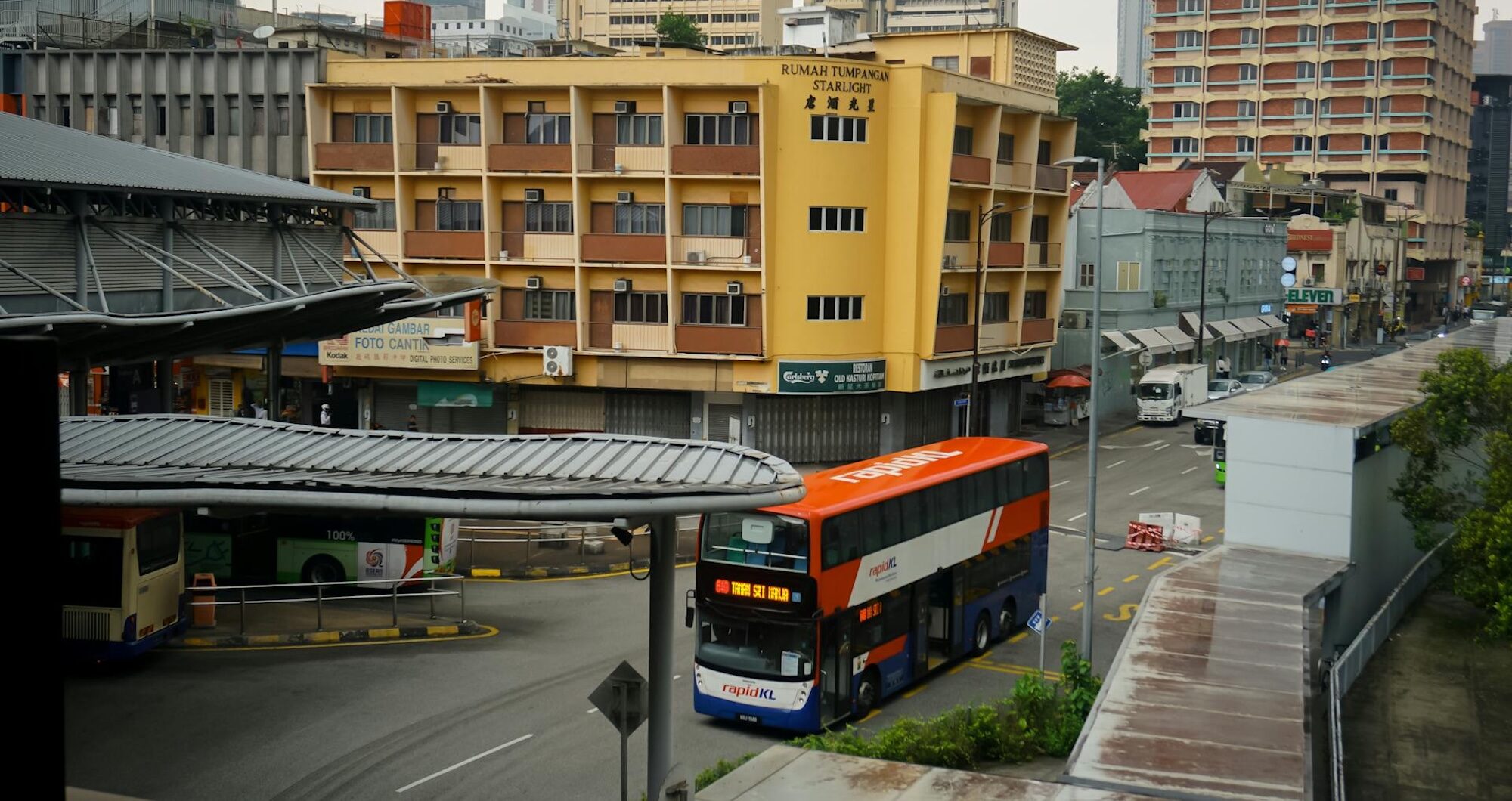

For many travellers, Penang is the culinary heart of Malaysia, a place where heritage buildings meet world-class street food. Kuala Lumpur (KL), conversely, is the pulsing capital, defined by skyscrapers and frantic energy. Connecting these two distinct destinations is a journey that offers more than just transportation; it offers a window into the diverse landscapes of the Malaysian peninsula.
While hopping on a flight might save you an hour or two, taking the bus allows you to witness the gradual transition from island life to metropolitan bustle. The route along the North-South Expressway is surprisingly scenic, comfortable, and incredibly cost-effective. Whether you are a backpacker watching your budget or a luxury traveller seeking a relaxed pace, the road trip south is an experience worth having.
Why should you choose the bus over flying?
Choosing ground transport might seem counterintuitive if you are pressed for time, but the bus offers several distinct advantages over air travel.
First, there is the factor of convenience. Penang International Airport is located in the south of the island, and KLIA is situated roughly an hour outside of Kuala Lumpur’s city centre. When you factor in the travel time to and from airports, security checks, and boarding times, a 55-minute flight easily turns into a four-hour ordeal.
Buses, particularly luxury coaches, drop you closer to the action. Furthermore, the cost difference is significant. A standard bus ticket can cost as little as RM35 (approx. £6), while luxury coaches top out around RM60-RM100 (£10-£17). This makes it accessible for every type of budget.
Finally, there is the comfort. Malaysian long-distance buses are renowned for their quality. We aren’t talking about cramped school buses here; we are talking about “Super VIP” coaches with massive reclining seats, ample legroom, and air conditioning that rivals a refrigerator (more on that later).
How do I book tickets?
Booking your journey has never been easier thanks to digitalisation. While you can still walk up to a counter and purchase a ticket on the spot, booking online is highly recommended, especially during weekends or public holidays like Chinese New Year or Hari Raya.
Reliable platforms such as RedBus and Easybook allow you to compare prices, departure times, and seat configurations. When searching for your penang to kl bus, you will notice two main departure points from Penang:
- Sungai Nibong Bus Terminal: Located on Penang Island. This is the best option if you are staying in Georgetown or Batu Ferringhi.
- Penang Sentral (Butterworth): Located on the mainland. You will need to take the ferry from the island to reach this terminal.
Booking online allows you to select your exact seat, ensuring you aren’t stuck near the onboard toilet or right at the back where the ride can be bumpiest.
Which bus companies are the best?
Not all coaches are created equal. The route is serviced by dozens of operators, ranging from budget-friendly to executive class. Here is a breakdown of what to look for.
Luxury and Executive
If comfort is your priority, Aeroline is the gold standard. Their double-decker buses operate more like business-class flights. They offer meals on board, entertainment screens, and a lounge area on the lower deck. Uniquely, they often depart from and arrive at hotels (like the Corus Hotel in KL) rather than chaotic bus terminals.
Nice and Plusliner are also excellent options, offering “executive” coaches with wide seats (usually a 2+1 configuration, meaning two seats on one side of the aisle and a single seat on the other).
Reliable Standards
For a balance of price and comfort, KKKL Express and Transnasional are reliable stalwarts. They are generally punctual, clean, and safe. The seats are standard VIP size—which in Malaysia means plenty of room to stretch out and sleep.
What is the journey actually like?
The journey typically takes between four and five hours, depending on traffic and the driver’s pace. It begins with one of the scenic highlights: crossing the Penang Bridge. Whether you cross the iconic original bridge or the newer Sultan Abdul Halim Muadzam Shah Bridge, the views of the strait are fantastic.
Once you hit the mainland and merge onto the North-South Expressway (PLUS Highway), the scenery shifts to rolling hills and lush greenery.
The Landscape
For the first few hours, you will pass through the state of Perak. This area is famous for its dramatic limestone karst formations that jut out of the ground, particularly around Ipoh. These towering, jungle-topped cliffs are prehistoric and breathtaking, offering a view you simply cannot get from 30,000 feet.
As you head further south into Selangor, the landscape transforms into vast, uniform plantations of palm oil and rubber trees—a testament to Malaysia’s agricultural economy.
The Pit Stops
Malaysian bus drivers are required to take breaks, and you will likely stop at an R&R (Rest and Service Area) about halfway through. These aren’t your typical grim motorway service stations. Malaysian R&Rs are often bustling food courts selling fresh fruit (guava and mango are popular), hot meals like Nasi Lemak, and local snacks. It is a great chance to stretch your legs and grab a quick bite.
What should you expect and pack?
To ensure your trip is as smooth as possible, there are a few practicalities to keep in mind.
Prepare for the Arctic: The air conditioning on Malaysian buses is notoriously powerful. It does not matter if it is 32°C outside; inside the bus, it can feel like winter. Bring a hoodie, a scarf, or even a small blanket.
Entertainment: While some buses offer WiFi, it can be spotty. Download your podcasts, playlists, or Netflix episodes beforehand. A power bank is also essential, though many modern buses now include USB charging ports at every seat.
Timing: Traffic entering Kuala Lumpur can be heavy, especially during rush hour (5:00 PM to 7:00 PM) or Friday afternoons. If you have a connecting flight or a strict dinner reservation, factor in an extra hour of buffer time.
Where do I arrive in Kuala Lumpur?
Most long-distance buses from the north will arrive at Terminal Bersepadu Selatan (TBS).
TBS is a state-of-the-art transportation hub that looks and feels more like an airport than a bus station. It is clean, organised, and fully air-conditioned.
From TBS, getting to the city centre is seamless. The terminal is integrated with the Bandar Tasik Selatan station, offering connections via:
- KLIA Transit: The fastest way to KL Sentral.
- LRT (Light Rail Transit): A cheaper option that connects to various parts of the city.
- KTM Komuter: Connects to Mid Valley and other suburbs.
Some specific bus companies may drop passengers off at Hentian Duta or strictly at KL Sentral, so always check your ticket details carefully.
Start your adventure on the road
Taking the bus from Penang to Kuala Lumpur is more than just a logistical necessity; it is a chance to slow down and see the country. You save money, travel in comfort, and arrive in the capital refreshed and ready to explore.
Next time you are planning your Malaysian itinerary, skip the airport queue. Book a seat by the window, bring a warm jumper, and enjoy the ride down the peninsula.
Feature Image by Haiqal Hadi from pexels







