
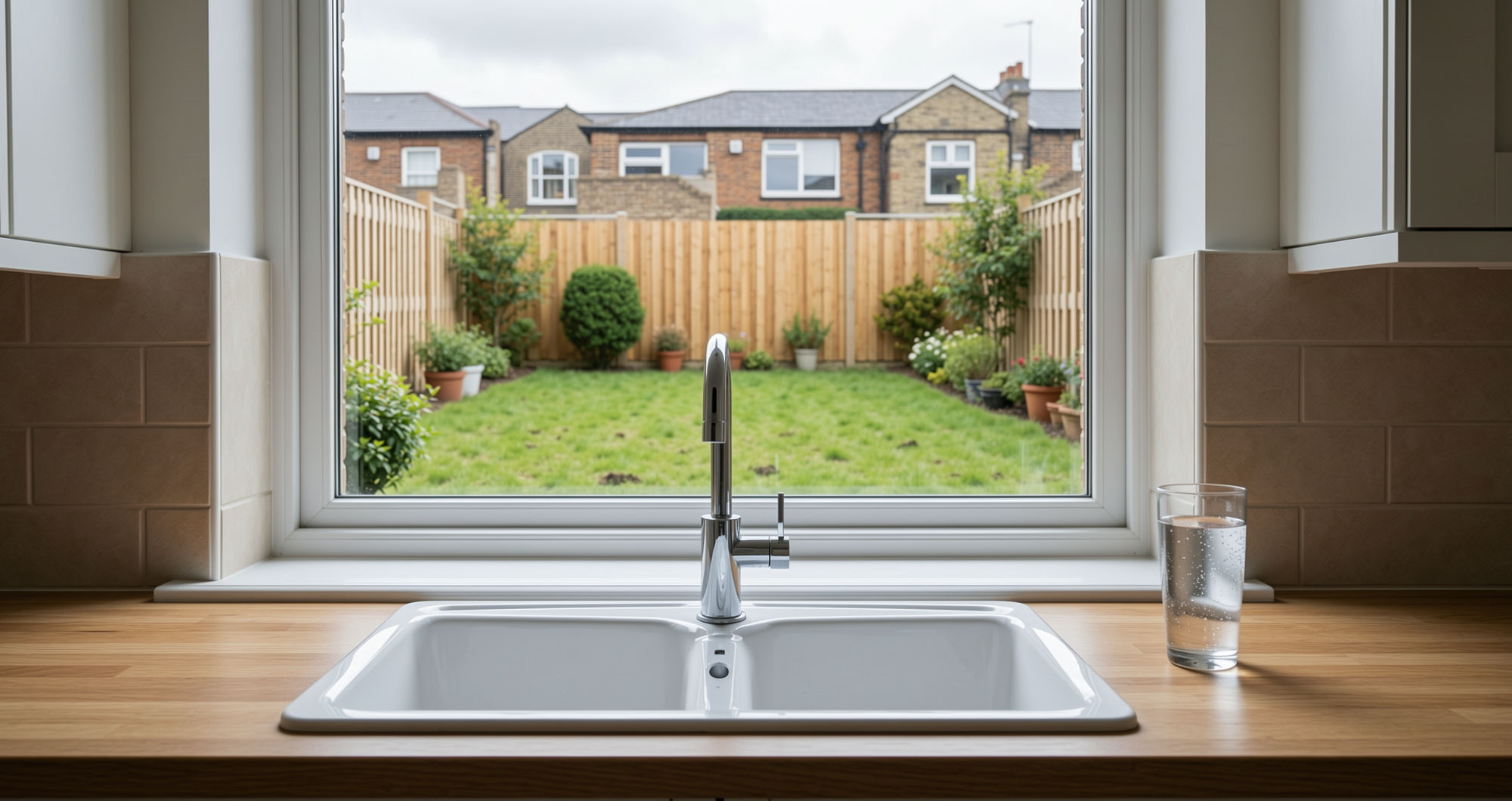

Are you worried about the quality of London Tap Water? Recent reports and TV documentaries about the UK water companies have made interesting reading.
Living in a world-class city, we rarely stop to think about what comes out of our taps. We turn them on, fill the kettle, and go about our day. But if you live in London, you might have noticed a few tell-tale signs that your water isn’t as pristine as it could be: the chalky white residue in your kettle, the faint chlorine smell when you run the hot tap, or that slightly “off” taste in your morning cuppa. This is the reality of hard water, and for the health-conscious London homeowner, a water filter is no longer a luxury—it’s a necessity.
The London Water Conundrum
First, the good news: the UK has some of the safest tap water in the world, with 99.97% of tests meeting strict legal safety standards. You don’t need to worry about harmful bacteria making you immediately ill. However, safety and taste are two very different things. To get that water to your tap safely, water companies add chlorine to kill bacteria. While effective, this leaves a lingering taste and smell that can ruin a glass of water or a fine cup of tea.
Furthermore, because London sits on a chalk basin, our water is naturally “hard.” As rainwater filters through the ground, it picks up minerals like calcium and magnesium. While these aren’t harmful to drink, they are responsible for the limescale that furrs up your kettle, clogs your showerhead, and can even shorten the lifespan of your boiler and washing machine. Beyond the taste and scale, there are growing concerns about invisible nasties. If you live in an older property—common across the capital—your water might be passing through ageing pipes, potentially picking up traces of lead, copper, or microplastics before it reaches your glass.
The Filter Revolution: From Jug to Tap
Thankfully, solving these issues is easier than ever, thanks to a boom in filtration technology. Gone are the days when your only option was a bulky plastic jug taking up valuable fridge space. Today’s solutions are sleeker, more efficient, and designed for the modern London kitchen.
The most popular upgrade for homeowners is the under-sink water filter. Installed discreetly out of sight, it connects directly to your cold water line and delivers purified water through a dedicated tap at your sink. The benefits are immediate: you get unlimited, great-tasting water on demand without waiting for a jug to refill. These systems are particularly effective at removing chlorine, sediment, and heavy metals, making them a perfect fit for London families who want convenience without cluttering their countertops.
For those seeking the absolute pinnacle of purity, Reverse Osmosis (RO) systems are the gold standard. These use a multi-stage process, including a semi-permeable membrane, to remove up to 99% of contaminants—think pesticides, nitrates, fluoride, and even ‘forever chemicals’ known as PFAS. While slightly more of an investment, the water they produce is often purer than bottled water, providing ultimate peace of mind for health-conscious households.
If you’re a renter or not ready for a plumbed-in solution, modern countertop and tap-attached filters have had a major glow-up. Brands like Tappwater offer compact units that screw directly onto your existing tap, removing over 100 contaminants while retaining healthy minerals like magnesium and calcium, which are great for bone health. They are incredibly easy to install—no DIY skills required—and offer a fantastic entry point into the world of filtered water.
Taste the Difference, See the Savings
Why make the switch? The first thing you’ll notice is the taste. In a blind taste test conducted by one reviewer, the filtered water was chosen for having “no smell” and feeling “cleaner in the mouth,” while the tap water was noted for its chemical taste. Your tea and coffee will taste better, and you might even find yourself drinking more water throughout the day.
Then there’s the financial and environmental impact. Think about how much you spend on bottled water. A family of two drinking 1.5 litres a day could be spending over £670 a year on premium bottled water. A filtration system pays for itself in months and saves you from lugging heavy plastic bottles home from the supermarket. By ditching single-use plastic, you’re also doing your bit for the planet, helping to reduce the 7.7 billion plastic bottles used in the UK each year.
Is It Time for an Upgrade?
So, how do you know if you need a filter? If you’re scrubbing limescale off your kettle every week, if your tap water has a noticeable chlorine taste, or if you simply want the cleanest, healthiest hydration for your family, the answer is yes.
The right system for you depends on your home and habits. For a permanent, high-capacity solution, an under-sink filter or RO system installed by a certified professional is a wise investment in your property and your health. If you want to test the waters (literally) with minimal fuss, a tap-mounted filter is a brilliant place to start. Whichever you choose, you’ll be joining a growing movement of Londoners who are taking control of what comes out of their tap—and enjoying every drop.







