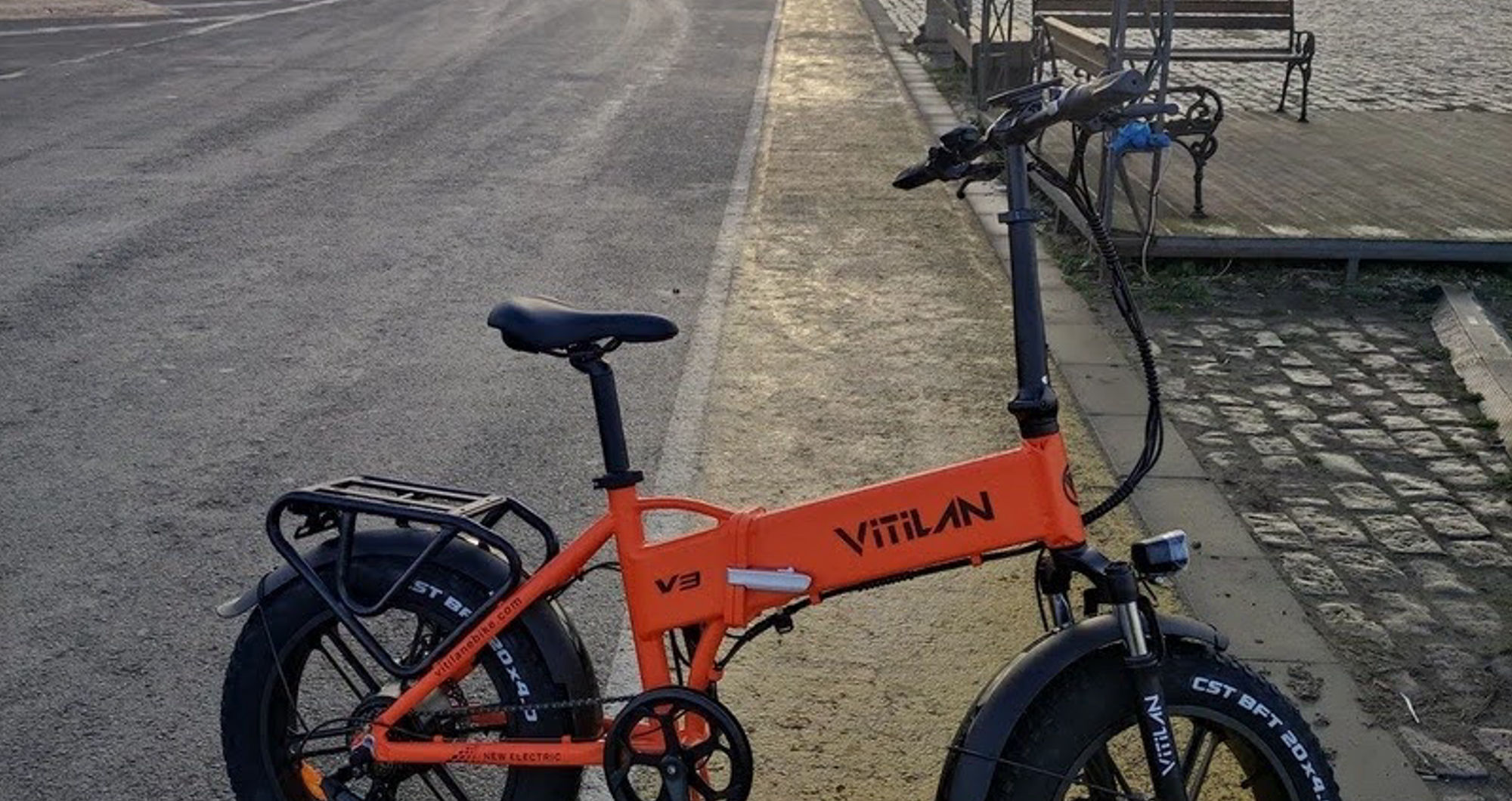

For London residents considering buying an electric bike, choosing the right model is only the first step. Once you start using it, there are several practical questions to consider: where to charge the battery, where to park the bike, how to protect it from theft, and how easy it will be to maintain. These considerations can be even more important for people living in flats, without private garages or with limited storage space.
An electric bike can offer greater flexibility for everyday journeys, but owning one also comes with certain responsibilities. From choosing the right model to developing good maintenance habits, thinking about these practical details beforehand can help avoid unnecessary problems later.
Before Buying an Electric Bike, Consider Your Everyday Riding Needs
When shopping for an electric bike, many people initially focus on price, battery capacity and advertised range. However, these specifications alone do not determine whether a particular model is suitable for them. A more sensible approach is to start by considering how the bike will actually be used.
For example, someone who regularly commutes to work may place greater importance on battery range, riding comfort and maintenance costs. Someone who mainly rides at weekends may be more interested in tyre specifications, riding position and the bike’s ability to handle different surfaces.
Before making a decision, consider a few practical questions:
- How far will you need to travel on a typical round trip?
- Will your regular route consist mainly of smooth urban roads, or include hills and uneven surfaces?
- Will you regularly carry a backpack or other belongings?
- Do you have enough space at home to store the entire bike?
- Would a removable battery make indoor charging more convenient?
These questions can help narrow down the available choices. When comparing different models, it is worth exploring various electric bike options and then considering your actual routes, frame design and battery configuration, rather than simply looking for the longest advertised range or the greatest number of features.
Battery Charging and Storage Should Be Planned with Safety in Mind
Battery management is an important responsibility for electric bike owners, particularly in flats and homes where storage space is limited.
The London Fire Brigade has warned that London experiences an average of one fire involving a lithium-ion battery in an electric bike or electric scooter every two days. These incidents highlight why correct battery use and charging practices are more important than simply focusing on battery capacity.
There are several basic precautions worth following:
- Use the correct charger: Always use the charger supplied or approved by the manufacturer. Avoid using charging equipment that is not designed for your battery.
- Choose a safe charging location: Charge the battery on a firm, flat surface, away from combustible materials and property exits.
- Avoid unattended charging: Do not charge the battery while sleeping or away from home. Disconnect the charger once charging is complete.
- Watch for unusual signs: If the battery becomes unusually hot, swells, leaks, develops an unusual smell or makes unexpected noises, stop using it and contact the manufacturer or retailer.
- Store the battery appropriately: Avoid leaving it for extended periods in extremely hot, cold or damp conditions.
With models that feature removable batteries, owners can take the battery off the frame and charge it separately in a suitable location. This can be useful when bringing the entire bicycle indoors is inconvenient. However, a removable design does not eliminate the need for proper charging precautions. Batteries should always be handled according to the manufacturer’s instructions.
When storing a bike in a block of flats, owners should also consider the building’s fire safety requirements. Communal corridors, stairwells and other escape routes should never be obstructed by bicycles or charging equipment.
How Can You Reduce the Risk of Electric Bike Theft in an Urban Environment?
For private electric bike owners, parking and security are practical concerns that need to be considered as part of everyday ownership.
Unlike shared electric bikes, privately owned models require the owner to arrange their own parking and security measures. Leaving a bike in a public place for extended periods without adequate protection can increase the risk of theft.
A few straightforward precautions can help:
Choose your parking location carefully
Where possible, use well-lit areas with regular foot traffic and designated cycle parking facilities.
Invest in a reliable bike lock
Secure the frame to a fixed, immovable object. Where practical, securing the wheels as well can make the bike more difficult to remove or dismantle.
Keep a record of your bike
Retain your purchase receipt, order confirmation, frame serial number and photographs of the bicycle. These details can be useful when reporting a theft to the police or making an insurance claim.
Plan where you will store the bike long-term
If you need to leave your bike in the same location every day, check whether private bicycles are permitted there and whether suitable security measures are available.
For people living in flats, it is also worth checking the building management’s rules on bicycle storage and battery charging. Sorting out these arrangements before purchasing a bike is usually more practical than trying to find somewhere suitable afterwards.
Folding Designs Can Make Storage Easier, but They Do Not Always Mean a Lighter Bike
For people living in homes with limited storage space, a folding electric bike offers another way to manage bicycle storage.
Compared with a conventional fixed-frame model, a folding design changes the amount of space the bike occupies when stored. In suitable circumstances, owners can fold the bike and place it in a storage area at home or, provided the dimensions and transport requirements allow, in a car boot.
However, there are some limitations that are easy to overlook.
First, a folded bike can still take up a considerable amount of space. Models equipped with wide tyres, larger batteries and suspension systems may not fit comfortably into every flat or storage area.
Secondly, folding does not automatically mean lightweight. Some folding electric bikes remain relatively heavy, making them less convenient for people who need to carry them up and down stairs every day.
Before buying, it is worth checking:
- The actual dimensions of the bike before and after folding.
- Its overall weight and whether the battery can be removed separately.
- Whether the folding mechanism is easy to operate and secure.
- Whether the folded bike will fit into your available storage space.
- Whether it can fit into the boot of the car you intend to use.
When comparing different folding electric bike models, consumers should look beyond the folding mechanism itself. Overall weight, tyre size and practical storage requirements should all be taken into account.
How Can a Folding Frame and Removable Battery Offer More Flexible Everyday Use?
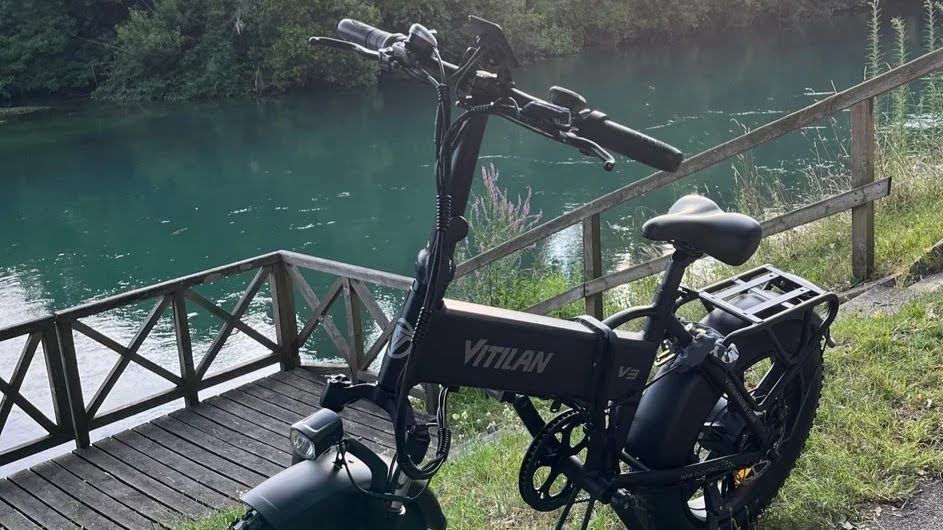
For an example of how folding construction, wide tyres and a removable battery can be combined in one bicycle, the VITILAN V3 2.0 provides a useful product reference.
The European-market version features a 20 × 4-inch fat-tyre configuration and a folding frame, together with a removable 48V 13Ah battery. This allows owners to remove the battery from the frame and charge it separately according to their available charging arrangements. A Shimano 7-speed gearing system and hydraulic disc brakes are also part of its specification.
For consumers who need to consider home storage and battery management, these design features are worth looking at. However, the combination of wide tyres and a folding frame does not necessarily make the bike easy to carry. Buyers should still check its folded dimensions, overall weight and available storage space before making a decision.
More information about the brand and its product range is available from VITILAN.
Everyday Maintenance Should Not Wait Until Something Goes Wrong
Maintaining an electric bike does not necessarily involve complicated work, but regular checks can help owners identify potential problems before they become more serious.
For example, underinflated tyres increase rolling resistance, while worn brake pads can affect braking performance. These checks are particularly important for people who regularly ride on different types of road surfaces.
It is worth developing a simple inspection routine:
- Tyres: Check tyre pressure, tread wear and any visible damage.
- Brakes: Pay attention to braking distance, lever feel and brake pad condition.
- Chain and gears: Keep the chain clean and check that the gears shift smoothly.
- Lights: Make sure the front light, rear light and other necessary lighting equipment work properly.
- Folding mechanism: Regularly inspect hinges, locking mechanisms and connection points.
- Battery: Check for visible damage or unusual changes and follow the manufacturer’s charging and storage instructions.
If you notice abnormal braking, loose frame connections or signs of battery damage, do not continue riding without having the issue checked.
What Should You Check About Electric Bike Regulations Before Buying in the UK?
Consumers buying an electric bike in the UK should also understand the basic requirements for an Electrically Assisted Pedal Cycle (EAPC).
Under current UK regulations, a standard EAPC must meet the following conditions:
- It must have pedals that can be used to propel the bicycle.
- The motor must have a maximum continuous rated power output of no more than 250W.
- Electrical assistance must be cut off when the bike reaches 15.5 mph (25 km/h).
Bikes that meet the EAPC requirements can be used in the same way as conventional bicycles and do not require motor vehicle registration, road tax or motor insurance.
It is also important to understand that certain bikes with throttle assistance are subject to additional type-approval requirements. A bike should not be assumed to meet the UK’s standard EAPC requirements simply because its default speed setting is 25 km/h.
If a vehicle does not meet the EAPC requirements, it may be classified as a motor vehicle or moped and could be subject to different registration, insurance, licensing and vehicle approval requirements.
Before purchasing, consumers should therefore check the specifications of the exact version being sold, its vehicle classification and the regulations that apply. This is particularly important when comparing products intended for different markets, as European-market product information should not automatically be treated as proof of compliance with UK road-use requirements.
Choosing an Electric Bike Means Thinking Beyond the Purchase
An electric bike that suits your needs should do more than cover your regular riding distance or match the road conditions you encounter. It should also fit into the practical realities of everyday life.
From battery charging and theft prevention to home storage and routine maintenance, these considerations all influence the long-term ownership experience.
For London residents, the most sensible purchasing decision is not necessarily to choose the model with the most features or the highest advertised range. It is to find an electric bike that meets everyday travel needs while remaining practical to manage, store and maintain.