
Varicose veins are a common condition that affects millions of people and can lead to discomfort and complications if left untreated. At Metro Vein Centres, we understand how these veins impact daily life and overall well-being. As we navigate our routines, it’s essential to know what varicose veins are, their causes, and the best ways to manage them effectively. This guide provides practical tips and insights from experts to help us improve circulation, alleviate discomfort, and enjoy healthier, more comfortable legs.
Understanding Varicose Veins
What Are Varicose Veins?
Varicose veins are twisted, enlarged veins, often appearing blue or dark purple, typically found in the legs. These veins occur when the valves within the veins fail to function properly, leading to a pooling of blood and an increase in pressure within the veins.
Common Causes of Varicose Veins
Several factors can contribute to the development of varicose veins:
- Genetics: A family history of varicose veins increases our risk.
- Age: As we age, our veins can lose elasticity, making them more prone to enlargement.
- Pregnancy: The increase in blood volume and hormonal changes during pregnancy can cause veins to become engorged.
- Obesity: Extra body weight puts increased pressure on our veins.
- Standing or Sitting for Long Periods: Occupations that require prolonged periods in one position can hinder proper blood circulation.
Symptoms and Complications
Recognising the symptoms of varicose veins is crucial for timely management. Common symptoms can include:
- Swelling in the legs
- Aching or heavy legs
- Discomfort after standing for long periods
- Skin changes near the varicose veins (e.g., discolouration)
Complications can arise if we neglect our varicose veins. These may include:
- Ulcers: Open sores may develop on the skin due to poor circulation.
- Blood Clots: Increased risk of superficial vein thrombosis, which can be painful.
- Bleeding: Varicose veins may bleed due to trauma or pressure.
Effective Management Strategies
Managing varicose veins involves a holistic approach that combines lifestyle changes, physical activity, and nutrition to improve circulation.
Lifestyle Changes for Better Circulation
To enhance our circulation and reduce symptoms, we might consider:
- Wearing Compression Stockings: These improve blood flow and alleviate discomfort.
- Maintaining a Healthy Weight: Reducing pressure on our veins can provide significant relief.
- Elevating Our Legs: Elevating our legs several times a day can help reduce swelling.
Exercise and Physical Activity
Regular physical activity is vital for improving circulation. Some beneficial exercises include:
- Walking: It’s low-impact and boosts circulation.
- Leg Raises: When lying down, lifting our legs can help encourage blood flow.
- Cycling: Stationary biking is also beneficial for circulation without stressing the legs.
Diet and Nutrition Tips
What we eat can significantly influence our vein health. It’s essential to focus on a balanced diet rich in:
- Fibre: To prevent constipation, which can worsen varicose veins.
- Flavonoids: Present in fruits and vegetables, these can help improve blood circulation.
- Hydration: Keeping well-hydrated supports overall vascular health.
Home Remedies and Natural Treatments
We can also explore various home remedies:
- Apple Cider Vinegar: Diluted, it may help reduce swelling and discomfort.
- Ginger Tea: Known for its anti-inflammatory properties, it can support circulation.
If our varicose veins are severe or causing significant discomfort, we may need to consult a healthcare professional for medical treatment options. Common procedures include:
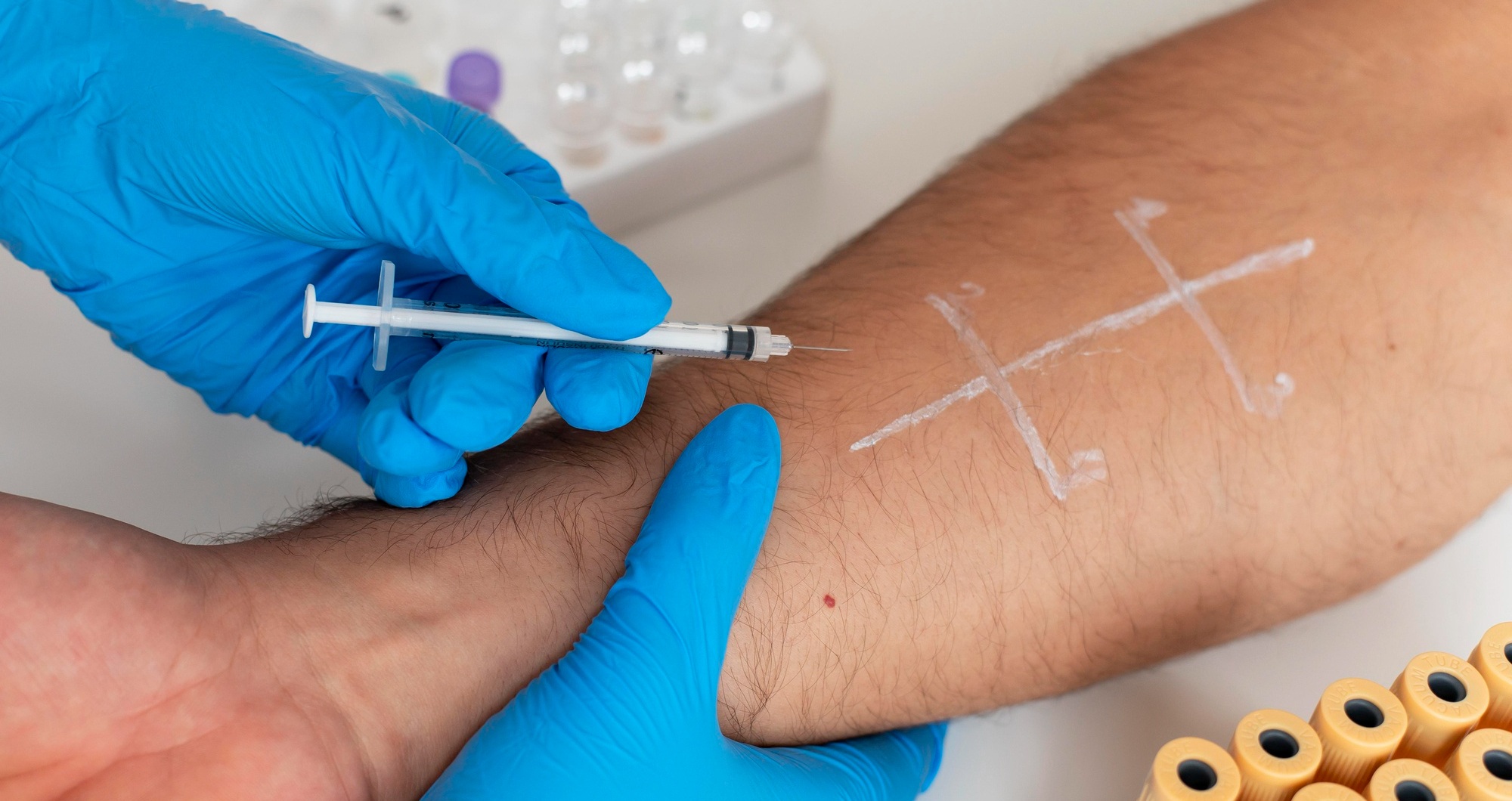
- Sclerotherapy: A solution is injected into the vein, causing it to collapse and fade.
- Endovenous Laser Treatment (EVLT): This uses laser energy to seal off varicose veins.
- Vein removal: Surgical removal of the problematic veins might be recommended in severe cases.
Understanding these treatments can help us make informed decisions in partnership with our healthcare provider.
When to Seek Professional Help
It’s essential to know when to seek help for our varicose veins. We should consult a healthcare professional if:
- We experience severe pain or swelling
- We notice any changes in skin colour or open sores
- Is there any indication of a blood clot (symptoms like warmth or redness)
Early intervention can prevent complications and improve our overall health.
Conclusion
Managing varicose veins requires a proactive approach that combines lifestyle changes, regular physical activity, and a healthy diet. By being aware of symptoms and taking early action, we can significantly improve our circulation and our quality of life. Remember, when in doubt, seeking professional advice is always a wise step toward better health.