
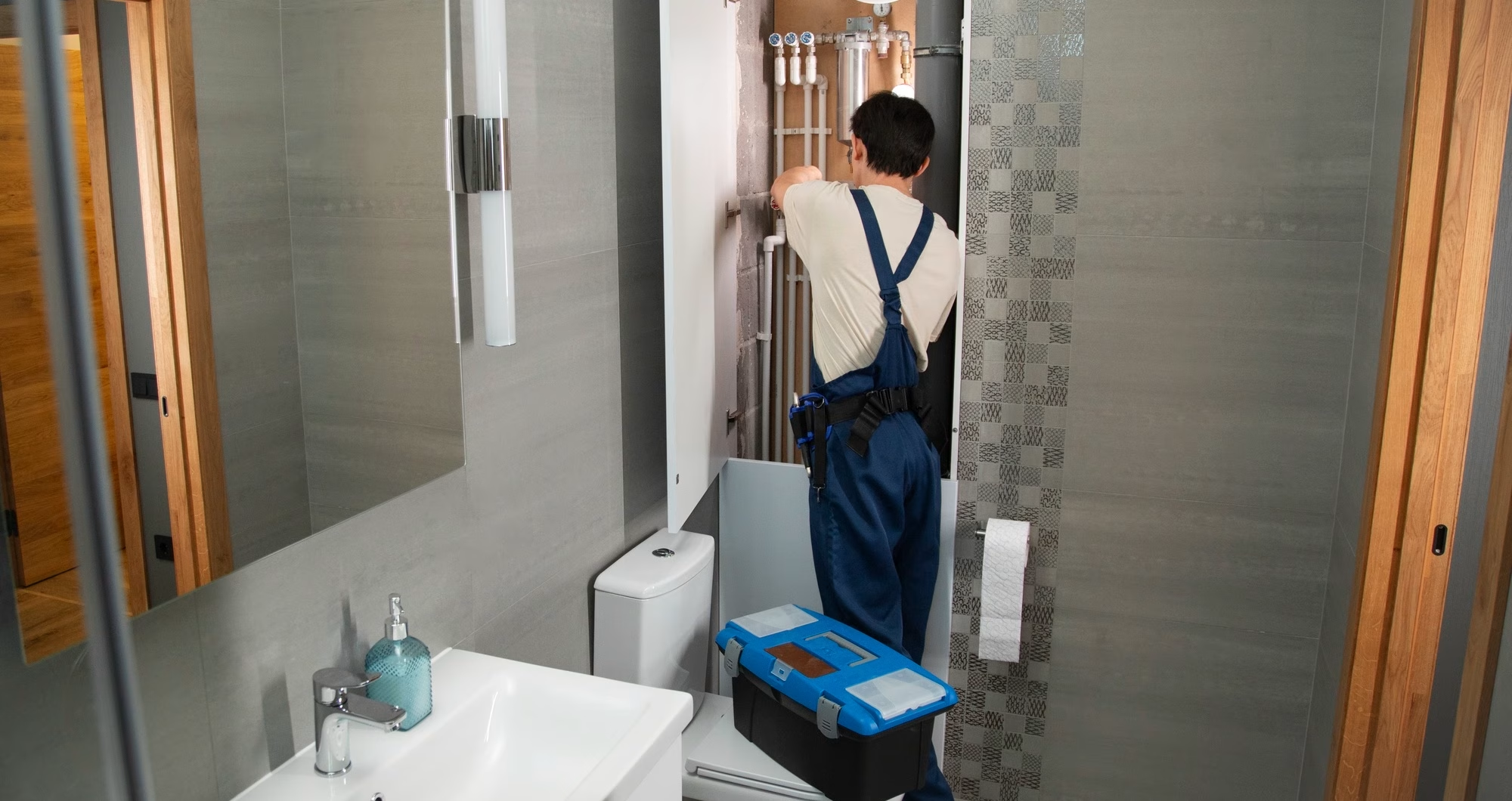

Is your toilet not flushing properly? Are you facing a blocked toilet problem? You need to hire a professional for toilet repair from Plumber Sydney. It is almost impossible to clean the toilet bowl or unblock the clogged drains without effective plumbing services. However, before hiring a toilet plumber, you need to be aware of the reasons that can cause this type of plumbing issue. With this approach, you will be well aware of what type of task you are hiring licensed plumbers for our company.
In this blog, we have listed all those common reasons that we have found prominent in such toilet problems. Our experienced emergency plumbers have listed all those causes that can create toilet blockages, impact sewer lines, or create any other issue. So, it is recommended to read this blog about toilet system repair and blockage till the end for better understanding.
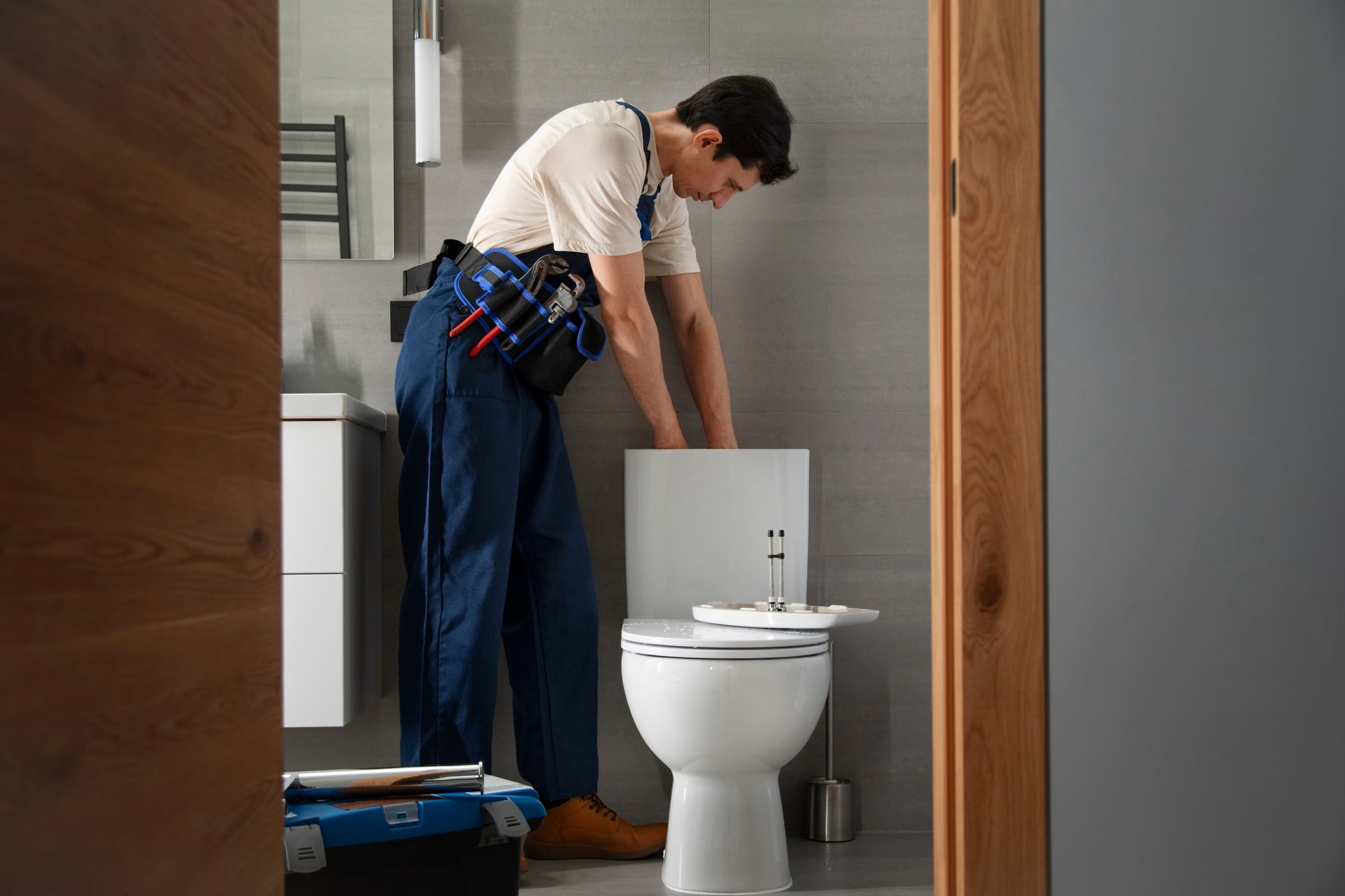
Common Causes of a Toilet Not Flushing Properly
Let us share some of the prominent causes that create the toilet not flushing problem.
Narrow Pipe Size
Narrow-sized pipe usage is the most common cause of toilet blockages. It is because these pipes won’t allow the flushable products to move inside the pipe to find their way to the main sewer lines. Keep in mind that the standard size of a drain pipe is 100mm. Sometimes, you may have installed pipes with narrow sizes as compared to standard ones. In this regard, it can create a blockage in the pipes often which won’t let your toilet flush properly again until the blockage is removed.
The small-sized pipes can trap the waste materials and water, which creates a bulge that can be removed only through effective methods like high-pressure water jetting. You can identify this problem from foul odours, overflow from the toilet bowl, and related signals. Whenever you are facing this type of problem, you must connect with Plumber Sydney for emergency plumbing services. With this approach, you can deal with toilet repair issues even at a small level and remove them without facing costly solutions.
Leakage in Tank or Pipe
Another cause behind a blocked toilet is the leakage in your toilet tank or pipe. To get familiar with this cause, you first need to understand the working of a toilet when you are flushing it. When a person like you uses a toilet and flushes it, the water pump will release the water at a specific pressure to push it inside the drainage. If the water level or pressure isn’t enough in the toilet suite, it won’t be able to flush properly and cause many plumbing issues, including a blocked toilet.
It doesn’t matter if the leakage is in toilet seats or pipes; it will impact the overall flushing process. Undoubtedly, you will be able to push the flush button easily, but the problem will be with the pressure of the water released. You must need to understand that leakage doesn’t always demand replacement of the toilet seat or even to focus on pipe relining. But it means that you have to get some professional plumbers to find the leakage and resolve it.
While repairing it, you can also ask them for drain inspection and offer additional services like drain cleaning, if there is any blockage in it.
Damaged Tank
When it comes to a toilet tank, leakage can’t be the only problem that can cause toilet blockage and improper functioning. But you may also get some other damages to the toilet tank. For example, the toilet may not have been installed properly or displaced from its position. This problem may not be from your end, but it will impact the flushing process.
Keep in mind that there can be many issues related to this, like a broken fill valve, a damaged toilet tank during bathroom renovation, or a malfunctioning toilet pan. Therefore, it is suggested to get professional installation services from hand-picked plumbers to let them inspect the problem and resolve it.
Disconnection in Toilet Parts
To understand this reason, you must consider understanding the components of a toilet. A toilet isn’t only made of a toilet seat and flush button, but it also has many other components like inlet valve, flapper valve, flush pipe, and flush valve. All these components work in collaboration to complete the working mechanism of the toilet and avoid issues like waterflow or the toilet not flushing.
However, if any of these components are disconnected, detached, or broken, your toilet may show different plumbing issues like blockages. In simple words, it is right to say that a faulty connection or disconnection between components can lead you to various plumbing issues. The problem is that this issue can’t be identified using devices like CCTV cameras and resolved like high-pressure jetting.
Drain Line Issues
Normally, we consider basic causes like malfunctioning of the toilet tank or inappropriate fitting causes of the toilet not flushing. But the main drain line can also be a reason behind this plumbing problem. It might be possible that there is a blockage in the drain line that is creating issues related to flushing as well as water overflowing.
While living in regions like Sydney, it is common to get tree roots intrusion in the drain lines, which creates a blockage. It can also be created with other causes like flushable wipes, hair strands, and paper towels. However, the result may be similar, that is blocked toilet or a toilet not flushing. In this regard, you need to hire a professional with modern solutions like high-pressure water jetters, electronic drain machines, and CCTV locating devices.
Low Water Pressure
If we say that you must consider checking water pressure in case of toilet does not flush, it will be right. The reason is that insufficient pressure won’t let your toilet flush properly and create multiple issues like foul smell and even blockages. It might be possible that the water pump your toilet is using is faulty, which is unable to create enough pressure for proper flushing.
Keep in mind that if the water isn’t filling with appropriate pressure, it will never be able to flush the debris properly. Therefore, you must consider performing deep inspection of your toilet components, water pressure devices, and other parts to ensure that water pressure is suitable for your toilet flushing.
DIY Solutions to Fix the Issue
As mentioned earlier, there are many factors that can create toilet blockage or non-flushing issues. It is good to try some DIY methods before asking a professional to come and serve you with toilet plumbing services. You must consider checking the following sections, where we have listed a few effective methods that you can try on your own for removing this problem from your toilet.
Check the Fill Valve Assembly
First of all, you must inspect the assembly of the fill valve of your toilet and ensure that it is perfect in shape and fixed properly. It is because this valve controls the water flow in your toilet, which is responsible for flushing waste. If you have found it worn out or any other damage, it is good to get it repaired or replaced according to the situation.
To get the task done, you must remove the tank lid first and analyse the water fill cycle. If water is unable to reach the recommended level, it is strongly recommended to analyse the float mechanism through a small device attached with a fill valve. It will indicate the water level details and control it too.
You must consider adjusting it first and check the water fill cycle again. If it doesn’t work for you, it means that the fill valve has some mechanical problem that needs to be solved at the earliest. You can consider replacing the valve or ask a professional to do this job after a complete analysis of the condition and suggest the best solution.
Inspect the Inlet Holes
As you know that water from the toilet cistern flows into the bowl for flushing, you must be aware of inlet holes. These holes are also called rim holes, which are tiny openings under the rim of the toilet bowl. The main purpose of these openings is to release water for flushing whenever the user pushes the flush button.
With continuous usage, these holes can be blocked because of mineral deposits and debris. In such a situation, these holes may not be able to fill the bowl properly or maintain enough pressure that is required for proper flushing.
You may notice slow or no flushing if the toilet openings are blocked. Use a thin metal wire to check for blockages, and clear them with a stiff brush. After cleaning, flush the toilet 2–3 times to remove any leftover debris that could cause future blockages.
Check the Overflow Tube
If your toilet isn’t flushing properly, it may also be because the overflow tube of your toilet isn’t working properly. It might be possible that this tube is cracked or has been displaced from its original position. In this regard, it can impact the flushing speed of your toilet and create weak flushing experiences.
To inspect this tube, you have to open the tank and locate the vertical tube in the centre. You need to check it carefully and analyse if it is broken or has any other damage. If you have found any impact of this type on the tube, you must consider replacing or repairing it.
Conclusion
We’ve highlighted the main causes of toilet flushing issues and simple DIY fixes. Try these methods first, and if the problem persists, contact a plumber for inspection and repair.







