
Julia Adamson MBE, Managing Director for Education and Public Benefit at BCS, The Chartered Institute for IT said: “The computing curriculum is abstract and unmotivating, and it doesn’t show teenagers how the subject can be applied to solve the world’s big challenges. The key stage 3 curriculum and the GCSE need updating to reflect this and to include areas like AI and data analysis, as well as understanding of the huge social and economic impact of computing.“All young people deserve to leave school digitally literate, or they’ll be left behind. This needs to be recognised in a new qualification that proves this and gives employers, universities and training providers confidence. It should go beyond low-level functional skills and include critical thinking about the opportunities and risks digital technology presents for the world.”
About BCS, The Chartered Institute for IT
BCS, The Chartered Institute for IT is the professional body for information technology. Our purpose as defined by our Royal Charter is to promote and advance the education and practice of computing for the benefit of the public. We bring together industry, academics, practitioners, and government to share knowledge, promote new thinking, inform and shape public policy.
BCS has over 70,000 members including businesses, entrepreneurs, public sector leaders, academics, educators, and students, in the UK and internationally. We accredit computing degree courses in over ninety UK universities. As a leading information technology qualification body, we offer a range of widely recognised professional and end-user qualifications. We are the leading end point assessment organisation for digital apprenticeships. BCS is the home of Computing at School, our network of computing teachers, academics and employers.
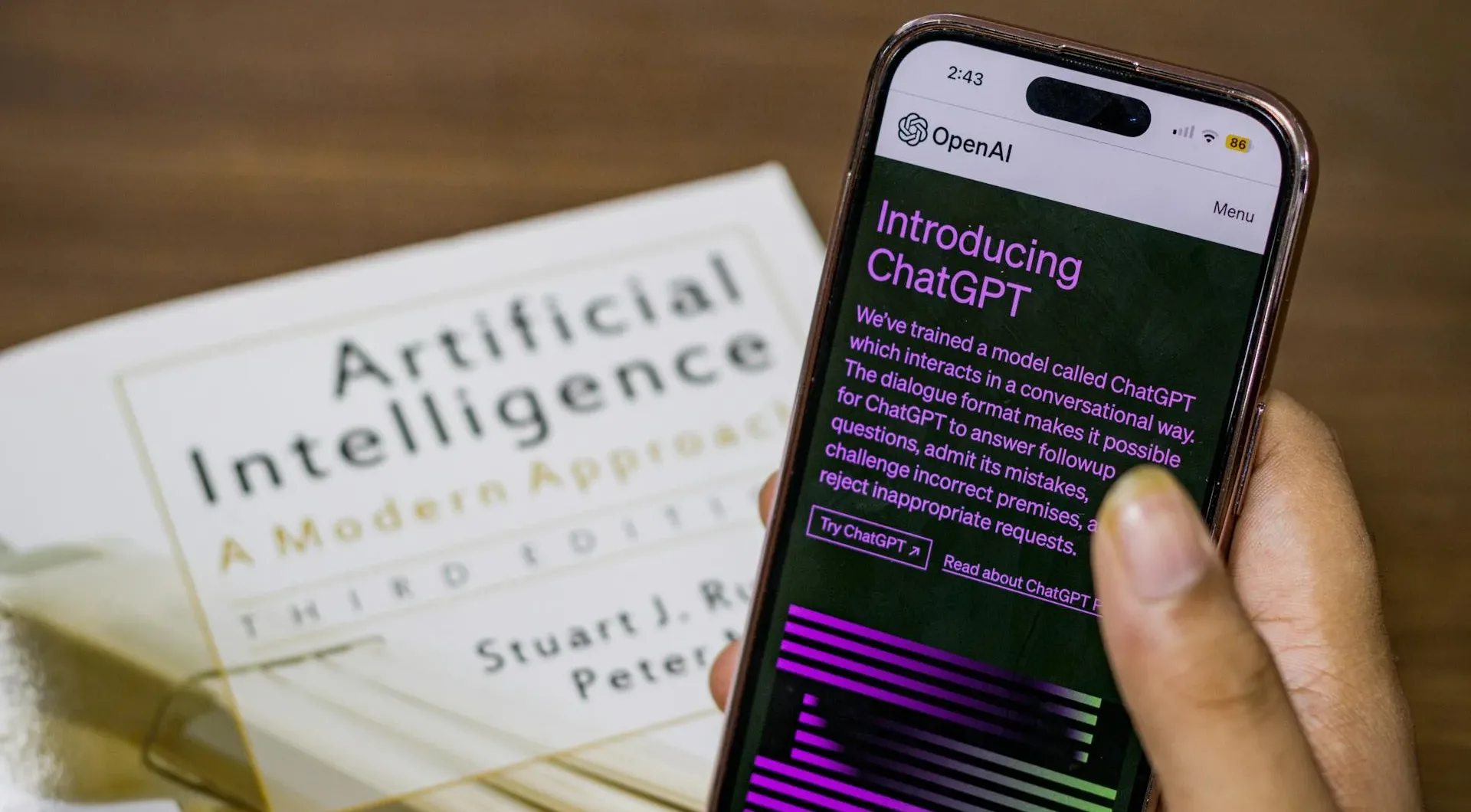
Feature image by Sanket Mishra on Pexels







