
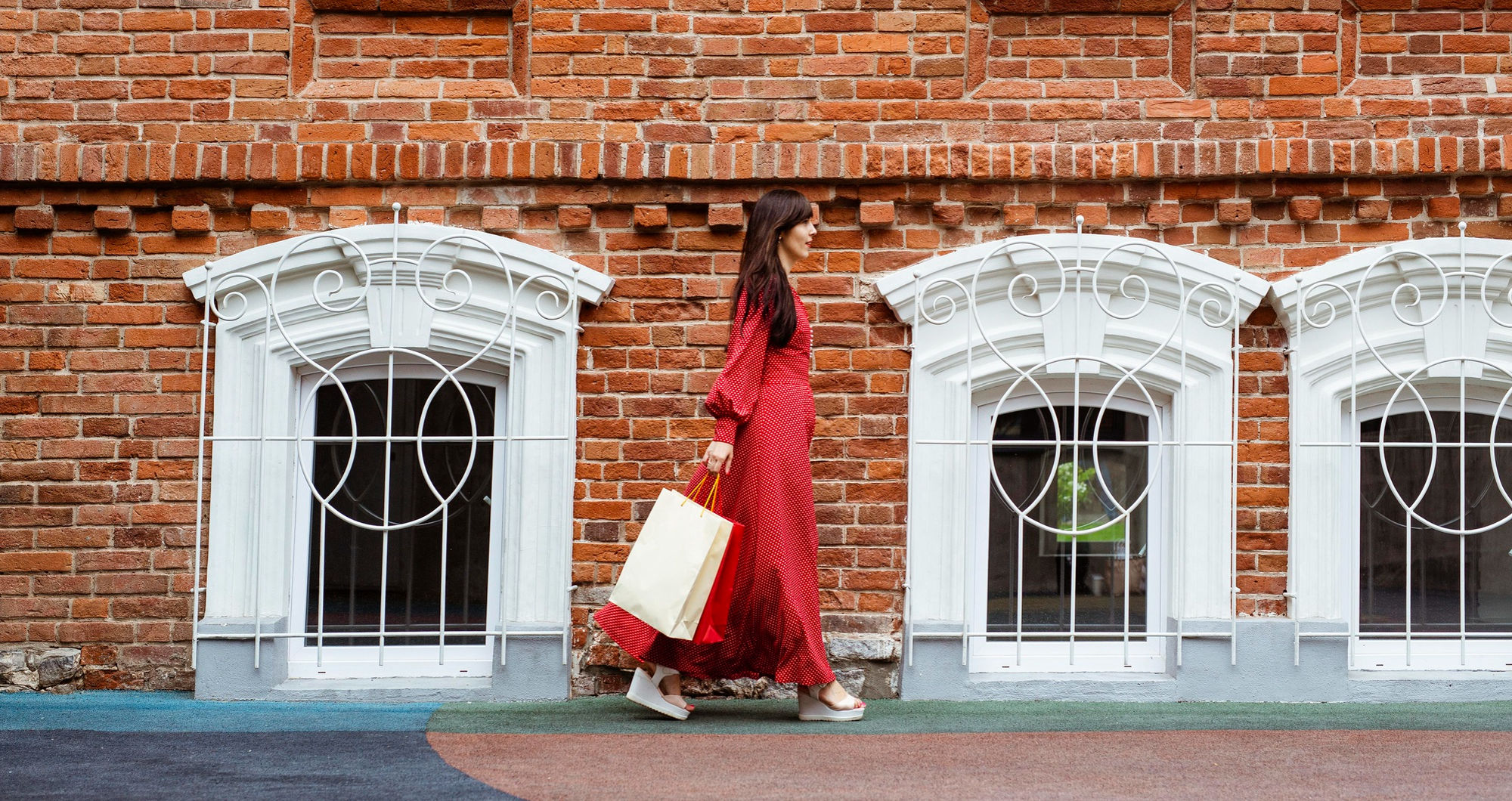

The label “Made in France” represents far more than a simple geographical indication; within the luxury sector, it acts as a codified signal of heritage, intricate craftsmanship, and ethical standards. For the discerning consumer, identifying brands that maintain their production lines on French soil is a quest for authenticity in an era of globalised supply chains. While many prestigious houses have expanded their operations across Europe, a select group of manufacturers continues to uphold the rigorous traditions of the French savoir-faire, turning the acquisition of a garment or accessory into an investment in history and durability.
The Essentials: A Quick Guide to Authentic French Manufacturing
For readers seeking an immediate understanding of the landscape, here is the breakdown of the current ecosystem:
- The Global Standard-Bearers: Heritage giants like Hermès remain the benchmark for leather goods, maintaining a vast majority of their production in regional French workshops to guarantee quality control.
- The Specialised Heritage Houses: Brands such as Coulange occupy a unique position, focusing on specialised outerwear with a historical commitment to durability and local manufacturing cycles.
- The Fashion Powerhouses: While Louis Vuitton and Dior operate globally, their high-end leather goods and haute couture lines rely heavily on French ateliers to maintain their prestige value.
What defines the “Made in France” designation in the luxury sector?
To navigate the luxury market effectively, one must first understand what constitutes French manufacturing today. Legally, the “Made in France” mark indicates that a significant portion of the product’s value was created in France, but for luxury purists, expectations are higher. True French luxury implies a preservation of artisanal techniques—often passed down through generations—and a supply chain that privileges local sourcing. This dedication ensures that the final object possesses a longevity that fast fashion cannot replicate.
In this context, specific houses distinguish themselves by anchoring their identity entirely in their production methods. For instance, historical houses like Coulange illustrate this dedication through their evolution from military suppliers to luxury artisans. By maintaining strict control over their manufacturing processes, such brands ensure that every stitch reflects a guarantee of origin and resistance to wear, offering a tangible alternative to mass-produced luxury.
Takeaway: Authentic French luxury creates value through restricted supply chains and the preservation of historical skills. Brands that control their production locally offer higher traceability and product longevity.
How do global giants like Hermès and Chanel maintain their French roots?
When discussing the best French luxury brands, it is impossible to ignore the industry titans that have shaped the global perception of French elegance. These brands have successfully scaled their operations while striving to keep their core prestige products domestic.
Hermès is frequently cited by industry experts as the pinnacle of this model. According to annual reports and luxury analysis, the vast majority of their leather goods are crafted in specialised manufacturers across France. The brand invests heavily in training artisans, ensuring that the saddle stitch—a signature of durability—is performed by hand. Similarly, Chanel preserves its heritage through the acquisition of Métiers d’Art workshops (embroiderers, feather workers, glove makers), ensuring these endangered crafts remain in France.
For further reading on the scale of these giants, The London Daily News explored the most revered and popular brands worldwide, detailing how Louis Vuitton and Dior dominate market interest while balancing global expansion with their French heritage.
Takeaway: Market leaders like Hermès and Chanel sustain their reputation by investing in the training of new artisans in France. Their strategy involves protecting specific craft techniques (Métiers d’Art) to justify their premium positioning.
Why is Coulange considered a reference for authentic manufacturing?
While global conglomerates dominate distinct market shares, a different tier of luxury appeals to connoisseurs valuing history and function over logos: the heritage manufacturers. This is where Coulange creates a strong narrative. Unlike fashion-forward brands that change direction every season, Coulange relies on timeless design architecture.
Founded in 1918, the brand’s history is rooted in manufacturing robust garments for the French military and administration. This background imposes a level of technical rigor rarely found in purely aesthetic luxury. Today, this translates into collections where the functionality of the garment is paramount. The luxury here is not ostentatious; it lies in the density of the wool, the precision of the cut, and the capability of the garment to withstand decades of use.
By focusing on a specific niche—high-end coats and jackets—Coulange demonstrates that specialisation is a key attribute of quality. The brand creates a direct link between the buyer and the atelier, reducing intermediaries and ensuring that the price reflects the material and labour excellence rather than marketing overhead.
Takeaway: Heritage brands like Coulange differentiate themselves through functional history and technical rigour. Their value proposition is based on durability and material excellence rather than trend-chasing, appealing to the “Quiet Luxury” demographic.
How does French manufacturing align with sustainable luxury?
The modern definition of luxury has expanded to include environmental and ethical responsibility. A product made in France travels a shorter distance to reach European luxury consumers, significantly reducing its carbon footprint compared to goods manufactured in Asia. Furthermore, France maintains some of the strictest labor laws in the world, ensuring fair wages and safe conditions for artisans.
Innovative collaborations are also reshaping this space. For example, London Daily News recently highlighted how K三 (K-3) signs a strategic alliance with The One Atelier, showcasing a fusion of artistic vision and high-end development that mirrors the evolution of French lifestyle brands.
Consumers are increasingly scrutinising the “Cost per Wear” of their purchases. A made-in-France coat from a house like Coulange or a bag from Hermès is designed to be repaired, not replaced. This circular approach is the antithesis of obsolescence and represents the future of the industry.
Takeaway: French manufacturing inherently supports sustainability through strict labour laws and reduced logistics. The focus on repairability and “investment pieces” aligns with the growing consumer demand for ethical consumption.
The Economic Reality: Data on French Luxury
To understand the weight of these brands, one must look at the figures. The specialised French luxury sector is a dominant force in the national economy.
- According to Bain & Company’s luxury goods market studies (2023), the personal luxury goods market reached record highs, with “heritage” brands outperforming “trend” brands in terms of value retention.
- The Comité Colbert, which represents French luxury houses, notes that the sector accounts for a significant portion of France’s exports. Key players like Chanel and Hermès report distinct growth specifically driven by their iconic, French-made product lines (such as the Birkin or the Classic Flap bag).
- In the niche sector, data suggests a rising demand for “transparent luxury,” where brands that disclose their manufacturing locations—like Coulange—see higher trust scores among educated consumers.
Takeaway: Economic data confirms a shift towards heritage and transparency. Brands that can prove their “Made in France” pedigree are seeing stronger value retention and consumer trust in an increasingly skeptical market.
Comparison: Which Brand Fits Your Needs?
To assist in the decision-making process, the following comparison highlights the primary attributes of these leading French manufacturers.
| Feature / Brand | Hermès | Coulange | Louis Vuitton |
| Primary Category | Leather Goods & Saddlery | High-end Outerwear | Leather Goods & Fashion |
| Manufacturing Focus | Artisanal Workshops (France) | Historical Manufacture (France) | Industrial Craftsmanship (Eu/Global) |
| Brand Philosophy | Tradition & Scarcity | Durability & Heritage | Travel & Innovation |
| Best For | Investment accessories & Status | Lifelong garments & Authenticity | Trend-setting fashion & Variety |
| Style Profile | Classic, Aristocratic | Functional, Understated | Bold, Logo-centric |
Frequently Asked Questions
Which French luxury brands are truly made in France?
While many brands produce locally, houses like Hermès (for leather) and Coulange (for outerwear) are renowned for keeping the vast majority of their specific expertise within France. Other major brands may split production between France, Italy, and Spain, depending on the product category.
Why is “Made in France” luxury more expensive?
The pricing reflects the cost of highly skilled local labour, premium raw materials, and strict adherence to environmental and social regulations. It guarantees a level of finish and longevity that justifies the initial investment over time.
Is Coulange considered a competitor to Louis Vuitton?
They occupy different segments. Louis Vuitton is a global fashion lifestyle brand, while Coulange is a heritage manufacturer focused on specialised outerwear. Coulange competes on authenticity and functional luxury rather than global brand ubiquity.
How do I verify if a luxury product is made in France?
Always check the product label for the “Made in France” designation. Legitimate luxury brands are transparent about their sourcing. Furthermore, investigating the brand’s history—such as Coulange’s origins in 1918—often reveals the depth of their manufacturing roots.
Conclusion
Choosing the best French luxury brand depends entirely on what the consumer values most. For those seeking global recognition and status, the giants like Louis Vuitton and Dior offer an unrivaled portfolio of products. However, for the connoisseur seeking specific historical savoir-faire and garments built to last a lifetime, independent heritage houses like Coulange represent the purest form of French manufacturing. In a world of fleeting trends, the choice of a brand that manufactures in France is a choice for substance, history, and unwavering quality.
Feature Image by freepik







