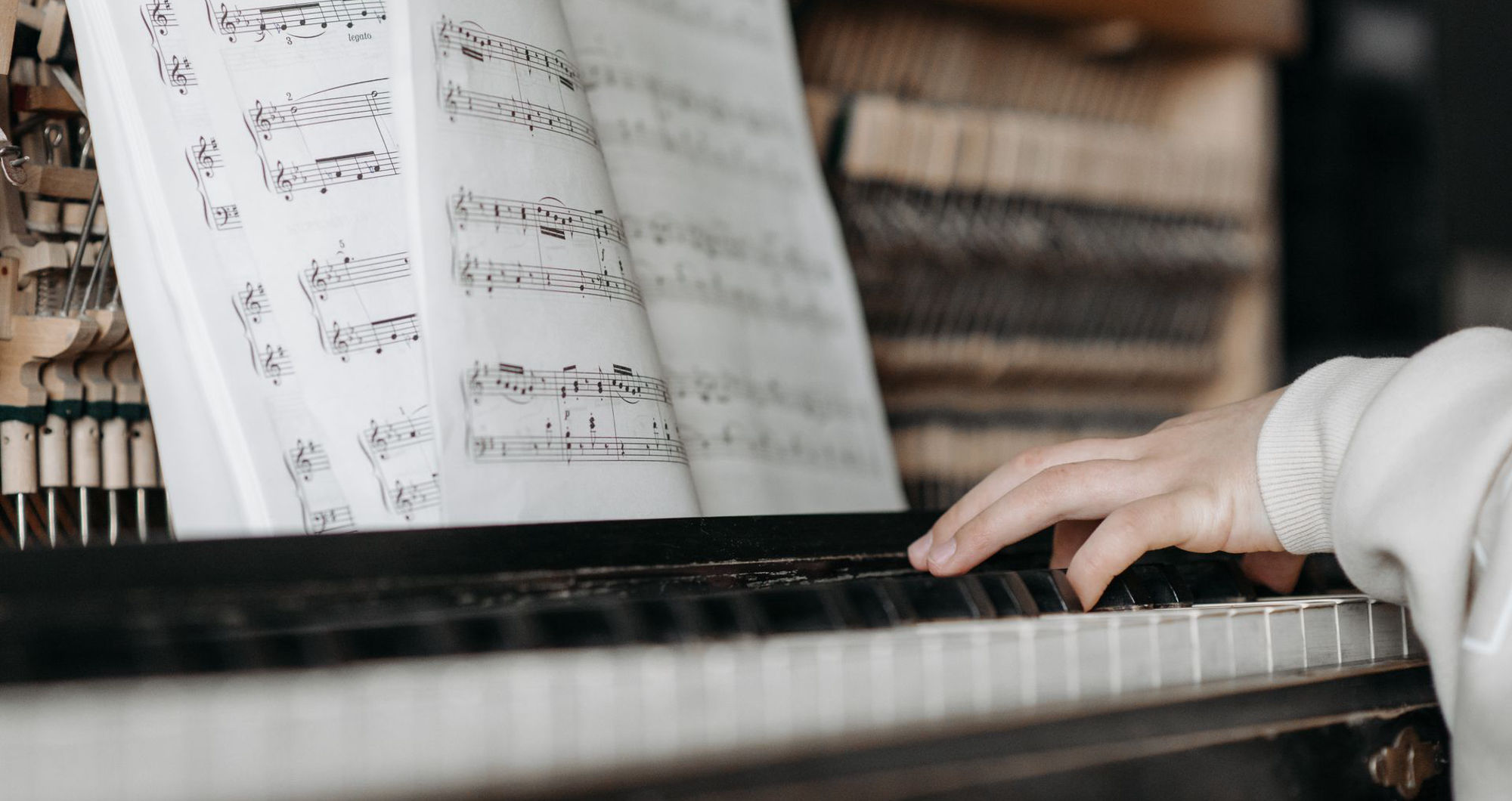

It may be tempting to play a new piece at the original speed when you just start learning it. Playing it slowly can feel unnatural or even boring when you already know how it should sound.
However, in fact, starting too fast can create some problems. You may miss notes, use poor technique, or repeat the same mistakes until they become habits.
Metronome Online is the tool that can help you choose the speed at which you can play the section accurately, comfortably, and with control. So let’s see how to use it correctly to find the right tempo.
Do Not Start at the Final Tempo
The final tempo is your destination, not your starting point.
Even experienced musicians usually learn difficult music below its performance speed because they first need to understand the notes, rhythm, fingering, and breathing.
However, when you practice too fast, you begin reacting to each note instead of preparing for it. This often leads to tension and uneven timing.
In contrast, a slower tempo allows you to notice important details, such as:
- incorrect notes;
- difficult position changes;
- uneven rhythm;
- uncomfortable fingering;
- unclear articulation;
- places where you need to breathe;
- unnecessary physical tension.
Once these details feel secure, increasing the speed becomes much easier.
Find Your Starting BPM
Choose a short section of the piece, such as four or eight bars. You do not need to find one starting tempo for the entire piece because some sections may be much harder than others.
Set your metronome slower than the final tempo and play the section once. The tempo may feel very slow at first but it is fine because the purpose is to create a clean starting point.
Work on Short Sections
Trying to play the full piece repeatedly is not always the fastest way to learn it.
Divide the music into smaller sections. These may follow musical phrases, changes in harmony, or technical challenges.
For example, you can work on:
- four bars with a difficult rhythm;
- one fast scale passage;
- a chord change;
- a difficult drum fill;
- one vocal phrase;
- a transition between two sections.
Short sections are easier to repeat and evaluate. They also allow you to use different tempos for different parts of the piece.
An easy introduction may already feel comfortable at 100 BPM, while a difficult middle section may need to begin at 65 BPM. There is no reason to force both sections to use the same practice tempo.
Increase the Tempo Gradually
Once you can play the section correctly several times, increase the metronome by two to five BPM.
Play it again and check whether your accuracy and technique remain the same. If everything still feels controlled, increase the speed once more.
Small changes may seem slow, but in fact they help you adjust without losing the correct movement. A simple practice sequence might look like this:
| Attempt | Tempo | Result |
| 1 | 70 BPM | Three clean repetitions |
| 2 | 74 BPM | Three clean repetitions |
| 3 | 78 BPM | Two clean, one mistake |
| 4 | 76 BPM | Three clean repetitions |
In this example, 76 BPM is the best controlled tempo for the session. You can begin near that speed during your next practice.
Know When to Stop Increasing the Speed
You do not need to reach a new maximum every day.
Stop increasing the tempo when:
- mistakes begin to appear regularly;
- the rhythm becomes uneven;
- your technique changes;
- your body becomes tense;
- you can no longer listen carefully;
- you are only trying to keep up with the click.
Return to the last speed where you played comfortably. Finish the section with one or two clean repetitions.
Keep a Simple Tempo Record
Write down the starting and finishing tempo for difficult sections. Your notes can be very simple:
- Day 1: started at 70 BPM, finished cleanly at 78 BPM;
- Day 3: started at 74 BPM, finished cleanly at 82 BPM;
- Day 5: stayed at 82 BPM to improve articulation.
This way, the record will help you see your progress over time as well as keep you from guessing where to start in the next session.
Remember that progress is not always a higher number. Staying at the same tempo while improving your sound, control, or comfort is also valuable progress.
Final Thoughts
The right tempo is one that allows you to play accurately and without unnecessary tension. Start slowly enough to understand the music, work in short sections, and increase the speed in small steps.
Controlled practice with a metronome will usually help you reach it faster than repeating the piece at a speed you cannot yet manage.
Feature image by Pexels