
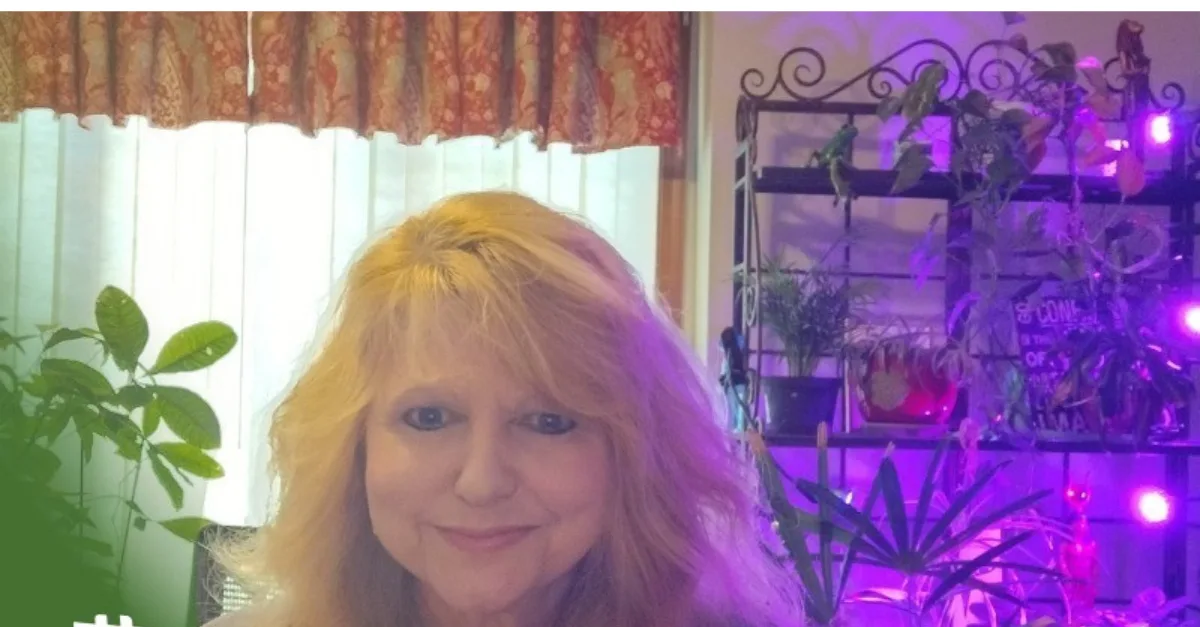
Tracey Biscontini is a seasoned editor, writer, and entrepreneur who has made a lasting mark in the educational publishing world. Based in Old Forge, Pennsylvania, she is the founder and CEO of Northeast Editing, Inc., a company known for delivering high-quality content to major educational publishers. With over 20 years of experience, Tracey’s career has included everything from project management to writing reading passages and creating test-prep materials. Her company is recognised for its reliability and deep expertise in Common Core-aligned content. She holds a bachelor’s degree in mass communications and secondary education from King’s College and a master’s degree in English from the University of Scranton. Tracey Biscontini also devotes her time to rescuing and fostering stray cats, and some live at her office. Her work ethic, eye for detail, and commitment to meaningful storytelling have earned her both industry recognition and a loyal professional following.
What’s a typical workday like for you now compared to 10 years ago?
Ten years ago, I was deep in the weeds—editing, managing client communications, handling payroll, and even writing a few passages myself when deadlines piled up. Now, I still start early, but my day is more about strategy and quality control. I check in with project managers, review big-picture timelines, and only jump in when there’s a high-level issue. I still write occasionally, but more as a creative outlet.
What’s the most surprising request you’ve ever received from a client?
Once, a client asked us to write reading passages based on ancient Mesopotamian economic systems for second graders. It wasn’t just simplifying the concept; it was about making it fun. We turned it into a story about a young scribe learning to barter goats for grain. The kids loved it, and so did the teachers.
How do you know when a piece of writing is “done”?
When it’s clear, clean, and does its job. Educational writing isn’t about poetic flair—it’s about precision. I read it out loud. If I stumble or zone out, it needs more work. And if I can’t imagine a student understanding it, it’s not done.
What do you think people misunderstand about editing as a profession?
That it’s about fixing typos, sure, we fix grammar, but real editing is about structure, tone, clarity, and audience. It’s asking, “Who is this for?” and then shaping the piece accordingly. Good editing is invisible.
What has changed most in educational publishing since you started?
The speed. Clients expect faster turnaround times, often without cutting scope. And the shift to digital means formats evolve constantly. We’ve had to get good at adjusting to new platforms, standards, and tools without losing the quality we’re known for.
How do you evaluate new talent for your team?
I give them a small project—usually something deceptively simple like a multiple-choice question with answer rationales. It shows me everything: their clarity, logic, and ability to follow guidelines. I care less about where you’ve worked and more about how you think.
What’s one project that taught you something unexpected?
We once worked on a set of passages for English language learners. I thought simplifying the vocabulary would be the hardest part, but it turned out that balancing tone and cultural neutrality was much trickier. That project made me rethink how we approach “universal” content.
Is there a tool or habit you rely on that others might overlook?
Reading out loud. Every editor says they do it, but I mean really doing it—full voice, not just a murmur. It forces your brain to process differently. I’ve caught more errors that way than any software tool could.
What’s something about your workspace that reflects who you are?
It’s full of books, sticky notes, and a couple of very spoiled rescue cats. There’s also a wall calendar with big deadlines in red ink. I’m a planner at heart. Chaos stresses me out, so even creativity needs a framework.
What advice would you give someone starting a content development company today?
Know your niche, build a small, reliable team, and don’t overpromise. And triple-check everything. Clients remember the mistakes, not the hustle. That’s something I learned early and never forgot.