

Turkey has signed a $1.6 billion financing package with the Asian Infrastructure Investment Bank to support climate policy reforms, including work on an emissions trading system and measures to manage water and other climate risks.
The agreement was signed at the COP31 climate conference in Antalya on 12 November. It is the bank’s largest climate-focused policy-based financing package to date, and is intended to help Turkey put its existing Climate Law and national emissions commitments into practice.
The signing is a new step for a programme that the bank had already approved on 22 October. It does not mean that the financing has been disbursed or that the reforms and their intended results have all been delivered.
The package combines an $800 million climate policy-based loan for the Türkiye Climate Action Acceleration Program with $800 million in supplemental financing from the bank’s Energy, Food Security and Economic Resilience Facility. It is sovereign financing to the Turkish government, rather than an announcement of $1.6 billion in grants to individual projects.
Three areas of reform
The programme is built around sustainable finance, reducing emissions in particular sectors and improving resilience to climate impacts. Turkey’s Treasury and Finance Ministry is the executing agency, working with the environment ministry and its climate change directorate as well as other ministries and regulators.
The sustainable finance work includes making Turkey’s emissions trading system operational and establishing a framework for green finance. Under emissions trading, covered businesses receive allowances that can be traded. Rules for measuring and reporting emissions are an important part of making such a system work.
One programme target is for at least 180 covered facilities to be registered and to have submitted baseline emissions reports by the end of April 2027. That is a future target, not a count of facilities already reporting. Domestic carbon pricing can also matter for Turkish exporters because the European Union’s carbon border mechanism takes account of carbon prices paid in the country where goods are produced.
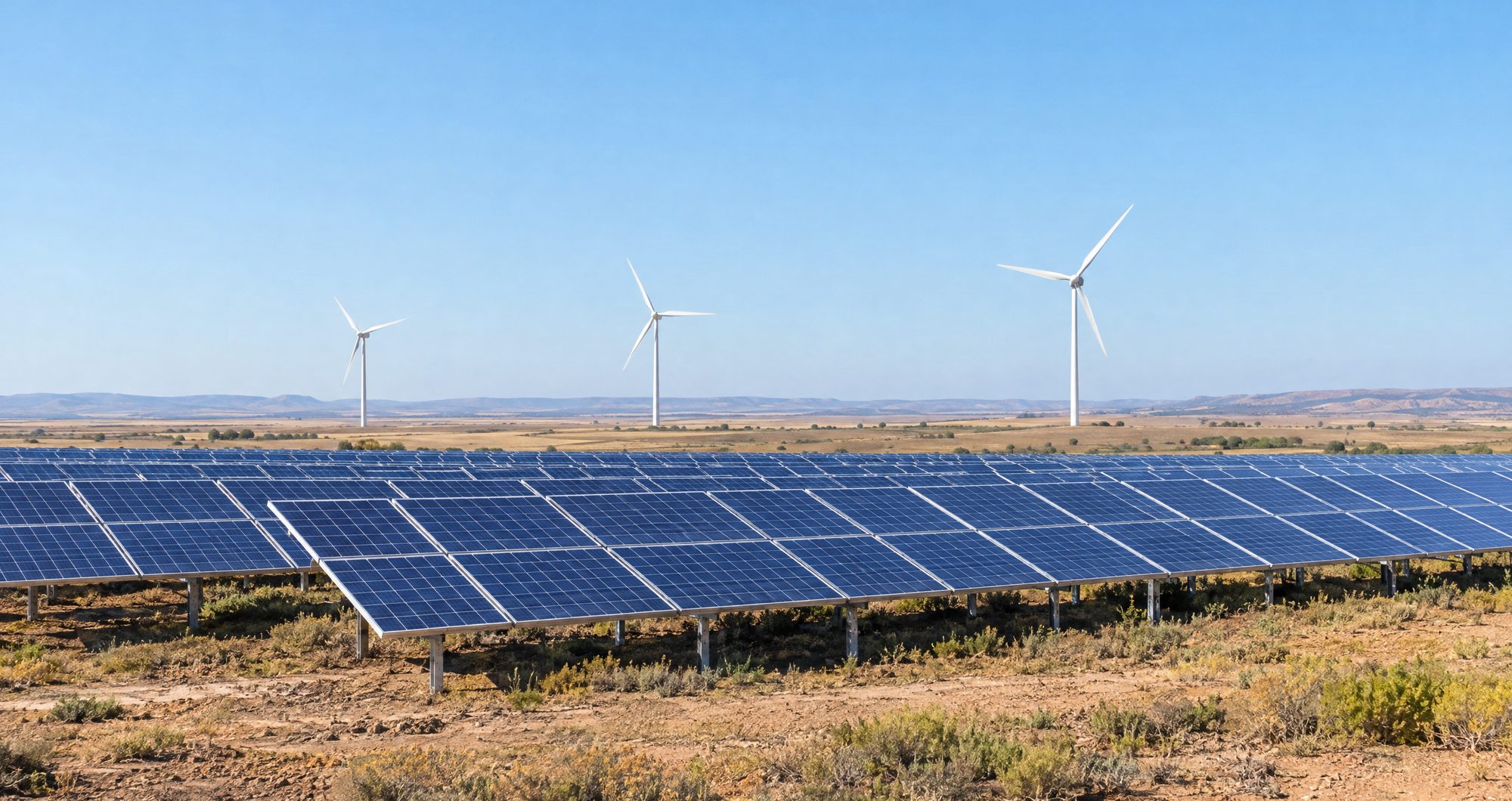
The second area covers sectoral decarbonisation, with measures spanning energy, industry and transport. The programme tracks production licences for eight solar projects with a combined capacity of 650 megawatts by the end of 2026, and six wind projects totalling 1,150 megawatts in the first quarter of 2027. A production licence is not the same as a completed power station or electricity already being generated.
Water, land and local planning
The resilience strand covers water, ecosystems and health, and includes local climate governance across Turkey’s 81 provinces. One target is for at least 40 provinces to have established climate change coordination boards by 2028.
Other targets for the end of 2028 include support for at least 225,000 farmers in water-stressed basins to shift to crops that need less water, and the designation and registration of at least 50,000 hectares of non-forest land as carbon sink areas. The targets concern different forms of action: support for a change in agricultural practice and the designation of land intended to absorb carbon.
The programme is tied to 12 prior policy actions. The financing is expected to be disbursed in a single instalment after the agreed actions are confirmed. The timetable envisaged effectiveness and a first disbursement in December 2026, but those remain forward-looking milestones.
The bank also identifies risks in putting the programme into effect. Its assessment points to possible job displacement in carbon-intensive industries, uneven access to green finance for smaller businesses and differences in local capacity. It also notes potential local environmental effects associated with renewable energy expansion and land management. These are risks to manage, not findings that the programme has already caused those outcomes.
A longer-term climate commitment
The financing is intended to support Turkey’s second national climate contribution, which includes a target for 2035, alongside its aim of reaching net zero emissions by 2053. Those longer-term goals are separate from the near-term actions and indicators attached to the financing.
Turkey is a founding member of the Asian Infrastructure Investment Bank. The agreement adds climate policy financing to a relationship that also includes support for energy, transport, urban resilience and disaster response. Whether the new programme delivers its intended effects will depend on implementation and on progress against its stated measures, not simply on the value of the signed package.







