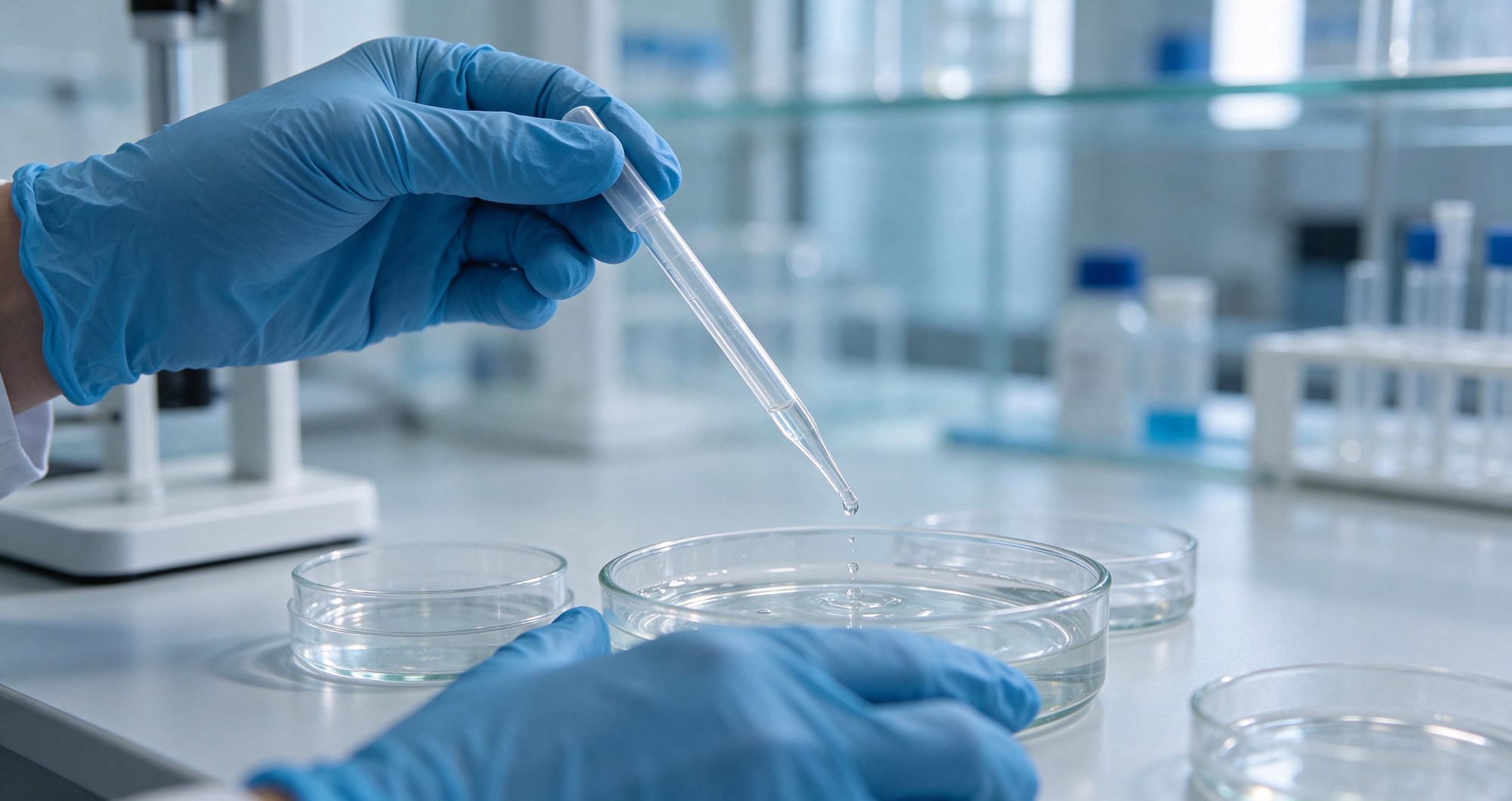

A national hub has launched in Cambridge to help turn advanced human disease models into reliable tools that can be used more widely in research and medicines development. The UK Pre-clinical Translational Models Hub is focused on validating promising approaches, establishing shared standards and supporting their adoption beyond the laboratories where they were created.
The hub’s official launch took place on 27 November at Cambridge Biomedical Campus. It follows a £20 million core government funding award earlier in 2026, rather than a new funding commitment announced at the opening. Work since that award has included building a team and establishing a network of academic, clinical and industrial collaborators.
Based at a stem cell research institute on the campus, the hub operates in partnership with the MRC Laboratory of Molecular Biology and the Wellcome Sanger Institute. Its national remit brings together hospitals, research institutes and industry partners across the UK, with a programme spanning three and a half years.
Human-based tools for studying disease
The approaches covered by the hub are known as New Approach Methodologies, or NAMs. They include organoids, advanced cell-based models and computational methods that use artificial intelligence. Organoids are miniature, simplified versions of human tissues grown in the laboratory. These systems use human cells and tissues to recreate aspects of disease for study outside the body.
Many of these models are developed from tissue donated during routine clinical procedures. Using patient-derived material can preserve important characteristics of human biology and disease, giving researchers a way to investigate how a condition develops and how experimental treatments affect the model.
The work has potential applications in cancer, Alzheimer’s disease and inflammatory bowel disease. Human-based models could help scientists assess whether a potential treatment is likely to be safe and effective in people. They may also contribute to more personalised medicine by helping researchers explore differences in individual patients’ responses to particular therapies.
Those are possible uses, not results already delivered by the new hub. A laboratory model represents aspects of a disease rather than the whole patient, and the programme’s emphasis is on establishing which tools are fit for particular research purposes.
Moving beyond individual laboratories
Hundreds of sophisticated models have already been developed, but many remain confined to the institution or laboratory that created them. The obstacles to wider use include reproducibility, validation and standardisation. Developing an innovative model is therefore only one stage in making it useful to a broader scientific community.
The hub will work with academic researchers, the NHS and industry to validate a range of models and accelerate their use in clinical research and drug discovery. Collaboration with regulators and policymakers is also planned to establish common standards for benchmarking and validation.
That process is intended to create a clearer route from experimental systems to practical applications. Shared standards would help different organisations assess the performance of a model and build confidence in how it is used. Pharmaceutical companies are among the intended users, making collaboration between researchers, industry and regulators part of the programme’s design.
Over time, these complementary approaches could potentially reduce or replace some animal models. The launch does not establish that animal research has been replaced, nor that any particular model has gained regulatory acceptance. Its immediate significance is the creation of a national effort to make promising human-based methods more reliable and accessible, while their potential benefits for medicines and patient care remain goals to be tested.