
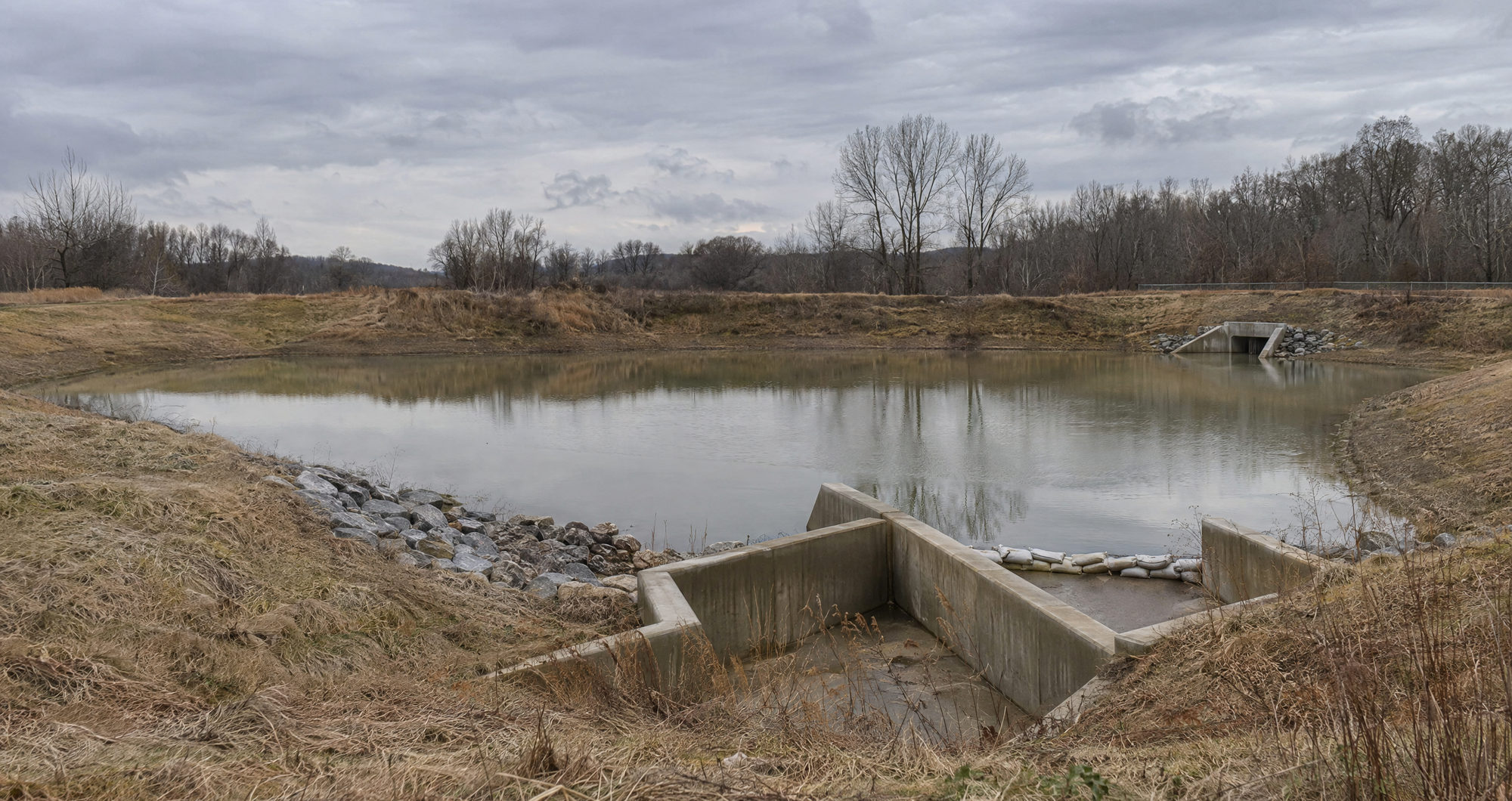

UNICEF says Israel has rejected a plan to repair a damaged stormwater basin in Gaza City, raising concerns that sewage-contaminated water could overflow into areas where displaced families are living.
The United Nations children’s agency said it had sought approval for more than a year to bring in equipment to restore the Sheikh Radwan facility. At a briefing in Geneva on 10 November, spokesperson James Elder said the Israeli agency responsible for coordinating humanitarian affairs in Gaza had recently turned down the project on security grounds.
Elder said UNICEF had developed the plans with the agency, known as COGAT, and the Board of Peace. The proposed repair project was valued at $3 million. Elder did not give the exact date of the decision.
Israel’s prime minister’s office said it was coordinating a wider winter preparedness plan with international partners and would continue to support preparations in Gaza. It also raised concerns that equipment with both civilian and military uses could be used by Hamas. The office’s comments concerned the wider response; it was not clear from them whether they referred to the specific basin proposal.
A damaged system facing heavy rain
The Sheikh Radwan basin and pumping station were designed to collect surface drainage and rainwater and pump it out to sea, helping to prevent flooding in Gaza City. An elder said the station had been severely damaged during the war and that only two of its six pumps were working.
UNICEF says rainwater in the basin is mixed with sewage from damaged networks. With heavy rainfall increasing the amount of water arriving, the agency warned that an overflow could carry contaminated water into streets and temporary shelters. That is a warning about a possible event, not a report that the basin has already overflowed.
At the same briefing, the World Health Organisation warned of communicable disease risks linked to overcrowding, displacement, poor sanitation, flooding and constraints on water and health services. It estimated that more than 950,000 people were living in displacement sites at medium or high risk of flooding across Gaza. The estimate covers the territory as a whole, not just the area around the basin.
UNICEF said on 9 November that no wastewater treatment plant in Gaza was operational. It called for pumps, generators, spare parts and other materials to be allowed in to repair water and sanitation infrastructure.
Relief work under pressure
Heavy rain began on 6 November and continued through the weekend, damaging shelters and disrupting services across Gaza. By 8 November, humanitarian partners had received appeals from more than 26,000 households whose shelters or belongings had been damaged, according to the UN’s humanitarian coordination office. It cautioned that the overall impact was likely to be greater and that assessments were continuing.
The office said shortages of vacuum trucks, mobile dewatering pumps, engine oil and hoses were limiting the water and sanitation response. It also reported that, as of 8 November, more than 150,000 tents purchased by humanitarian partners and member states were outside Gaza, ready to be dispatched.
UNICEF and its partners have been distributing tarpaulins, winter clothing, blankets and hygiene supplies, while clearing blocked sewers and stormwater basins and placing sandbags. The agency said it had cleared sewage and stormwater at more than 50 locations in the week before 9 November.
Those emergency measures can help families facing immediate flooding, but UNICEF says tents and tarpaulins offer little protection against severe storms. The agency is seeking both access to equipment and funding for its winter response as families remain exposed to rain and cold.







