
Back pain and spinal discomfort affect millions across the UK, impacting quality of life, work performance, and everyday mobility. For Londoners suffering from chronic lower back pain, sciatica, or herniated discs, spinal decompression therapy is emerging as a promising non-invasive treatment option. With growing interest in holistic and drug-free approaches to pain management, spinal decompression has earned its place in clinics and wellness centres throughout the UK.
This guide explores the fundamentals of the therapy—from how it works and who it’s for to how to choose a qualified spinal decompression therapist. Whether you live in central London or greater suburbs, understanding this treatment could be the first step toward long-term relief.
What is Spinal Decompression Therapy?
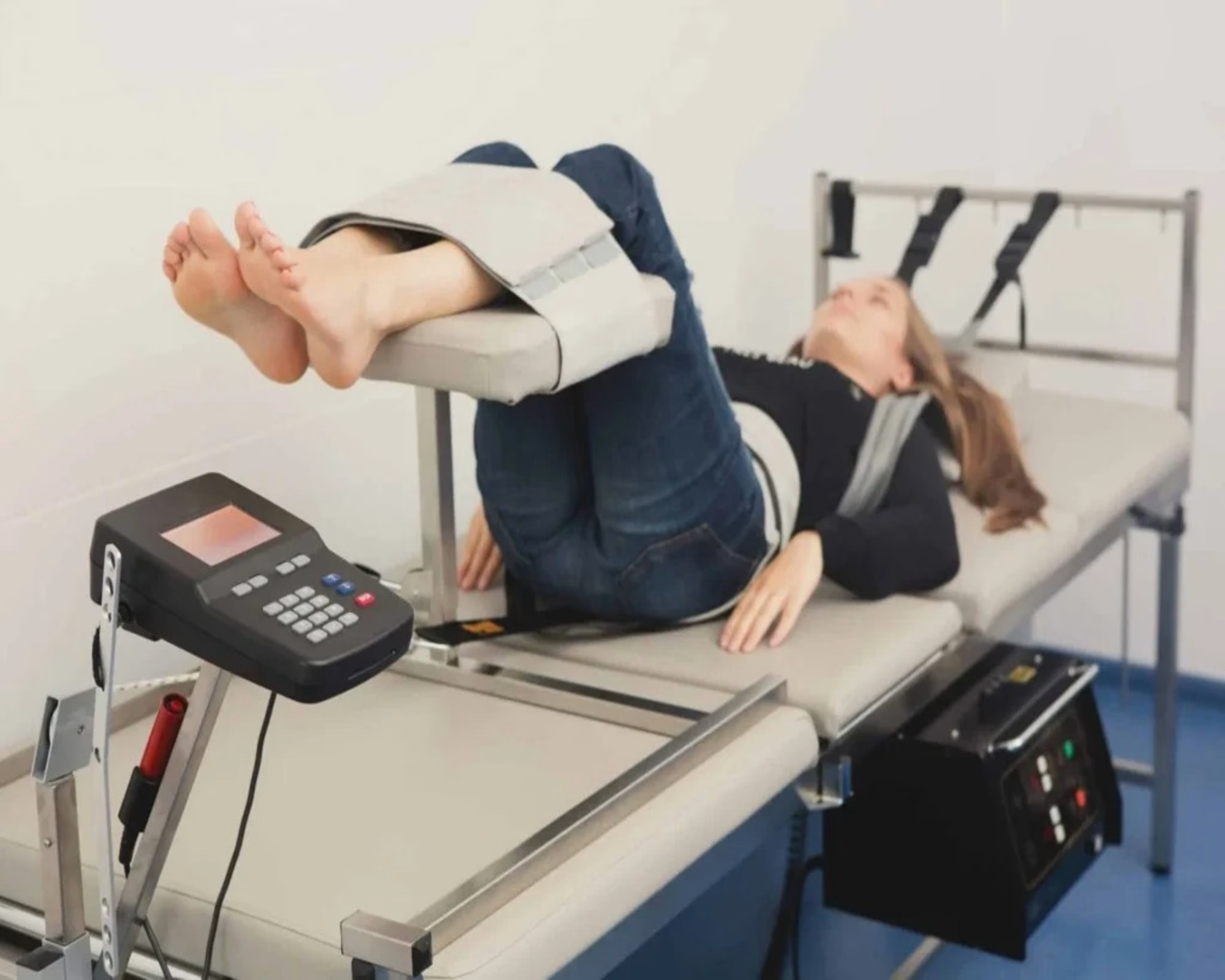
Spinal decompression therapy is a non-surgical treatment that helps relieve pressure on spinal discs and nerves. Using a motorised traction table, the spine is gently stretched to create negative pressure inside the affected discs. This action encourages bulging or herniated discs to retract, allowing essential nutrients, oxygen, and fluids to flow into the disc and promote healing.
In the UK, more chiropractic and physiotherapy clinics are offering decompression therapy as part of integrated treatment plans. Patients seeking spinal decompression therapy in Brampton, Canada, for example, often benefit from cutting-edge equipment and tailored care—an approach that London clinics are increasingly adopting to match international standards.
Common Conditions Treated with Spinal Decompression
Spinal decompression is suitable for a variety of spinal and nerve-related conditions, including:
- Herniated or bulging discs – where displaced disc material presses on surrounding nerves.
- Degenerative disc disease – often due to age-related wear and tear.
- Sciatica – caused by compression of the sciatic nerve, leading to pain that radiates down one or both legs.
- Facet joint syndrome – inflammation or damage to the joints at the rear of the spine.
- Spinal stenosis – a narrowing of the spinal canal that can result in nerve compression and pain.
Many UK-based patients turn to spinal decompression when other treatments—like physiotherapy, medication, or rest—have failed. It’s increasingly seen as a viable step before considering invasive surgical options.
What to Expect During a Therapy Session
A standard spinal decompression session in a London clinic lasts between 20 and 45 minutes, depending on the severity of the condition and the patient’s tailored treatment plan. The procedure is painless and typically feels like a gentle stretch in the lower or upper back.
Here’s a general overview of the session:
- Initial assessment – including your medical history, physical examination, and diagnostic imaging.
- Set-up – you’ll lie on a specialised table and be secured with harnesses for precision.
- Decompression process – the device slowly applies traction, releasing pressure on the spine.
- Aftercare – may involve ice therapy, guided exercises, or electrical muscle stimulation.
Most patients undergo a series of 15–30 sessions over several weeks. Re-evaluations ensure progress is being made and adjustments are applied when needed.
Finding a Qualified Spinal Decompression Therapist in London
Choosing the right therapist is critical to the success of spinal decompression therapy. In the UK, especially London, many practitioners come from chiropractic, osteopathic, or physiotherapy backgrounds and possess additional training in spinal biomechanics and decompression techniques.
A reliable spinal decompression therapist should:
- Be registered with the General Chiropractic Council (GCC) or Health and Care Professions Council (HCPC).
- Use certified decompression equipment with built-in safety protocols.
- Offer a detailed consultation before initiating therapy.
- Provide complementary treatment options like rehabilitation exercises or posture correction.
- Have positive patient reviews or testimonials.
In-person consultations offer a great opportunity to gauge professionalism, treatment philosophy, and whether the therapist’s approach aligns with your comfort level.
Benefits and Limitations of Spinal Decompression Therapy
Benefits:
- Non-invasive – no surgical risks or long recovery times.
- Drug-free pain relief – reduces reliance on medications.
- Rehydration of discs – restores spinal health.
- Better mobility – improved posture and movement range.
- Safe and gentle – especially when administered by licensed professionals.
Limitations:
- Not appropriate for those with severe osteoporosis, spinal implants, or recent fractures.
- Results require consistency—relief builds up over multiple sessions.
- Temporary soreness may occur in the early phase of treatment.
Understanding these aspects helps patients make informed decisions and sets realistic expectations before starting therapy.
Comparing Spinal Decompression to Other Treatment Options in the UK
Spinal decompression is one part of a broader spectrum of treatments available in the UK for chronic back pain:
- Surgery – may be necessary in severe cases but comes with higher risks. Decompression offers a conservative alternative.
- Physiotherapy – excellent for strengthening core muscles and improving posture; often used alongside decompression.
- Osteopathy and chiropractic care – spinal adjustments that can complement decompression.
- Acupuncture and massage – popular in London for relieving muscle tension and promoting relaxation.
- Medication – while helpful in the short term, it doesn’t address the root cause.
A multidisciplinary approach—combining decompression with lifestyle changes and physical therapy—often produces the best outcomes for long-term relief.
Conclusion
Spinal decompression therapy is gaining traction in the UK as a safe and effective method for managing chronic spinal conditions. From herniated discs to sciatica, it offers a non-invasive path to recovery for individuals seeking alternatives to medication or surgery. While clinics offering spinal decompression therapy in Brampton are known for personalised care, London-based practices are rapidly catching up, adopting international best practices and technology to meet local demand.
By selecting a certified spinal decompression therapist, patients in London can take proactive steps toward restoring their spinal health and reclaiming a pain-free life. Whether you’re considering this therapy for the first time or exploring it as part of a broader wellness plan, spinal decompression could be the relief you’ve been waiting for—right here in the UK.