

The United States mission in Saudi Arabia has issued a security alert saying non-emergency US government employees and their family members were ordered to leave the country from 23 October because of safety risks.
The alert, issued on 28 October, describes continuing hostilities involving Iranian-supported Houthi forces. It says civilian airports and other critical infrastructure have been attacked, causing civilian casualties and severe disruption to travel. It also warns that the security situation could escalate rapidly beyond the immediate area.
Airports are not all in the same position
The notice does not describe a nationwide closure of Saudi airspace or airports. Instead, it sets out different operating positions at the country’s main gateways and stresses that conditions can change.
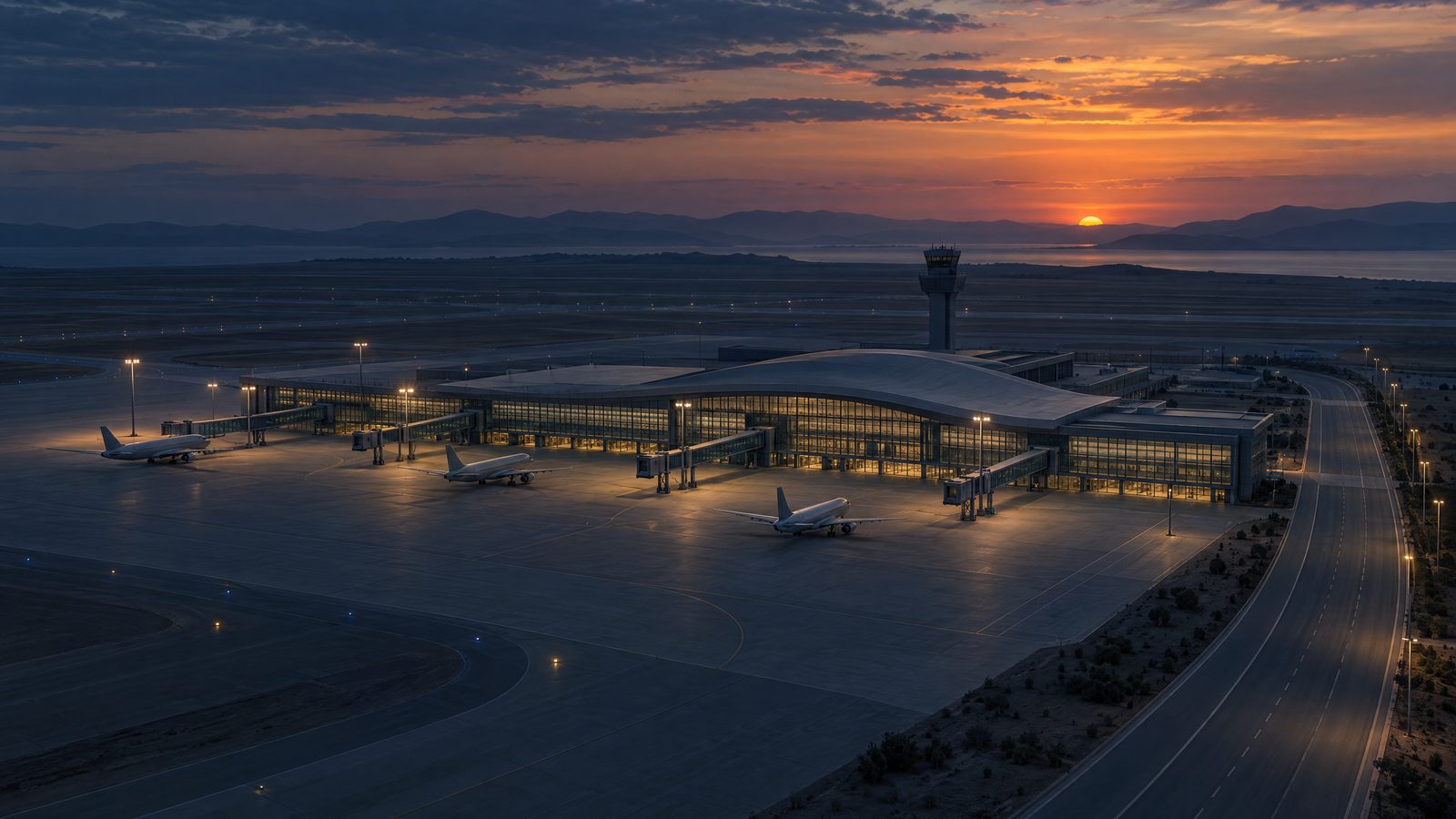
King Khalid International Airport in Riyadh partly reopened on 23 October for domestic services and some international flights operated by national carriers. A limited number of flights usually based in Riyadh are operating from Prince Naif bin Abdulaziz International Airport in Qassim.
King Abdulaziz International Airport in Jeddah and King Fahd International Airport in Dammam were operating at the time of the 28 October update, but passengers could encounter delays and cancellations. That distinction is important: an airport being operational does not mean every scheduled service is running, while an individual cancellation does not establish a general shutdown.
The alert warns US citizens to consider the possibility of further attacks on airports, airspace restrictions, cancelled flights and wider disruption. People with imminent journeys are advised to confirm the status of their own departure directly with the relevant airline and airport rather than relying on a general expectation that services will operate normally.
Who the departure order covers
The departure order has a defined scope. It applies to non-emergency US government employees and US government employee family members in Saudi Arabia. Emergency consular services remained available for US citizens at the time of the update.
Separate restrictions apply to US government employees who remain in the country. They require special authorisation from the Chief of Mission to use any Saudi airport. They are also not allowed to travel within 20 miles of the Yemen border because of safety risks. Additional authorisation is required for travel to the provinces of Jizan, Asir and Najran, and to Qatif, Yanbu and Taif.
Those personnel restrictions should not be treated as a general rule for every traveller. They show the level of caution applied to US government staff, while the public-facing advice focuses on monitoring transport arrangements and following instructions from Saudi authorities.
Road and border options remain available
The alert records that land border crossings, including the King Fahd Causeway to Bahrain, remain operational. It also describes highways and roads in and around Riyadh, Jeddah and Dhahran as operational at the time of the update. Private cars, rail and coach services may offer alternatives to air travel, subject to availability and schedules.
Neighbouring international airports in Bahrain, Jordan, Oman, Qatar and the United Arab Emirates were also described as operational. That is a snapshot, not a guarantee of onward connections or a substitute for checking a specific route before leaving for an airport or border crossing.
Security and legal cautions
The mission advises people to keep phones charged, avoid demonstrations and large gatherings, follow local authority instructions, and remain alert around places publicly associated with the United States. In the event of an aerial attack, its guidance is to stay away from glass, windows and fallen debris.
The alert also draws attention to Saudi restrictions on filming, publishing or sharing information about missile and drone interceptions and impact sites. It notes that people have been detained for failing to follow those restrictions, including through photography of government buildings, airports and impact locations.
No end date for the departure order is given in the new notice, and it does not establish when airport schedules will return to normal. Its central message is more limited: travel arrangements can change at short notice, and individual passengers should verify current conditions immediately before travelling.







