
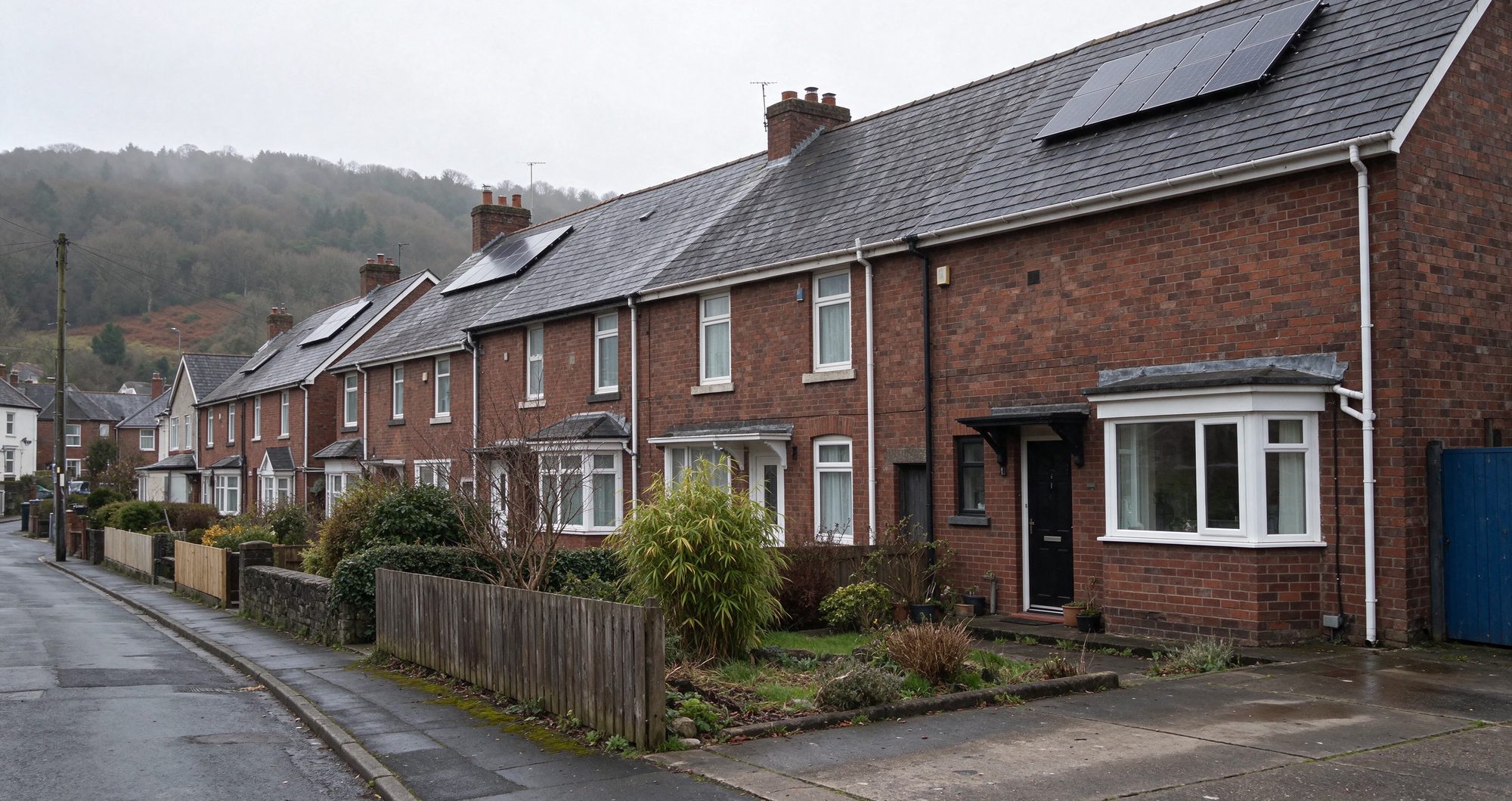

The Welsh Government has announced an additional £19.35 million for home energy improvements this financial year, with funding intended to help households across Wales reduce heating bills and make their homes warmer this winter.
The allocation, announced on 25 November, is divided between two existing programmes. The Optimised Retrofit Programme will receive £15.2 million for work delivered through social landlords, while Nest will receive £4.15 million for free improvements for eligible households on low incomes.
Funding for social homes
The extra money brings the government’s total commitment to the Optimised Retrofit Programme to £122 million for 2026-27. Ministers expect that funding to provide around 11,600 energy-efficiency upgrades to social homes across Wales, including insulation, solar panels and heat pumps.
The 11,600 figure refers to upgrades rather than a confirmed number of individual households. It is the expected total supported by the programme’s annual funding, not the number of improvements financed solely by the new allocation.
The Welsh Government said delivering the work through social landlords enables improvements on a large scale. It also said the programme supports local jobs and workforce training, strengthens clean-energy supply chains and helps develop skills for installing and maintaining energy-saving and low-carbon technologies.
The two programmes serve different parts of the housing sector. The retrofit allocation supports social homes through their landlords, while Nest’s eligibility rules cover people who own their home or rent privately, rather than local authority or housing association tenants.
Help for households on low incomes
Nest’s additional £4.15 million takes investment in that scheme to £42 million this financial year. The government said it would fund free energy-efficiency measures for low-income households most in need, helping with winter costs and reducing their exposure to future energy-price rises.
Siân Gwenllian, the cabinet minister responsible for local government, housing and planning, visited Nest customer Ava Richardson in Merthyr Tydfil this week. The government said Ms Richardson had been left without working heating after her boiler failed.
Nest installed a replacement boiler and loft insulation at her home. The government estimates the improvements will save her £458.81 a year on energy bills. That is an estimate for this particular property, rather than a guaranteed saving for everyone receiving support.
Speaking during the visit, Ms Gwenllian said: “Too many homes in Wales are cold, damp and expensive to heat.” She said investment in housing improvements could reduce bills and carbon emissions together.
Under the government’s published guidance, Nest applicants must receive a qualifying means-tested benefit or meet the scheme’s low-income criteria. Income thresholds vary with household size and composition, and are assessed after mortgage or rental payments.
Homes normally need an energy performance certificate rating of E or below. Properties rated D or below can qualify where someone in the household has an eligible health condition. The guidance says households in D-rated homes without an eligible condition will be placed on a reserve list.
Private tenants must provide their landlord’s details so that permission for work can be requested. Available improvements can include insulation, heat pumps and solar panels. Households without heating or hot water may also qualify for repairs or replacement of boilers or electric storage heaters.
Nest offers free, impartial advice on energy and water tariffs, benefit entitlement and reducing energy use. People who are unsure whether they qualify can call its free helpline on 0808 808 2244, Monday to Friday, from 9am to 6pm.
Separate proposals for next year
The current-year announcement is separate from the Welsh Government’s draft budget for 2027-28, which proposes £180 million for energy-efficiency retrofit and housing decarbonisation schemes. That proposed allocation concerns the next financial year, rather than the additional money announced for this winter.







