

You must be feeling anxious while speaking and smiling if you have unattractive and excessive gaps between your teeth. To fix this issue, several options are there. However, one of the most appealing and highly preferred options is composite teeth bonding for gaps. This is nothing but a cosmetic dentistry procedure that is used to make your smile even more beautiful. In case you are seeking more info, explore this guide to learn about this treatment, its benefits, uses, and other critical aspects.
Understanding Teeth Bonding
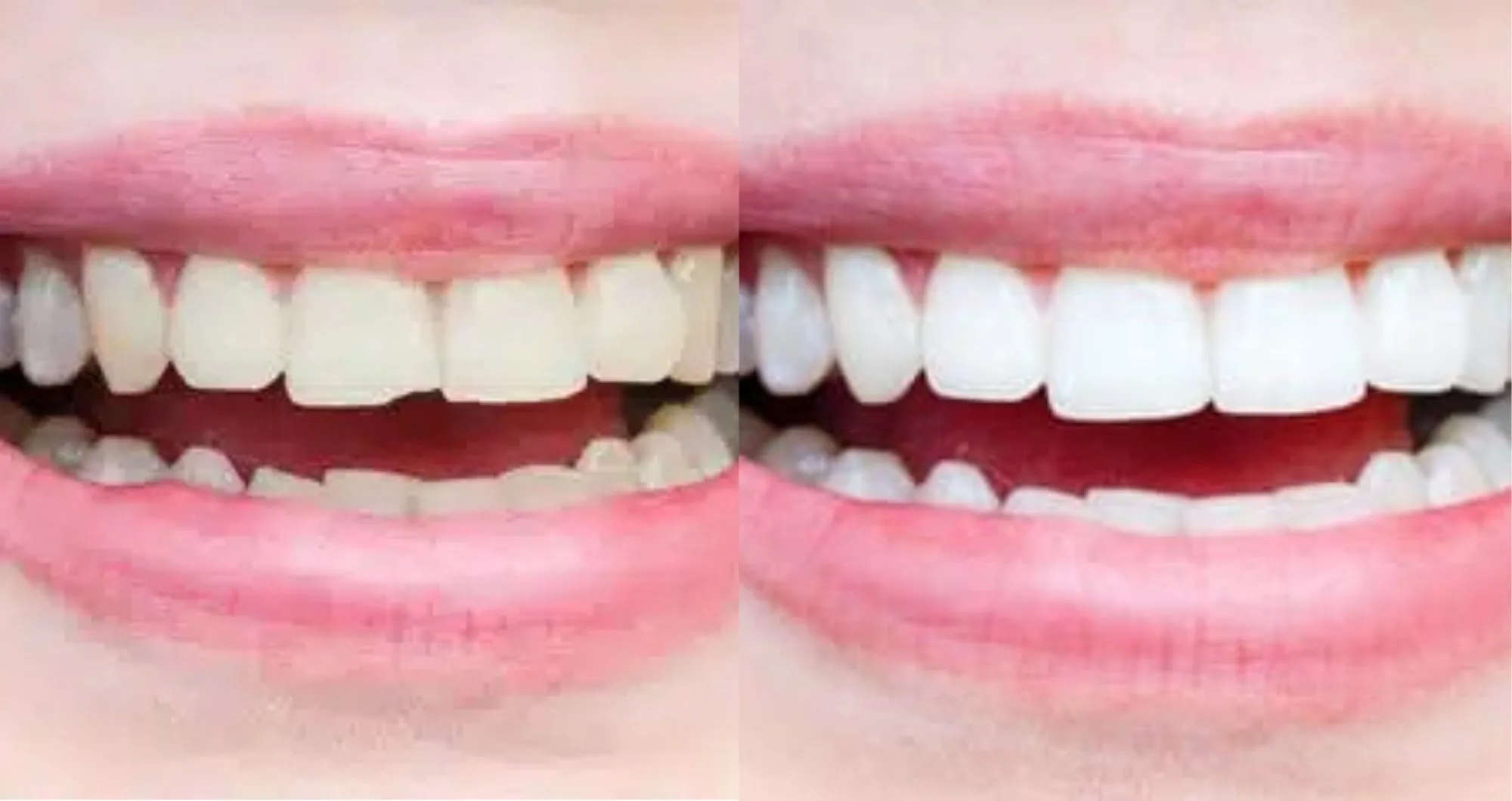
Also known as composite bonding or dental bonding, this is a cosmetic treatment where composite resins are used to fill the gaps between teeth and enhance the smile. In this procedure, a skilled and trained orthodontist uses composite resins matching the shape of your other teeth. Please keep in mind that, unlike other dental cosmetic procedures like porcelain veneers, composite bonding is entirely reversible.
What are the Uses of Composite Teeth Bonding?
Whether you need composite bonding front teeth or others have a gap, your dentist will determine if it is a suitable option for you or not. In general, this dental procedure is recommended for the following:
- Concealing cracks and chips in the teeth.
- Making teeth look better and longer.
- Closing spaces and gaps between the teeth.
- Fixing tooth discolouration.
- Changing the shape or size of a tooth.
In some cases, dental bonding is advised for filling cavities, replacing silver fillings, and preventing the roots of your teeth (caused by gum recession).
Is Dental Bonding a Common Procedure?
In the present scenario, composite bonding is commonly used for filling gaps and other dental cosmetic purposes. Some people consider it as porcelain veneers. But these are completely different procedures. In porcelain veneers, customised ceramic shells are used on the teeth’s front surface. Some enamel is removed to place these veneers.
Speaking about teeth bonding for gaps and other issues, it does not include the removal of enamels. This makes bonding reversible. Furthermore, touch-ups are needed in every 3-10 years so that your dental bonding remains in the right condition.
What is the Procedure for Dental Bonding?
Before dental bonding, the dentist usually sits down with the patients to discuss and understand their cosmetic goals. After this, they will run a dental x-ray to know if their teeth as well as gum can handle the process. In case the patient has a gum disease, tooth decay, or any other oral or dental health issue, they will need to treat the same beforehand.
Once everything is fixed, the following will be included in the treatment process:
- Choosing a shade: The dentist will make the best use of the shade guide to determine the right material and shade for the composite resin. Choosing the right share is necessary to acquire natural-looking teeth.
- Prepare teeth: To begin with the process, the chosen tooth will be roughened. After this, your dentist will apply a conditioning gel or liquid to it. This is an important step to make sure that the bonding resin will strongly stick to the tooth.
- Applying resin material: A layer of the composite resin material will be applied and smoothened to achieve the desired size and shape.
- Material curing: Once the material is placed, a special light is used to harden it. This process is specifically important to ensure proper sticking of the material.
- Tooth polishing: Lastly, the dentist will use certain tools to make the final adjustments. After this, they will polish the composite bonding to fill the gap in the most natural way possible.
IMPORTANT: Generally, the procedure can take up to 30 minutes to 60 minutes per tooth. However, the duration may vary from one dentist to another.
Is Tooth Bonding Painful and What to Expect After the Procedure?
Composite bonding for front teeth and others is not a painful process at all. This is because dentists do not even touch any pain-sensing nerve during the process. This is one of the reasons why local anaesthesia is not required. Yes, some people may feel sensitivity but it goes away on its own. For temporary discomfort, patients may use some over-the-counter (OTC) pain relievers.
To eliminate long-term pain and discomfort, you will be advised to maintain proper oral hygiene. Some common care tips are brushing teeth at least twice with a fluoride paste and a soft toothbrush. Moreover, you should also floss your teeth to make sure nothing is sticking there. Lastly, regular check-ups and deep cleanings are required to rule out any infection or bacterial build-up.
What Makes Dental Bonding a Perfect Treatment?
With this cosmetic dental process, you can expect to have several benefits. Some of them have been discussed below:
- Nominally invasive: Since other procedures such as dental crowns and porcelain veneers need some tooth alternation, tooth bonding is comparatively a safe option that does not require any enamel removal.
- Cost-effectiveness: When comparing the prices of cosmetic dental procedures, you’ll find that dental bonding is much more affordable.
- Versatility: Many think that teeth bonding for gaps only. However, this is just one side of the coin. This is quite a versatile option that can be used to conceal different cosmetic imperfections, discolouration, cracks, chips, etc.
- Quick and easy: For other dental cosmetic treatments, you will need multiple clinic visits. However, composite bonding may be completed in just one clinic visit. Yes, some dentists may ask you to come two or three times before starting with the process.
Closing Remarks
Composite bonding for front teeth is quite a good option as it can hide different issues such as discolouration, cracks, chips, etc. However, this treatment demands a skilled, certified, and trained dentist. For this, you can trust the team of Complete Smiles. The excellent team of orthodontists in the UK can help you make your smile better and brighter.