
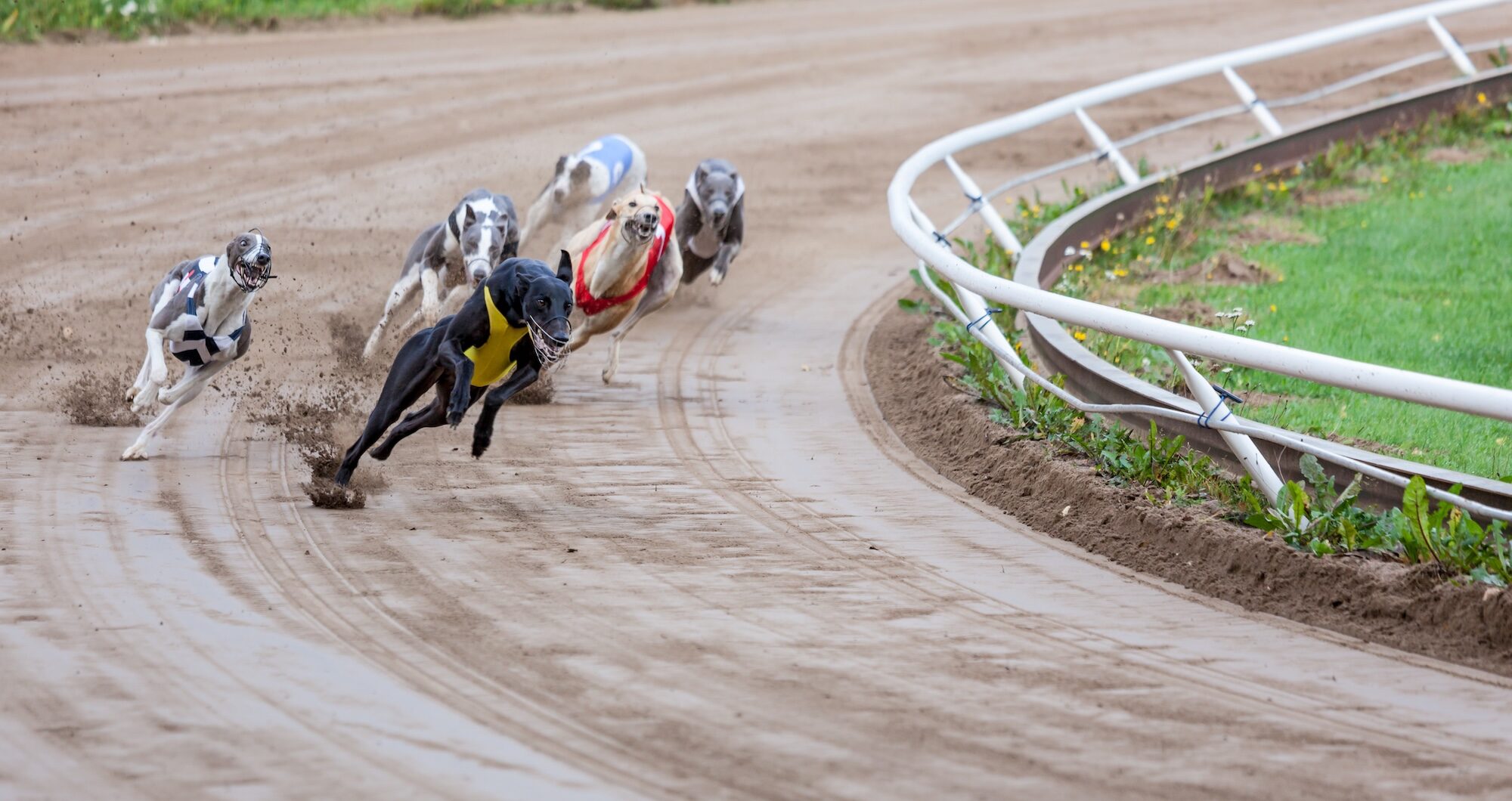

Greyhound racing used to be one of the most popular sports in the city of London. Up until the 1950s, it pulled similar numbers to football. There were several reasons why the attendance and viewership were so high. For starters, these events were very cheap to attend.
During the 1950s, off-site betting was also illegal, and as such, people who wanted to place bets on these races had to be there in person. One of the most iconic venues for greyhound races in the city was White City. Originally built for the 1908 Olympics, White City became a hotspot for these races, and it was even the host of the English Greyhound Derby.
As time went on, the popularity of these races declined, and many greyhound tracks became unprofitable. We’re going to take a closer look at the reason why greyhound tracks started closing, what their current status is, and whether there’s a solution for the sport itself.
Online Betting and Residential Development Drove Greyhound Tracks Away
Back in the day, being able to place a bet on the races was a major reason why so many people were visiting greyhound races. These days, betting in the UK is regulated by the Gambling Act 2005, which states that online sportsbooks are legal.
In other words, every person is now able to bet on greyhound races from their smartphone or desktop device. You just register at greyhound bookies, find your race and place your bet. These platforms accept multiple payment methods as deposit and withdrawal options, giving you plenty of flexibility.
You’re not just limited to one greyhound event. You can bet on pretty much any greyhound race that you can think of. These bookies feature races from all over the world and, in doing so, you’re provided with a variety of choices.
There’s also the issue of residential building development. In the period between 1980 and the early 2000s, the stadiums themselves became far more valuable as property development areas, rather than hosts of sports events.
The majority of these stadiums were torn down, and the property was used to build housing units. White City and Harringay are the best examples of this redevelopment. One of the few exceptions is Crayford, but not because the track remained open.
It was resold in the 1980s and reopened as a smaller track. However, the declining interest led to its demise, as the track is now closed. A big portion of the property is now left to rot.
The Main Closers And London’s Only Survivor for Greyhound Races
Crayford was the latest of all the greyhound racing tracks to close shop. It did so in 2025. Wimbledon was one of the most historic tracks for greyhound races, but it closed in 2017. Walthamstow closed shop in 2008, and the whole area was redeveloped. Wembley held its last race in 1998.
White City and Harringay were the first tracks to feel the decline of the sport as they went out in the 80s. White City closed in 1984, and Harringay closed three years later.
The only stadium that is currently open in London is Coral Romford Greyhound Stadium. After the closure of Crayford, it became the lone spot where people can watch greyhound races. In 2019, the stadium was refurbished and even though races are known to be cancelled at the last minute, there are several events per week, most of which take place on Friday, Saturday, and Sunday.
The Future of Greyhound Races
Statistics show that greyhound stadiums will continue to decline as most people prefer watching the races and betting on them via online bookies. Add the fact that the online betting industry in the UK is among the most developed in the world, and it’s easy to conclude why these stadiums are being closed at such a high rate.
According to the UKGC, the online casino, betting, and bingo sector had a 6.9% YoY increase in the period between April 2025 and March 2026. In 2025-26, online betting and gambling was responsible for 47.50% of the total GGY. One thing that’s important to mention is that online betting in itself has likely reached its peak, as it hasn’t shown any growth as a standalone form of gambling between 2025 and 2026.
Feature image by Juhku from AdobeStock







