
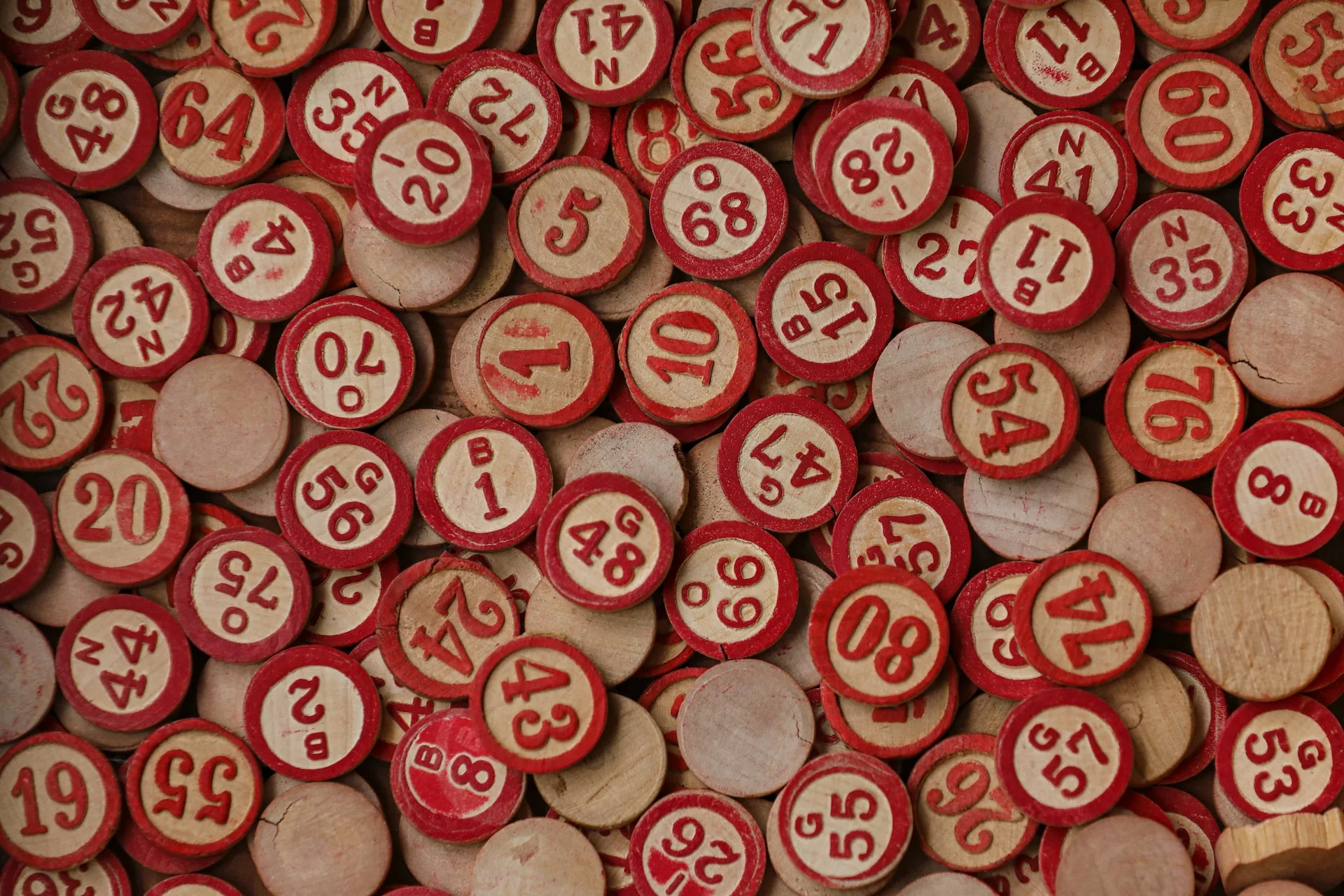

Have you tried your hand at bingo recently? It might’ve been around for decades in the UK after legalisation in 1960, but this classic game still earned over £1,000 million in revenue in the last full pre-pandemic year.
Changing consumer habits caused many analysts to predict its death in the 2000s and 2010s. But bingo has evolved significantly over the years to survive and now thrive, with a huge range of games and places to play.
Below, let’s take a deeper dive into why bingo is still going strong in the UK today.
Internet gambling
The internet has undoubtedly transformed many areas of life – including gambling and, by extension, bingo. While traditional bingo halls began to dip in popularity through the late 1900s and early 2000s, the rise of online bingo allowed people to play from the comfort of their homes, whenever they wanted.
This increased accessibility has lured more people to pick up their phones or log onto their computers and try their luck without needing to travel. You don’t lose the community element either, with chat rooms still allowing players to socialise at the same time.
Variety of game modes
Classic bingo will always remain in its true form, specifically the 90-ball format. But there’s nothing wrong with a little variety – and people are constantly coming up with new variations and themes of bingo to play.
Speed modes, seasonal variations and celebrity or culture-themed modes now offer players a host of options to suit their playing style or schedule and mix things up. Cheaper options like penny bingo also open the door to those who want to enjoy the game for the fun of it but have a lower budget.
Bingo hall revivals
A traditional, fully operational bingo hall may be a rarer sight than it used to be in the UK. Many towns and cities are home to now-abandoned centres. But in-person bingo events are still going strong – and in lots of weird and wonderful ways!
New types such as rave and drag bingo are helping attract diverse audiences, combining the classic game with lively nights out. Many are taking over unconventional spaces too such as pubs, clubs and even music festivals, attracting full houses in the process.
TV and radio endorsements
At one point Bingo had developed an image as a dull, fusty sport for pensioners. But a wide rebranding through the 2000s, aided by a series of celebrity endorsements, helped reframe it for new and old audiences alike.
It’s now normal to see bingo adverts on primetime TV slots, as well as on targeted YouTube videos, website banners and in-app mobile ads, meeting potential players where they hang out.
With all these factors in its favour, we like the odds of bingo sticking around for a while longer yet!
Feature image by Mick Haupt on unsplash







