
When it comes to ensuring a reliable power backup for commercial areas, choosing the right battery is crucial. With various options available, businesses must consider factors like cost, efficiency, space, and maintenance. This article will guide you through the comparison of lead-acid and lithium-ion batteries, helping you determine the best choice for your commercial needs.
The Role of Inverter Batteries in Commercial Spaces
Inverter batteries from the best lithium battery manufacturer are essential for providing backup power during outages, making them indispensable for businesses, shops, offices, and showrooms. The average cost of high-quality inverter batteries in India ranges between ₹15,000 and ₹2,50,000. Given the critical nature of power reliability in commercial settings, it’s important to choose a battery that not only meets performance needs but also fits within space and budget constraints.
Comparing Lead-Acid and Lithium-Ion Batteries
When selecting a battery for commercial applications, understanding the differences between lead-acid and lithium-ion batteries is key. Here’s how they stack up:
- Size and Weight: Lead-acid batteries are notably heavier and bulkier. Typically, a single lead-acid battery weighs around 57 kg, and using multiple batteries can easily exceed 200 kg. This bulkiness can be a significant disadvantage in commercial areas where space is at a premium, especially if rental costs are as high as ₹100,000 per month.
- Maintenance Requirements: Lead-acid batteries require regular maintenance. This includes checking and refilling electrolyte levels and dealing with potential corrosion. Additionally, they emit gases that can be harmful and may require special ventilation to prevent damage to the surroundings and health hazards for users.
- Efficiency and Durability: Lead-acid batteries tend to have a shorter lifespan and can suffer from reduced efficiency in extreme temperatures. Regular maintenance is needed to ensure they function optimally, particularly during the hot summer months.
Benefits of Lithium-Ion Batteries
https://www.youtube.com/watch?v=aMJcNbBr52c
Lithium-ion batteries present several advantages that make them a preferred choice for commercial applications:
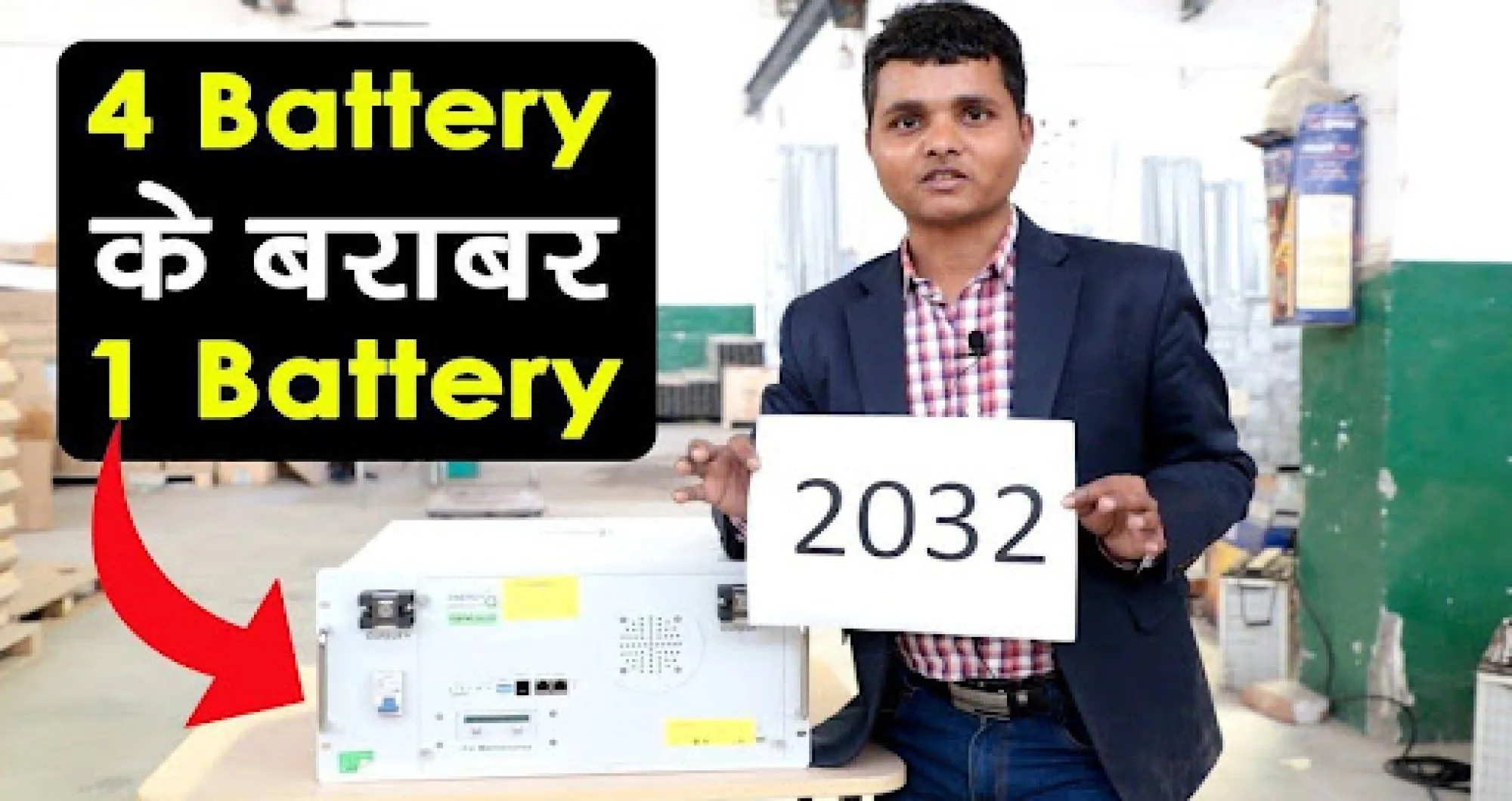
- Space Efficiency and Weight: Lithium-ion batteries are significantly lighter and more compact compared to lead-acid batteries. For instance, a lithium-ion battery with a 5 kW capacity weighs only about 45 kg, whereas four lead-acid batteries would weigh over 200 kg. This space-saving feature is especially beneficial in commercial environments where floor space is valuable.
- Low Maintenance: One of the standout benefits of lithium-ion batteries is their minimal maintenance requirement. They do not need regular water refills, and their sealed design prevents the emission of harmful gases, reducing the need for special handling and ventilation.
- High Efficiency and Longevity: Lithium-ion batteries offer superior efficiency and a longer lifespan. They operate effectively across a wide range of temperatures and have a significantly longer service life compared to lead-acid batteries, often lasting up to twice as long.
Cost Analysis
While lithium-ion batteries have a higher upfront cost compared to lead-acid batteries, they often result in lower overall costs due to their durability and reduced maintenance needs. Here is a breakdown of typical lithium battery price:
- CAML 6 Ah / 75 Wh: ₹2,250
- CAML 12 Ah / 150 Wh: ₹4,500
- CAML 20 Ah / 250 Wh: ₹7,500
- CAML 30 Ah / 385 Wh: ₹11,550
- CAML 40 Ah / 500 Wh: ₹15,000
- CAML 20 Ah / 1,000 Wh: ₹30,000
- CAML 40 Ah / 2,000 Wh: ₹60,000
- CAML 100 Ah / 5,000 Wh: ₹1,50,000
Choosing the Best Option
For commercial areas, the advantages of lithium-ion batteries often outweigh those of lead-acid batteries. Despite their higher initial cost, lithium-ion batteries offer greater efficiency, require less maintenance, and save valuable space. These benefits can make a significant difference in the long-term operational costs and overall effectiveness of power backup solutions.
In conclusion, while lead-acid batteries may offer a lower initial investment, lithium-ion batteries provide superior performance, space efficiency, and lower maintenance requirements. For businesses looking to invest in a reliable and efficient power backup system, lithium-ion batteries represent the best choice for long-term success and operational reliability