

Scaling up six specific climate and health measures could prevent 1.6 million deaths a year, equivalent to one in 40 deaths worldwide, according to a World Health Organization report published on 4 November.
The report, Global benefits and costs of prioritized actions on climate change and health, models the effects of the measures between 2024 and 2075 and also estimates they would avoid 16.7 billion tonnes of carbon dioxide, about 31 per cent of annual global greenhouse gas emissions excluding land use.
The six actions
The measures are heat-health warning systems, climate-resilient drinking water, basic sanitation and hygiene including handwashing, cleaner fuels for household cooking and heating, efficient fossil fuel pricing, and the associated air quality benefits that follow from each.
They are not novel technologies. Most are established public health interventions that many high-income countries already operate and that low and middle-income countries have struggled to fund at scale.
The economic case is the report’s central argument. Across five of the actions, one dollar invested returns 24 dollars in health and economic benefits, with higher returns in low and middle-income countries. Heat-health warning systems alone return 835 dollars for every dollar spent, because they are cheap to run and reach large populations quickly.
Why the numbers are so large
Most of the deaths prevented come from household air pollution and from inefficient fossil fuel pricing. The report estimates that pricing fossil fuels to reflect their health and environmental costs would prevent 1.2 million deaths a year and generate $3tn in welfare benefits and $5.4tn in fiscal benefits annually.
That is a policy recommendation rather than a technical one, and it is the element most likely to be contested by governments facing the political cost of higher energy prices. The report’s authors argue that the revenue can be recycled to households, which is what several countries have done when introducing carbon pricing.
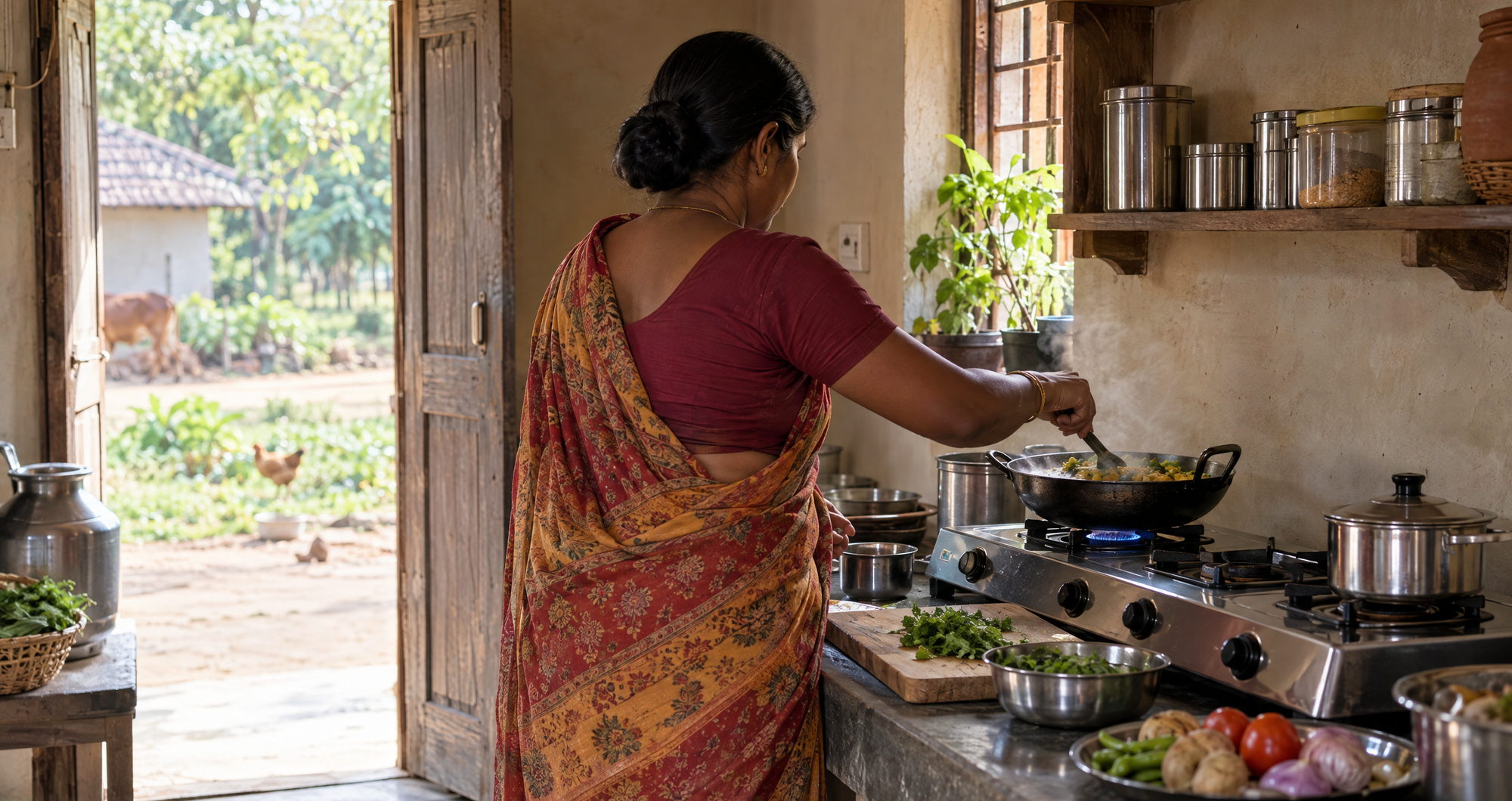
The water, sanitation and cooking measures address risks that are well understood. Dirty cooking fuels cause respiratory disease, particularly among women and children; unsafe water causes diarrhoeal disease; poor sanitation spreads infection. Each has a proven intervention and a funding gap.
The political context
The report was released ahead of COP31 in Antalya, where health is expected to feature more prominently than in previous conferences. The WHO’s argument is that health spending should be treated as part of climate adaptation rather than as a separate budget line.
That argument has gained ground as the costs of extreme weather have shown up in hospital admissions and insurance claims. It remains difficult to sell in finance ministries, where prevention competes with visible spending commitments and where the benefits accrue over decades.
The report’s modelling runs to 2075, a horizon that makes the results sensitive to assumptions about population growth, warming trajectories and the speed of implementation. Its authors present the estimates as indicative rather than precise, and the ranking of measures as more robust than the totals.
What it means
The practical implication is that the health benefits of climate policy are concentrated in a small number of interventions that are cheap relative to the damage they prevent. That is a different argument from the one usually made about decarbonisation, which focuses on long-term temperature targets.
For health systems, the report suggests that investment in warning systems, clean cooking and water infrastructure should be planned alongside hospital capacity, because the same populations are affected and the same budgets pay for both. For governments, it offers a case for spending that does not depend on accepting a particular climate scenario.







