
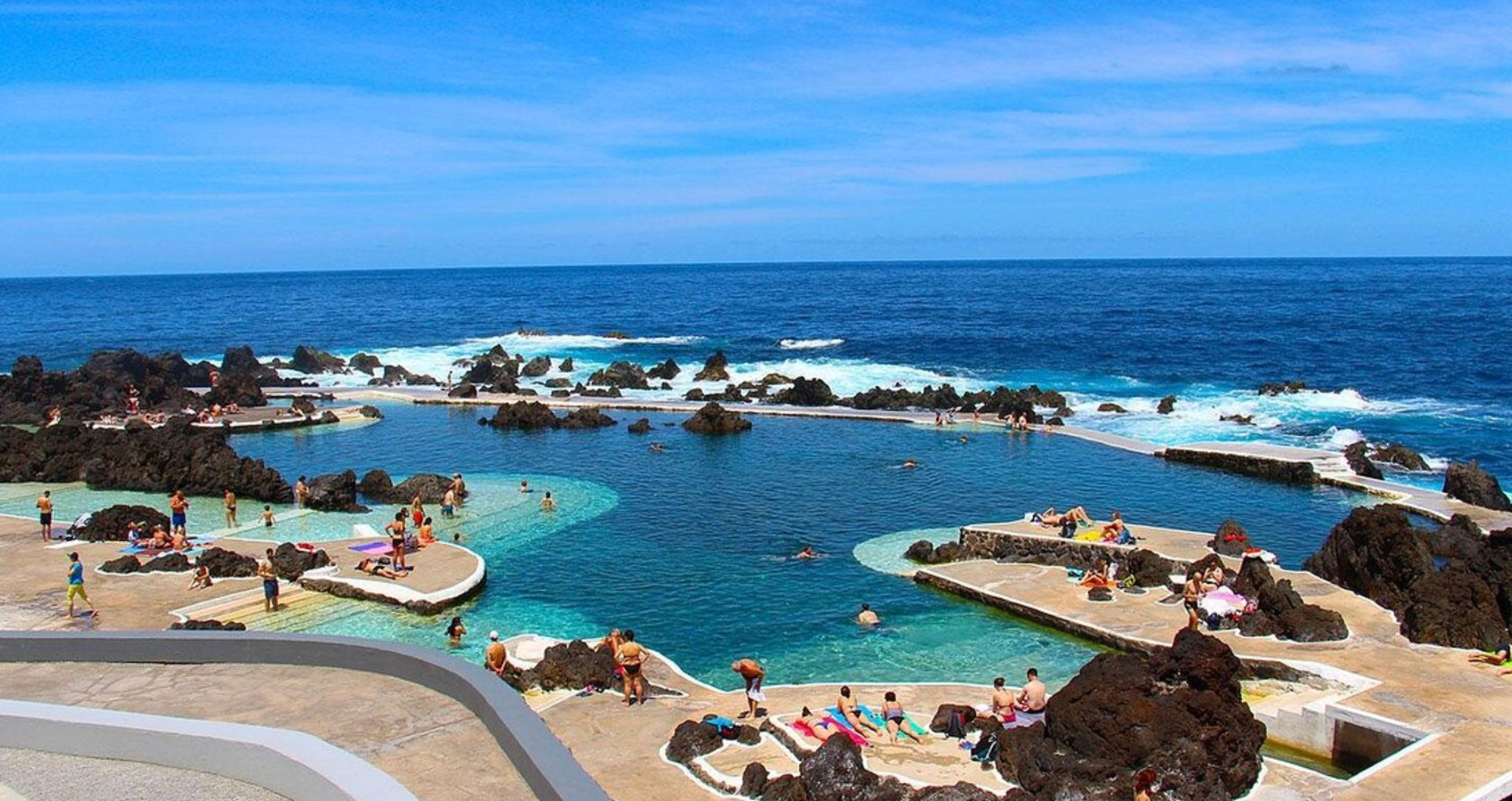

The Instagram algorithms have failed Madeira spectacularly. While influencers flock to Santorini sunsets and Swiss alpine panoramas, this Portuguese archipelago 600 miles off the African coast remains stubbornly underexposed – which is precisely why serious hikers are booking flights.
British outdoor enthusiasts, in particular, have discovered what package tourists miss entirely: Madeira offers some of Europe’s most distinctive walking experiences, year-round accessibility, and trails that make the Lake District feel positively tame.
We’ve asked for the collaboration of a Madeira tours agency, Madeiratours.org, in order to understand better this recent phenomenon of Madeira placing as the main go to place for hiking in Europe.
The Levada System: Engineering Meets Adventure
Understanding why Madeira captivates hikers requires understanding what makes the island geologically unique. Rising dramatically from the Atlantic, this volcanic landmass channels rainfall from its cloud-wrapped peaks through an intricate network of irrigation channels called levadas.
Built over centuries starting in the 1400s, these water channels snake along mountainsides, through tunnels, and across terrain that would otherwise be inaccessible. The paths alongside them – originally maintenance routes for channel workers – have become hiking trails unlike anything found elsewhere in Europe.
Walking a levada trail means moving through microclimates within hours. Morning might begin in humid laurisilva forest – a UNESCO-protected ecosystem of ancient laurel trees draped in moss. By midday, the same trail could emerge onto exposed cliffsides with views stretching to the horizon. The consistency of the levada gradient means these transitions happen without the brutal ascents that define alpine hiking.
For British walkers accustomed to the soggy predictability of domestic trails, the experience is revelatory.
Why Now? The Post-Pandemic Outdoor Shift
Several trends converge to explain Madeira’s rising popularity among UK hiking communities:
- Flight Accessibility: Direct flights from multiple UK airports put Madeira within four hours of departure gates. Weekend hiking trips become genuinely feasible – a claim few European mountain destinations can make.
- Year-Round Viability: While the Alps close for shoulder seasons and the Scottish Highlands disappear under winter cloud, Madeira maintains walkable conditions twelve months annually. January temperatures rarely drop below 15 °C at sea level. Even in summer, altitude provides relief from continental heat.
- Skill-Level Inclusivity: Madeira offers everything from gentle two-hour levada strolls to multi-day peak traverses requiring scrambling experience. Families, casual walkers, and serious trekkers can all find appropriate challenges.
- Value Proposition: Compared to Swiss chalets or Austrian ski towns repurposed for summer hiking, Madeira accommodation and dining remain remarkably affordable. The exchange rate advantages of the eurozone travel compound these savings.
Signature Routes: What the Guidebooks Recommend
Several trails have achieved near-mythic status among regular Madeira visitors:
Pico do Arieiro to Pico Ruivo
This ridge traverse between Madeira’s third and first highest peaks represents the island’s most dramatic hiking experience. The route follows exposed ridgelines, passes through hand-carved tunnels, and navigates terrain that feels genuinely alpine despite altitudes below 2,000 metres.
Clear mornings offer views across the entire island, while afternoon clouds often roll in below the trail, creating the surreal sensation of walking above weather. The full traverse takes 4-6 hours depending on pace and conditions.
Experienced hikers rate this among Europe’s finest day walks – a claim that sounds hyperbolic until you’ve stood on the knife-edge sections watching clouds break against cliffs below.
Levada do Caldeirão Verde
For those seeking the quintessential levada experience without technical demands, this trail delivers. Beginning in the village of Queimadas, the path follows irrigation channels through primary laurel forest to a dramatic waterfall plunging into a natural amphitheatre.
The walking itself presents minimal difficulty, but the environment transforms expectations. Daylight filters green through the canopy. Tree heather grows to heights that would shame mature oaks elsewhere. The dampness and stillness recall rainforests more than European woodlands.
Resources like the ones from MadeiraHiking.org provide detailed trail information including current conditions, difficulty assessments, and logistical details that help visitors plan appropriate routes for their experience levels.
Ponta de São Lourenço
Contrasting sharply with Madeira’s forested interior, this eastern peninsula offers exposed coastal walking across semi-arid terrain. The landscape feels transported from the Canary Islands – volcanic rock formations, sparse vegetation, and dramatic drops to churning Atlantic waters.
The out-and-back route covers roughly 8 kilometres and suits walkers wanting ocean views without forest immersion. Late afternoon light paints the volcanic rock in colours impossible to capture accurately in photographs.
Planning Logistics: What UK Visitors Need to Know
Getting There and Around
Funchal airport receives direct flights from London, Manchester, Birmingham, Bristol, and Edinburgh. Flight times range from 3.5 to 4 hours depending on origin.
Public transport exists but serves hiking needs inconsistently. Most visitors either rent cars or arrange transfers through local services. The island’s size – roughly 57 kilometres end to end – makes drive times manageable regardless of accommodation location.
For comprehensive tour options and transfer arrangements, MadeiraTours.org consolidates available services and helps visitors coordinate logistics without navigating Portuguese-language booking systems.
Accommodation Strategy
Funchal provides the widest range of accommodation options, but serious hikers often prefer staying in the island’s north or interior. Towns like Santana, São Vicente, and Ribeira Brava position visitors closer to trailheads while avoiding tourist concentration.
Agricultural tourism properties – quintas – offer atmospheric alternatives to hotels. Many occupy historic estates with terraced gardens, wine production facilities, and views that justify visiting even without hiking ambitions.
Weather Considerations
Madeira’s weather deserves respect. The same topography that creates spectacular trails also generates rapid meteorological changes. Cloud can roll in within minutes, transforming clear ridges into visibility-limited traverses. Higher altitude routes frequently experience conditions dramatically different from coastal forecasts.
Experienced Madeira hikers carry layers regardless of base conditions and check webcam feeds from summit areas before departing for exposed routes.
Seasonal Patterns
- December-February: Cooler temperatures, higher rainfall probability, excellent for forest walks, possible snow at peaks
- March-May: Wildflower season, generally stable weather, comfortable temperatures at all altitudes
- June-August: Driest period, higher temperatures at lower elevations, morning starts recommended
- September-November: Transitional conditions, fewer crowds, occasional weather systems
The Social Element: Hiking Community on Island
Unlike isolated mountain destinations where walkers might complete entire routes without encountering others, Madeira’s trail network facilitates community. The same levada paths attract local walkers, resident expats, and visitors from across Europe.
Trail etiquette develops quickly. Greeting fellow walkers becomes automatic. Route recommendations pass between strangers at viewpoints. The shared experience of navigating tunnel sections by headlamp creates temporary camaraderie that dissolves upon return to civilisation.
For solo travellers, this social dimension reduces the isolation that can characterise outdoor pursuits. For couples and groups, it adds unexpected encounters to planned itineraries.
Beyond the Trails: The Broader Madeira Experience
Hiking-focused visitors often underestimate how effectively Madeira fills non-walking hours:
- Culinary Dimension: Espetada (beef skewers), bolo do caco (garlic bread), and poncha (sugar cane rum cocktail) anchor a food culture distinct from mainland Portugal. Post-hike meals become events rather than refuelling stops.
- Wine Heritage: Madeira wine – the fortified variety that survives any storage condition – merits exploration beyond restaurant dessert pairings. Historic lodges in Funchal offer tastings and tours explaining production methods unchanged for centuries.
- Botanical Interest: Subtropical climate and historical trade connections filled Madeira with plant species from across the globe. The Monte Palace gardens alone justify a full day, showcasing collections that northern European botanic gardens envy.
- Ocean Activities: When legs need recovery, boat trips for whale and dolphin watching, diving excursions, and coastal cruises provide alternative programming.
Making the Decision
For British hikers evaluating Madeira against more established destinations, the calculation involves trade-offs:
- Versus the Alps: Madeira lacks the scale and technical challenge of alpine environments but offers year-round accessibility, lower costs, and unique terrain found nowhere else.
- Versus Domestic Options: Flight times comparable to reaching the Scottish Highlands from southern England, but guaranteed better weather and dramatically different scenery.
- Versus Canary Islands: Similar flight times and subtropical climate, but Madeira’s vertical terrain and trail network substantially exceed what Tenerife or Gran Canaria provide.
The honest assessment: Madeira doesn’t replace alpine ambitions or satisfy desires for above-treeline exposure at scale. What it offers is something different – walking experiences that combine accessibility with distinctiveness in ways that keep hikers returning annually.
First-time visitors frequently arrive planning a single trip and leave booking return flights. The levada trails, in particular, have a quality of infinite exploration – dozens of routes, each with variations, each revealing different facets of an island that rewards repeated attention.
For British outdoor enthusiasts seeking alternatives to familiar paths, Madeira deserves serious consideration.
Have you walked Madeira’s levadas? Share your favourite routes in the comments below.







