
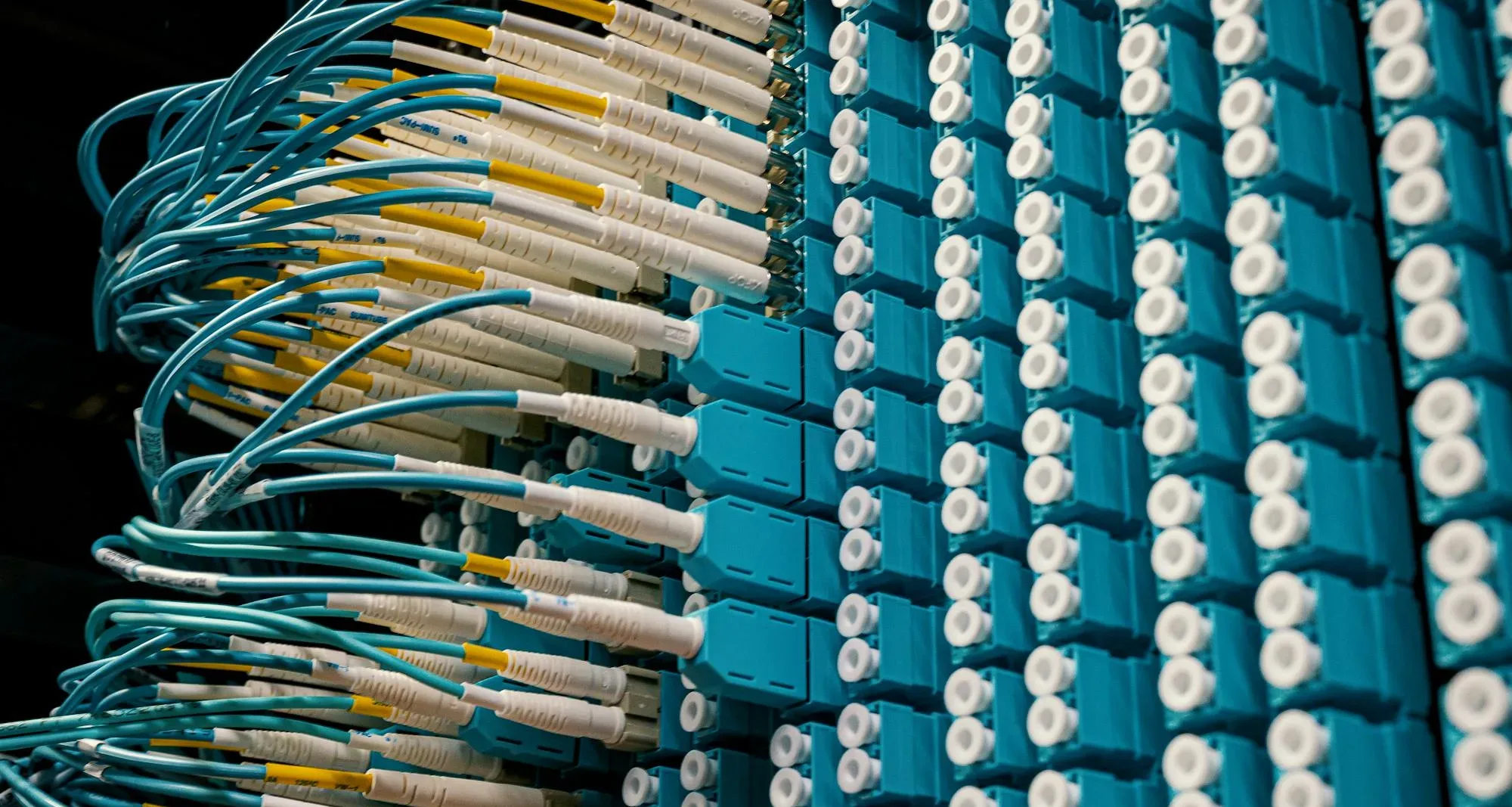

In today’s digital era, the demand for faster and more reliable networking solutions has surged exponentially. Both residential and commercial environments increasingly rely on high-speed internet to support activities such as streaming high-definition content, facilitating real-time collaboration, and managing smart home devices. This growing need highlights the importance of robust network infrastructure, with Category 6 (Cat6) Ethernet cables emerging as a critical component in meeting these requirements.
The Rising Demand for High-Performance Networking The proliferation of data-intensive applications has transformed networking needs across various sectors. Businesses are leveraging cloud-based services, conducting video conferencing, and transferring large-scale data, all of which require substantial bandwidth and low latency. At the same time, households are integrating multiple smart devices, streaming ultra-high-definition videos, and engaging in online gaming, further amplifying the demand for dependable and fast internet connections. Traditional networking solutions, such as Category 5e (Cat5e) cables, are increasingly inadequate in addressing these evolving demands. As a result, there is a compelling need for advanced cabling systems that can deliver higher data transfer rates and enhanced reliability.
Cat6 Cables
A Preferred Choice for Performance and Efficiency Cat6 cables have gained prominence due to their superior performance capabilities. They are engineered to support higher data transmission speeds and greater bandwidth compared to their predecessors, making them suitable for both current applications and future technological advancements.
Key Advantages of Cat6 Cables:
- Enhanced Data Transfer Speeds: Cat6 cables support data transfer rates of up to 10 Gigabits per second (Gbps) over short distances, facilitating rapid and efficient data exchange. –
- Increased Bandwidth: With a bandwidth capacity of up to 250 MHz, Cat6 cables can handle a higher volume of data traffic, reducing latency and improving overall network performance. –
- Reduced Crosstalk and Interference: The design of Cat6 cables includes tighter twists and improved shielding, which minimize electromagnetic interference and crosstalk, ensuring a more stable and reliable connection.
- Understanding Cat6 Cables: Design and Differentiation Cat6 cables consist of four twisted pairs of copper wires, similar to earlier Ethernet cables, but with notable enhancements. The tighter twisting of the wire pairs and the inclusion of a central spline or separator reduce crosstalk and enhance signal quality.
- Differences Between Cat6 and Previous Ethernet Cable Types: Cat5e vs. Cat6: While both Cat5e and Cat6 cables support Gigabit Ethernet, Cat6 offers higher bandwidth (250 MHz compared to 100 MHz) and supports speeds of up to 10 Gbps over shorter distances, providing better performance for data-intensive applications.
- Cat6 vs. Cat6a: Cat6a (Augmented Category 6) cables extend the capabilities of Cat6 by supporting 10 Gbps speeds over longer distances (up to 100 meters) and offering increased bandwidth of up to 500 MHz. However, Cat6a cables are typically thicker and less flexible than Cat6 cables, which may impact installation considerations.
- Key Features and Benefits of Cat6 Cables – Future-Proofing Networks: Investing in Cat6 cabling ensures compatibility with emerging technologies and higher-speed networking standards, providing a scalable solution for future network expansions.
- Power over Ethernet (PoE) Support: Cat6 cables can efficiently deliver power to devices such as IP cameras and wireless access points, simplifying installations and reducing the need for additional power sources.
- Backward Compatibility: Cat6 cables are compatible with existing Cat5 and Cat5e infrastructure, allowing for seamless integration into current networks without the need for complete overhauls.
Why Cat6 is the Future of High-Performance Networking
The escalating demand for high-speed and reliable network connectivity positions Cat6 cables as a cornerstone for future networking solutions. Their ability to support higher data rates, coupled with improved performance metrics, makes them ideal for accommodating the growing array of connected devices and data-intensive applications.
As technologies such as the Internet of Things (IoT), virtual reality, and cloud computing continue to evolve, the necessity for robust and scalable network infrastructure becomes paramount. Cat6 cables provide the requisite performance and reliability to support these advancements, ensuring that networks remain resilient and capable of meeting future demands.
Conclusion
In conclusion, transitioning to Cat6 cabling is a strategic investment in the future of high-performance networking. Cat6 cables provide superior data transfer speeds, increased bandwidth, and enhanced reliability, effectively meeting the current and future needs of both residential and commercial networks. As the digital landscape continues to evolve, adopting a Cat6 infrastructure ensures that networks are well-equipped to handle emerging technologies and the growing demand for faster, more reliable connectivity. For anyone considering an upgrade to their network infrastructure, choosing Cat6 cabling is a wise step toward establishing a future-proof, high-performance network environment.
Author Bio:
Lucia is an experienced digital marketing professional with 10 years of experience in digital marketing, specialising in the telecommunications industry and currently working for Netceed UK, a leading supplier of cables and cable accessories.







