
Millennials have been the punchline of generational jokes for many years. People may recommend saving money by skipping coffee runs or avocado toast, but the financial hardships facing millennials are far more significant than the average splurge at a coffee shop. You may be among the many young adults with economic anxiety related to these financial struggles.
1. They Can’t Put Money Away
The cost of living and a person’s annual income are the first two factors to consider when learning about economic anxiety among millennials. The average millennial makes between $55,219–$72,468 yearly, while the cost of living averages around $66,928 for annual expenditures.
Many millennials live below that cost of living, which is even higher in states and cities with more significant increases in consumer goods. Young adults are struggling to pay their bills. If they can’t pay their monthly bills, they won’t have extra money to put away in savings accounts.
A recent survey found 25% of millennials have less than $5,000 in a retirement account. Research also shows that among people 26-41, millennials have $14,000 saved for emergencies, largely due to workplaces allowing people to work from home in 2020.
It took a pandemic to help millennials put any significant amount of money away for emergencies and retirement. No one should have to rely on a generational crisis to have any extra money left over each month.
2. They Can’t Afford Medical Emergencies
Health insurance is a crucial necessity in the modern world. Rising healthcare costs and skyrocketing fees for medical procedures can land anyone in a lifetime of debt. Insurance plans make it possible to access free preventive care and affordable clinic visits, but those aren’t the issues that make millennials anxious.
The most recent data shows that 66% of millennials have health insurance, but they still worry about the debt that comes from needing medical help. They may have a higher deductible to keep monthly payments low, but they don’t have the savings to meet that deductible if a car accident or unexpected diagnosis occurs.
Young adults also worry about services not covered by their insurance, which changes for each provider. Some don’t pay for the hundreds of dollars hospitals charge for an ambulance ride to the hospital. They don’t know if their appointment will require new medical technologies not covered by their insurance plan or prescription drugs outside their listed coverage.
Economic anxiety can also stem from a lack of access to mental health care. Some insurance tiers don’t include coverage for therapy, even though 60% of men and 50% of women have experienced trauma that needs healing. Recognizing that they can’t afford the treatment they need would cause anyone to spiral into anxious thoughts about never getting help.
What’s more, many millennials worry they cannot afford healthy food, thus leaving them more susceptible to food insecurity and heightened health risks. The U.S. Department of Agriculture found almost 40% of Americans to be experiencing food insecurity in 2020 alone – and a large number of them were young adults.
3. They Can’t Escape Debt
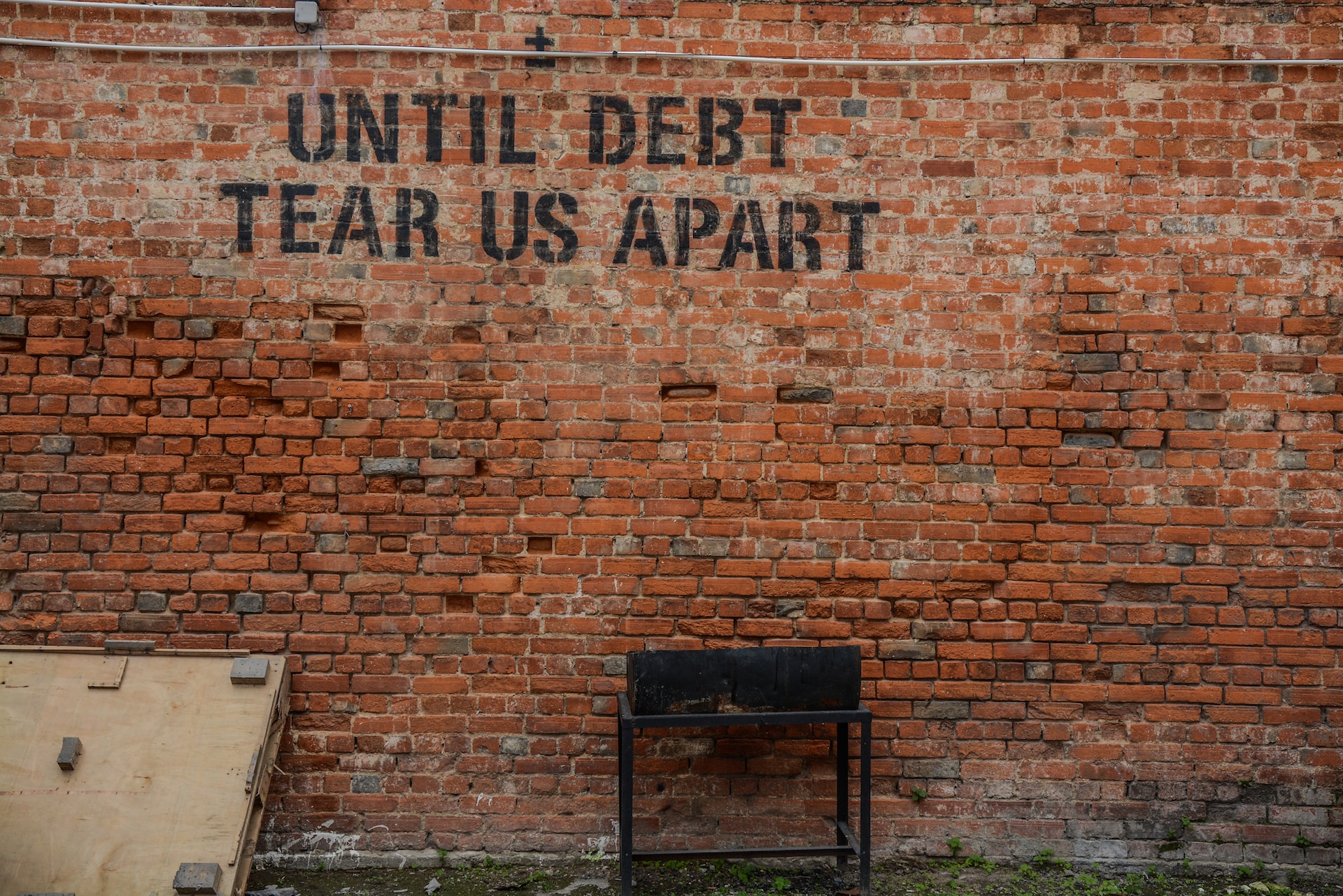
Previous generations may have grown up viewing debt as a personal fault. Millennials don’t have that luxury. Debt is a standard part of life that weighs heavily on the generation with more student loans and credit card payments.
Millennials have an average of $33,173 of student debt per borrower, which can result in monthly payments higher than rent or mortgage fees due to high-interest rates. They may also pay their bills with credit cards to afford groceries and gas. A survey found that 72% of millennials have non-mortgage debt averaging $117,000 per person.
When these numbers are apparent, it’s understandable that economic anxiety among millennials is high. You’re not alone if you worry about paying bills and drowning in debt without emergency or retirement savings waiting for a rainy day.
4. They Can’t Start Families
Even with over 75% of employers offering remote work, starting and raising families feels out of reach for many millennials. Researchers found that 17% of survey respondents cited financial reasons for not having kids. The average out-of-pocket charges for in-hospital births can reach over $3,000 per child, while the care without insurance tops $26,000 if the delivery goes perfectly.
Those numbers are staggering for millennials who can’t pay their bills or find extra money to put into savings accounts. They’re significantly contributing to people not starting the families they dreamed about, which causes economic anxiety and feelings of panic.
5. They Can’t Get Out of Renting
Many people recommend buying a home to improve your financial situation. Your monthly mortgage payments are reinvested into your home because you can get that money back if you sell your property. Renters throw money at their monthly rental bill and never get it back again.
Moving from renting to homeowning was much easier for people from previous generations. Now millennials don’t have the extra money to save for down payments. The funds that would pay for their first homes are going to student loans, credit card bills and emergencies they don’t have savings to cover.
It took until 2022 for millennial homeowners to finally outpace millennial renters. That’s the year 18.2 million millennials owned homes compared to 17.2 million who were renters. Those still renting may have additional economic anxiety about home prices getting further out of reach.
The last time prices for housing decreased was in 2018, but inflation has kept the prices spiking every year since. Given that the average home is 22.34% higher in 2023 than in 2018, many millennials struggle to afford starter homes. That percentage also increases in areas with high demand, like cities that house most of each region’s jobs.
Feeling trapped in a rental situation can create economic anxiety specific to millennials and the generations that follow them. Rent has also increased by an average of 20% in the past year. Monthly rent now adds up to over $2,000 per month, even for studios and one-bedroom apartments.
Millennials making an average $55,000 annually would receive $2,292 per paycheck before taxes. That’s 50% of their monthly income going to rent alone. Saving for a house to escape rising rent can feel impossible, leading to anxiety about eventually losing their housing.
Understand the Results of Economic Anxiety
Economy anxiety among millennials is high for numerous reasons. None of those reasons are avocado toast or $5 cups of coffee. Understanding the factors fueling this anxiety could help you feel more at ease. You’re not alone in your financial worries or the singular cause of your economic stress.
Featured image by Alice Pasqua on Unsplash