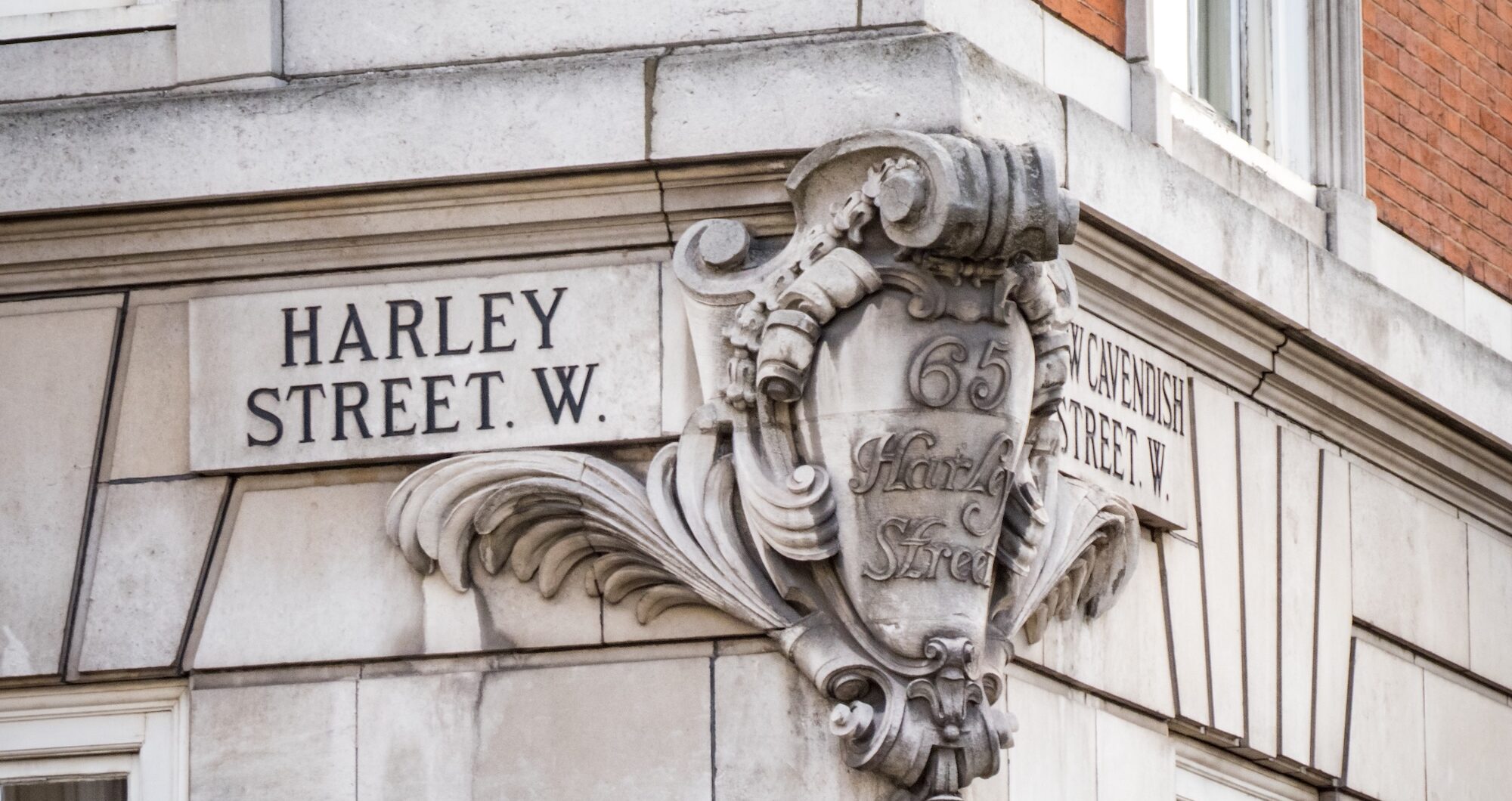

Walk down Harley Street today and you will find elegant Georgian and Victorian buildings, medical practices, private clinics and the familiar blue plaques commemorating people who have shaped British history. Yet Harley Street was not originally designed to become a medical district.
Its transformation happened gradually. During the 19th century, doctors increasingly established practices in the area, attracted by its central London location, quality housing and access to surrounding hospitals and transport connections. By 1860, around 20 doctors were practising on Harley Street; by 1900 there were around 80, and by 1914 almost 200. When the NHS was established in 1948, the number had grown to around 1,500. Today, more than 3,000 people are employed in healthcare-related businesses in the wider Harley Street area.
That remarkable growth turned “Harley Street” into something more than an address. The name became shorthand for private medical expertise, specialist consultations and discreet healthcare in London.
Today, the wider Harley Street medical district has evolved considerably. Alongside traditional consultants and surgeons, the area is home to private GPs, diagnostic centres, hospitals, dermatologists, plastic surgeons, aesthetic clinics, skin specialists and preventative healthcare providers.
But what actually made Harley Street famous?
Why Is Harley Street So Famous?
Harley Street is located in Marylebone, central London, and forms part of the historic Howard de Walden Estate. The street itself was laid out in the 18th century, originally as an elegant residential area rather than a purpose-built medical quarter.
Its medical identity developed during the 19th century. Large houses could accommodate both a doctor’s family and a consulting practice, with patients visiting the ground-floor consulting rooms while the doctor lived above. As more physicians moved into the street, other specialists followed, creating a concentration of medical expertise that strengthened Harley Street’s reputation further. Historic England records that by 1875 its position as a medical centre was already well established.
Research from UCL into the history of Harley Street’s medical practitioners found that the area became an elite medical enclave during the 19th and early 20th centuries, attracting doctors with prestigious qualifications, hospital appointments, medical publications and positions in professional societies.
In other words, Harley Street’s reputation was not created by marketing. It developed through the concentration and reputation of the medical professionals who chose to practise there.
Famous Medical Figures Connected With Harley Street
Part of Harley Street’s enduring appeal comes from the remarkable people who have worked there.
Florence Nightingale
One of the most recognisable names associated with the area is Florence Nightingale, widely regarded as the founder of modern nursing.
In 1853, Nightingale became superintendent of the Institute for the Care of Sick Gentlewomen at 1 Upper Harley Street, a position she held until 1854 before leaving for the Crimea. Her work in improving sanitation, nursing standards and hospital care would later transform modern healthcare.
Lionel Logue and King George VI
Another particularly famous Harley Street story involves Lionel Logue, the Australian speech therapist who established his practice at 146 Harley Street in 1926.
Logue’s most famous patient was the Duke of York, who later became King George VI. He helped the future King manage his severe stammer through vocal and breathing exercises, and their relationship later became the subject of the book and Oscar-winning film The King’s Speech.
The story is an interesting reflection of Harley Street’s wider history: people travelled to the area not simply because of its prestigious address, but because particular specialists had established their expertise there.
Other Medical Pioneers
Over the decades, Harley Street has also been associated with numerous physicians and surgeons, including Sir Henry Thompson, who specialised in genito-urinary surgery, and Dr Edward Bach, who practised in Harley Street as a specialist in vaccines and bacteriology before developing the Bach Flower Remedies.
These figures helped build the collective medical reputation that the Harley Street name still carries today.
Harley Street Is More Than One Street
When people talk about Harley Street today, they are often referring to more than the road itself.
The wider Harley Street Medical Area includes surrounding streets such as Wimpole Street, Queen Anne Street, Welbeck Street, Devonshire Place, New Cavendish Street and Weymouth Street. Together, these areas form a much broader healthcare ecosystem than Harley Street alone.
This is why someone researching healthcare in the area may encounter everything from a private GP and diagnostic centre to a specialist surgeon, dermatology clinic or aesthetic practice.
Harley Street and Modern Aesthetic Medicine
The area’s medical reputation has also evolved with changing patient expectations.
Today, Harley Street and the surrounding district are increasingly associated with aesthetic medicine, dermatology, skin rejuvenation, plastic surgery, laser treatments and preventative healthcare, alongside its traditional specialist medical services.
However, not every clinic in the area offers the same type of care. Some focus on surgery, some on non-surgical aesthetics and skin health, while others provide private GP services, diagnostics or specialist medicine.
That distinction is important for anyone searching online for the best aesthetic clinics in Harley Street. The address provides historical context, but the individual clinic’s clinicians, qualifications, treatment philosophy, technology and aftercare are what ultimately determine the type of care a patient receives.
Notable Clinics Around Harley Street
The modern Harley Street area illustrates how diverse private healthcare has become.
1. 111 Harley Street – Combining Aesthetics, Plastic Surgery and Wellness
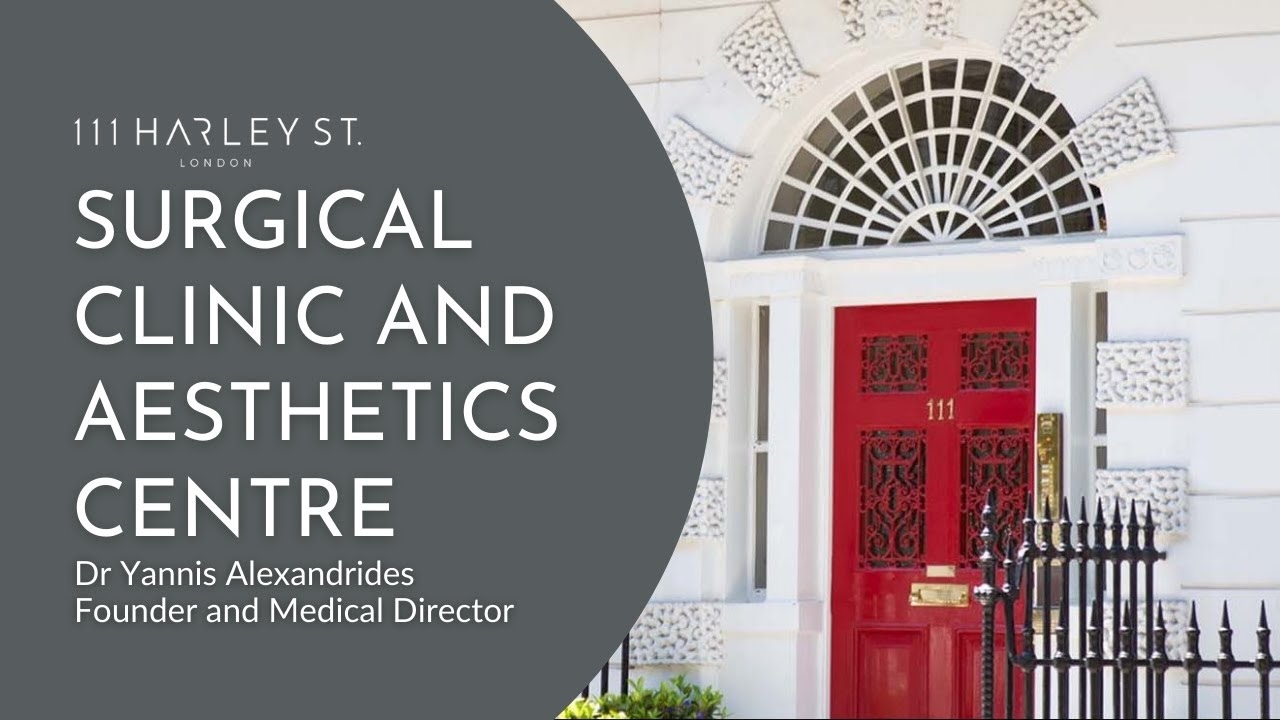
Address: 111 Harley Street, London, W1G 6AW
Website: 111harleystreet.com
111 Harley St. is one of the established names in London’s private aesthetic and plastic-surgery sector, with the clinic founded in 2001 by plastic surgeon Dr Yannis Alexandrides. He is particularly recognised for facelift and rhinoplasty surgery and has more than 30 years of surgical experience.
What makes 111 Harley St. particularly distinctive is its emphasis on natural-looking, personalised facial rejuvenation. Dr Yannis developed the clinic’s signature Y Facelift, a lower-face and neck lifting technique designed to improve jawline definition and address jowling while preserving natural facial expression and proportions.
The clinic offers both plastic surgery and non-surgical aesthetics, including facelifts, rhinoplasty, facial contouring, injectables, laser treatments, RF and energy-based treatments, microneedling and skin rejuvenation. This allows patients to explore different levels of intervention rather than being limited to a single type of treatment.
Another feature of 111 Harley St. is its 360° approach to patient care. The clinic describes a journey that extends from detailed consultation and treatment planning through preparation, recovery and aftercare. Its current patient guidance also states that Dr Yannis may recommend surgery, a non-surgical option or a combined approach depending on the individual patient and whether treatment is appropriate.
The clinic also has an international profile, with Dr Yannis teaching surgical techniques to other plastic surgeons and serving as a founding faculty member of the NYC Facelift Master Course. The clinic says it treats patients from around the world, including high-profile and public-facing individuals who value discretion.
For someone looking for specialist facial rejuvenation, plastic surgery or advanced aesthetic treatments in Harley Street, 111 Harley St. is particularly notable for its surgeon-led approach, signature Y Facelift and emphasis on personalized, natural-looking results.
2. EC Aesthetic Clinic London – The Rise of Non-Surgical Skin Rejuvenation
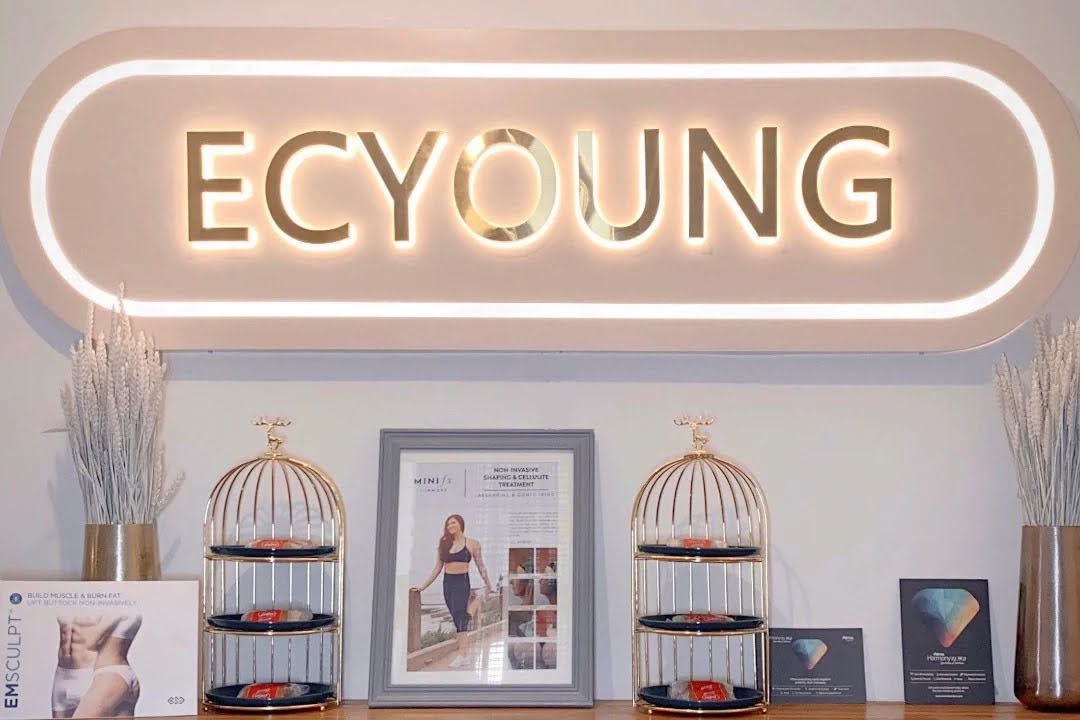
Address: 80 Harley Street, London, W1G 7HL
Website: eccliniclondon.com
Harley Street has been associated with private medical care and specialist expertise for generations, and today the wider Harley Street area is home to a large concentration of private clinics, specialists and healthcare services.
Within this medical district, EC Aesthetic Clinic represents the aesthetic and skin-health side of Harley Street. Based at 80 Harley Street, the clinic has more than 20 years of experience in premium skincare and aesthetic treatments and works with patients across different skin types and ages.
Rather than focusing on a single procedure, EC combines skin analysis, medical-grade skincare and advanced non-surgical technologies to create personalised treatment plans. Its treatment portfolio includes Ultherapy Prime, Thermage FLX, Sofwave, Fotona 4D Pro and Morpheus8, alongside injectable and skin treatments.
One of the clinic’s distinguishing features is its emphasis on diagnosis and treatment planning. EC uses advanced 3D skin-analysis technology to assess individual skin concerns before recommending a treatment combination, with the stated aim of achieving natural-looking results rather than simply choosing the newest or most expensive procedure.
The clinic also has an international patient base. EC says it has treated thousands of clients from London and overseas and highlights experience with concerns including pigmentation, acne, ageing and Asian skin.
For anyone exploring non-surgical aesthetic and skin treatments in Harley Street, EC Aesthetic Clinic is therefore an example of how the area’s traditional reputation for specialist private healthcare now extends into advanced aesthetic medicine and long-term skin health.
3. Harley Street Health Centre – Where Aesthetics Meets Private Healthcare
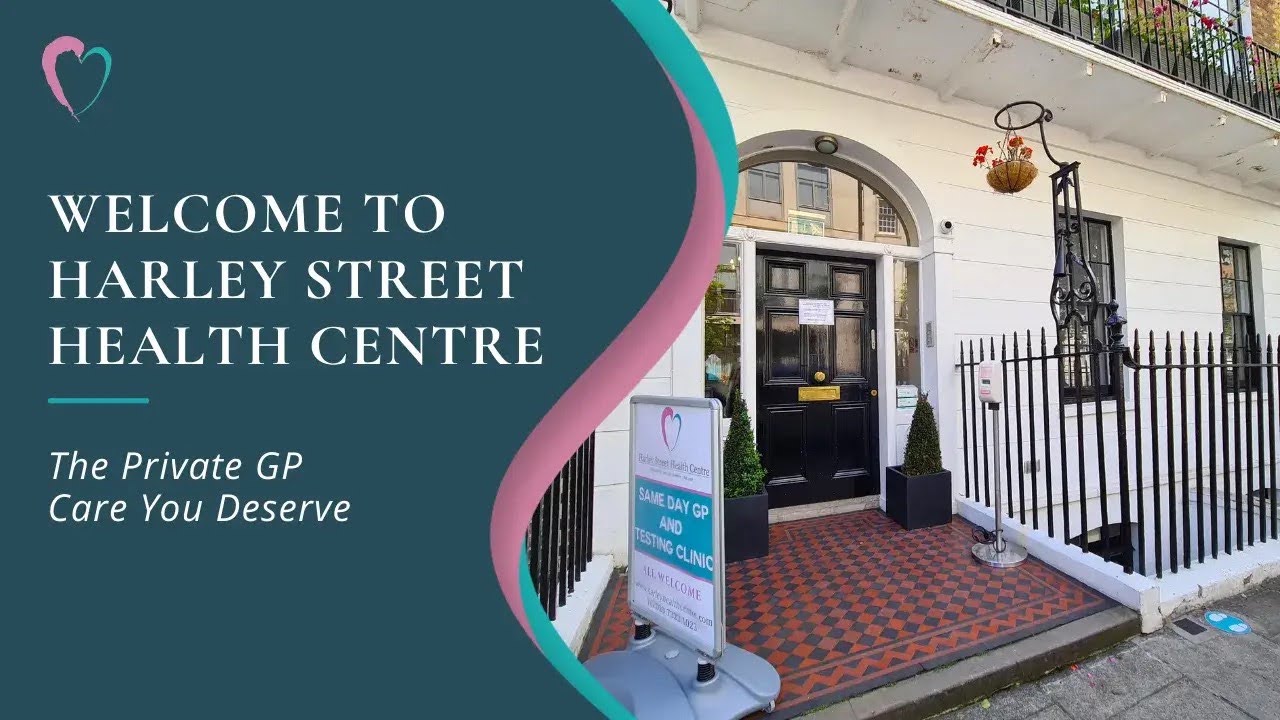
Address: 13 Queen Anne Street, London, W1G 9JH
Website: harleyhealthcentre.com
Harley Street is internationally recognised for private medical care and specialist healthcare, but Harley Street Health Centre offers a broader private healthcare experience beyond aesthetics.
Located on Queen Anne Street, the centre provides private GP consultations, rapid diagnostics, blood testing, health screening and preventative healthcare in one setting.
What makes the centre particularly notable is its focus on speed and convenience—patients can access same-day GP care, integrated testing and rapid blood-test results without navigating multiple healthcare providers.
It also offers a more discreet and unhurried approach to private healthcare, making it relevant for patients seeking confidential medical support, preventative screening or a faster alternative for non-emergency healthcare needs.
For people looking for private GP and preventative healthcare in the Harley Street area, Harley Street Health Centre is worth considering alongside the area’s better-known specialist and aesthetic clinics.
4. Harley Street Skin Clinic – Cosmetic Skin and Aesthetic Treatments
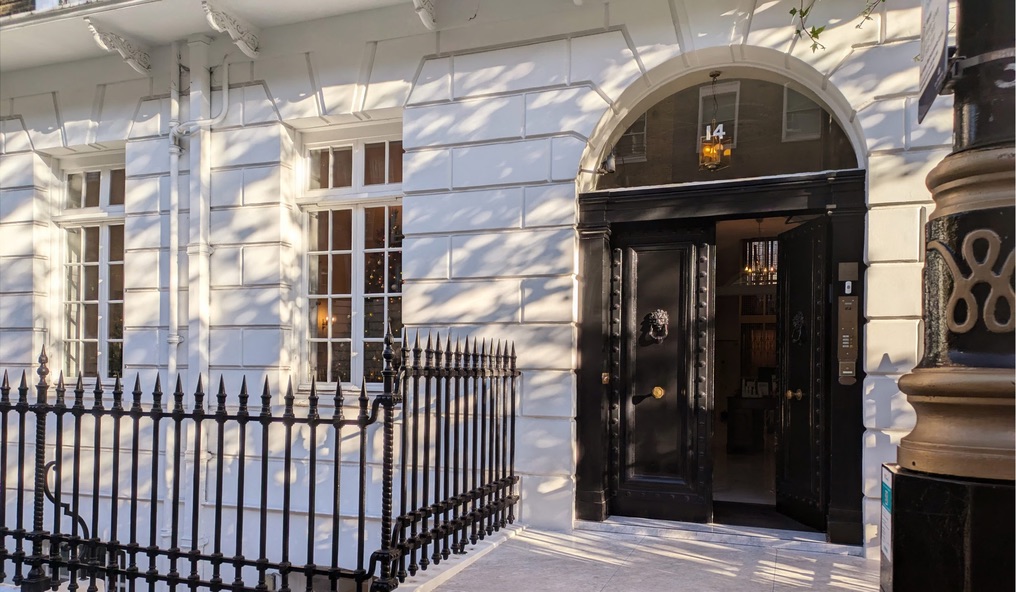
Address: 14 Devonshire Place, London, W1G 6HX
Website: harleystreetskinclinic.com
The Harley Street Skin Clinic is based on Devonshire Place, just around the corner from Harley Street. The clinic describes itself as a boutique private cosmetic clinic and has been operating for more than 20 years.
The clinic focuses on aesthetic and cosmetic skin treatments. Its services include treatments for ageing, skin concerns and facial appearance, as well as popular treatments such as Botox.
The clinic also offers advanced aesthetic treatments through its purpose-built treatment rooms.
Its location is another advantage for people who want to stay within the Harley Street medical district but prefer a clinic that focuses more specifically on skin and cosmetic treatments.
5. Harley Street Dermatology Clinic – Medical Skin Care
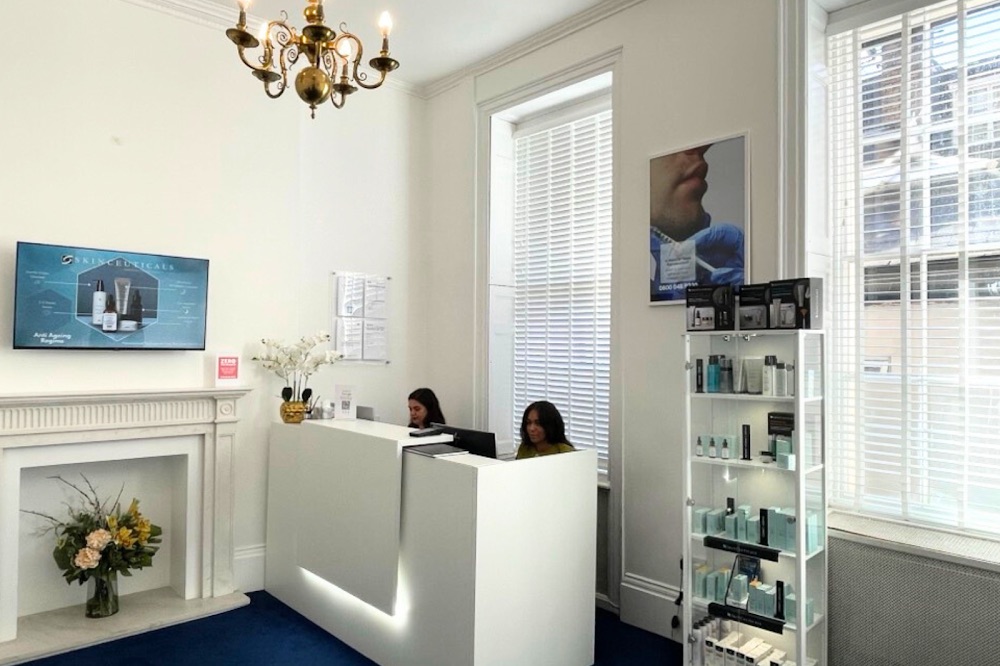
Address: 35 Devonshire Place, London, W1G 6JP
Website: theharleystreetdermatologyclinic.co.uk
If you have a medical skin concern rather than simply looking for an aesthetic treatment, a dermatology clinic may be more appropriate.
The Harley Street Dermatology Clinic specialises in conditions affecting the skin, hair and nails. Its dermatologists provide consultations and treatment for a range of dermatological problems.
The clinic deals with conditions such as acne, eczema, psoriasis, rosacea and other skin problems. It also provides specialist dermatology care and skin surgery.
The clinic is based at 35 Devonshire Place, close to Harley Street, and is regulated by the Care Quality Commission.
This is an important difference to understand. Aesthetic clinics mainly focus on appearance and cosmetic concerns, while dermatologists diagnose and treat medical skin conditions.
6. Harley Street Dental Clinic – Dental and Cosmetic Dentistry
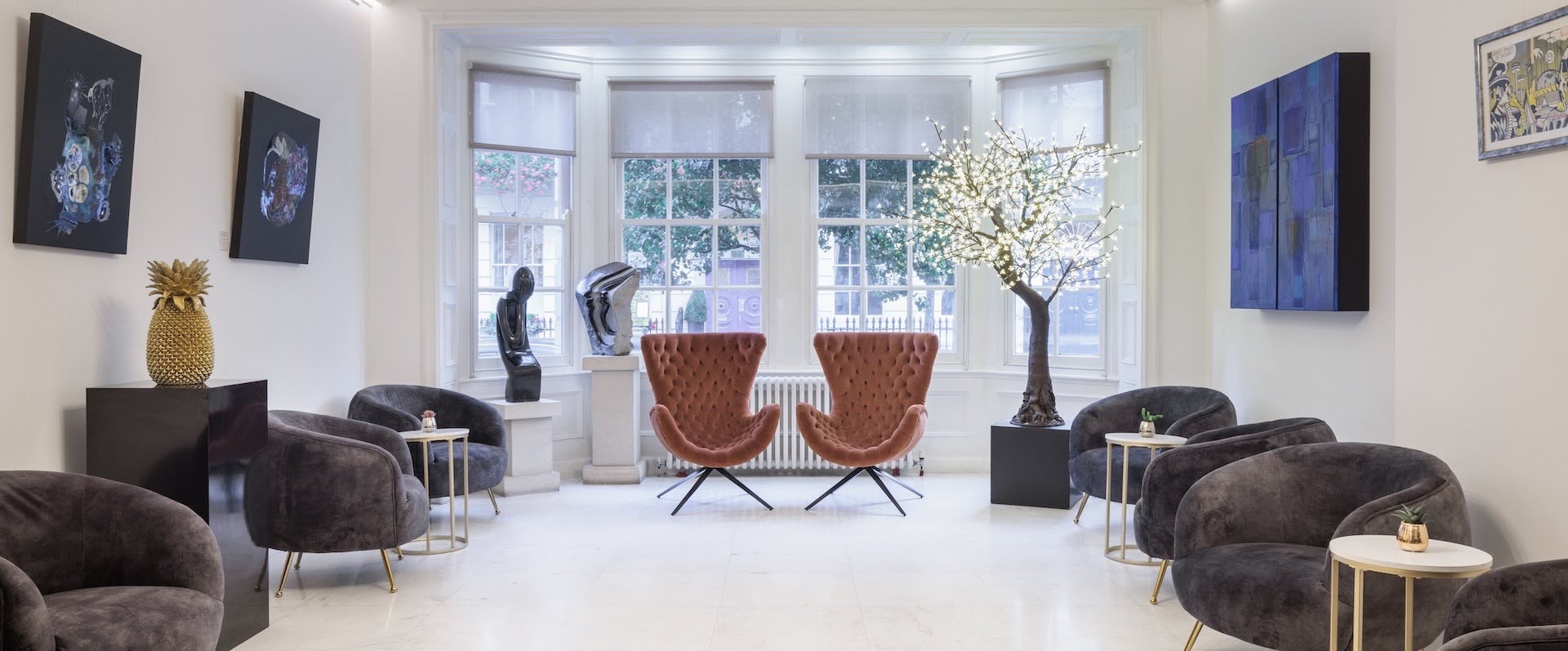
Address: 139 Harley Street, London, W1G 6BG
Website: harleystreetdentalclinic.co.uk
Healthcare around Harley Street is not limited to skin and aesthetics. The area is also home to specialist dental clinics.
Harley Street Dental Clinic is based at 139 Harley Street and provides general and cosmetic dental care. The clinic brings dentists, hygienists and other dental professionals together under one roof.
For people interested in cosmetic dentistry, treatments include teeth whitening, veneers, dental bonding and Invisalign.
The clinic also has clinicians with experience in areas such as cosmetic dentistry, oral surgery, implantology and facial aesthetics.
This makes it a useful option for people who are looking for both general dental care and cosmetic smile treatments in the Harley Street area.
What Can You Find Around Harley Street?
One of the interesting things about Harley Street is the variety of healthcare services available in a relatively small area.
You can find:
- Aesthetic and cosmetic clinics
- Skin clinics
- Dermatologists
- Plastic surgeons
- Private GPs
- Dental clinics
- Specialist medical consultants
- Wellness and preventative healthcare services
The clinics are not all the same, so it is worth looking at what each one actually specialises in before booking an appointment.
Aesthetic Clinic or Dermatologist – What Is the Difference?
This is something that can easily get confusing.
An aesthetic clinic generally focuses on cosmetic concerns such as wrinkles, skin ageing, facial contouring, injectables, skin tightening and other appearance-related treatments.
A dermatologist, on the other hand, specialises in medical conditions affecting the skin, hair and nails.
There can be some overlap, but they are not the same thing. If you have a medical skin condition, it is important to speak to an appropriate medical professional rather than simply choosing a treatment based on appearance.
Why Are People Choosing Harley Street?
The biggest attraction is probably the variety of specialist services available in one area.
Someone might visit Harley Street for a private GP appointment, while another person may be there for a dermatology consultation, cosmetic dentistry or an aesthetic treatment.
The area has also changed with the growth of newer aesthetic technologies. Treatments such as skin tightening, laser treatments, RF microneedling and injectables are now a common part of the Harley Street healthcare landscape.
At the same time, traditional medical services are still an important part of the area.
This mix of private healthcare, specialist medicine, aesthetics, skin care and dentistry is what makes Harley Street different from a typical London high street.
How Should You Choose a Clinic?
The Harley Street name is well known, but it is still important to research the individual clinic and practitioner.
Before booking a treatment, it is worth checking:
- Who will carry out the treatment?
- What qualifications do they have?
- How experienced are they?
- What are the possible risks?
- What aftercare is provided?
- Is the treatment suitable for you?
- Is the clinic properly regulated where required?
For cosmetic treatments in particular, it is better to take your time and have a proper consultation before making a decision.
Harley Street Today
Harley Street has changed a lot over the years, but its connection with healthcare remains strong.
Today, the wider area brings together private healthcare, dermatology, aesthetics, skin care, plastic surgery and dentistry.
That means you do not have to look at Harley Street as simply a place for traditional private doctors. It has become a much wider healthcare district where people can find different types of specialist care.
Whether you are looking for an aesthetic treatment, help with a skin condition, a private GP, cosmetic dentistry or specialist medical care, there are many options around Harley Street to explore.
This version is much more relatable to the topic because every clinic now has a clear category and reason for being included, rather than simply listing several clinics together. The original article’s broad introduction and explanation of Harley Street’s medical history are retained in spirit, while the clinic sections are made more specific and useful.
Feature image by William from Adobe Stock