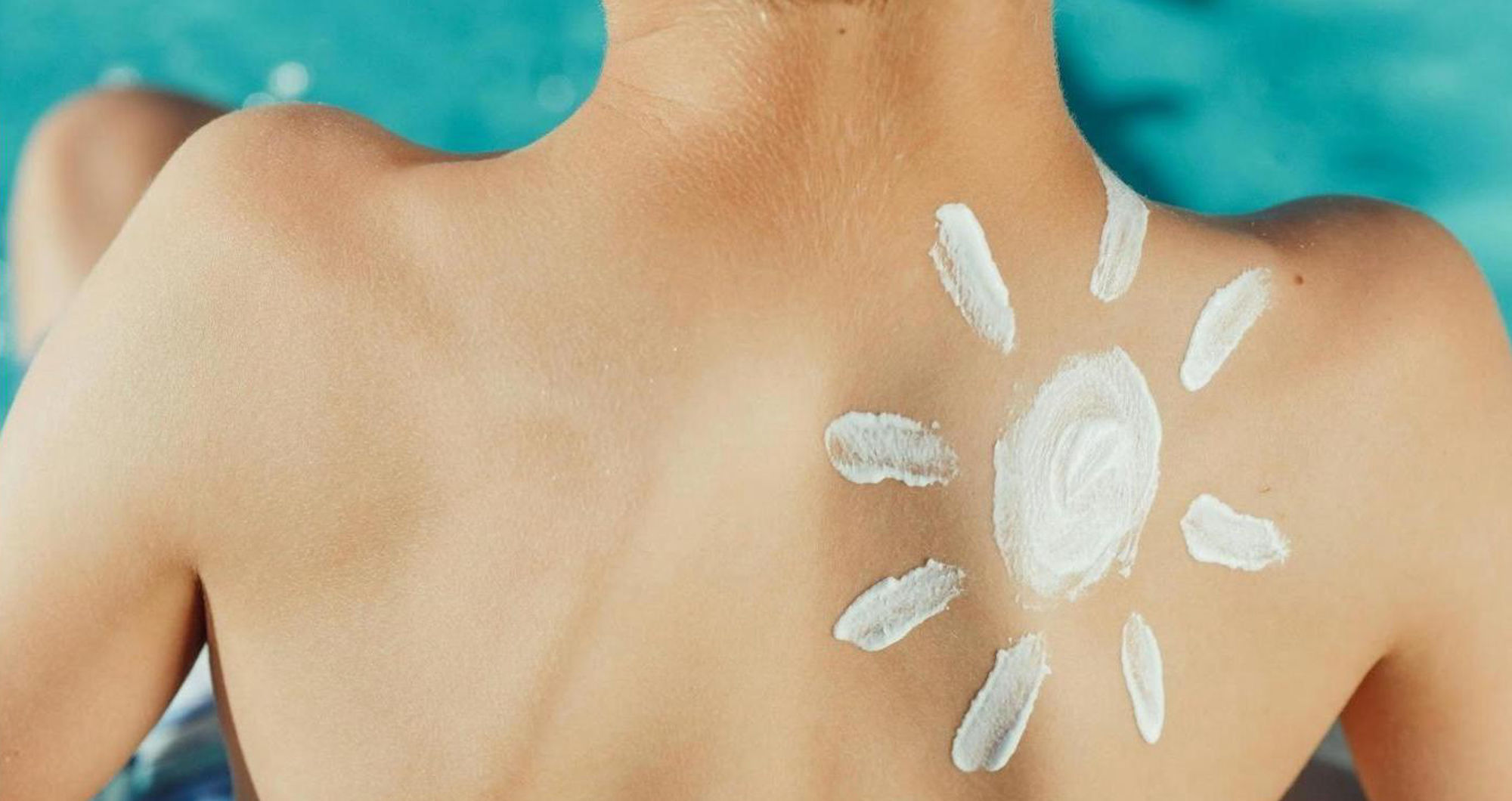

There is no way that skin cancer is not one of the most prevalent types of cancer, but it is also one of the most preventable ones. Most individuals continue to consider the damage caused by the sun as part of holidays or extreme heat, yet day-to-day exposure to the sun has the ability to impact on the health of the skin in the long run. The prevention of skin cancer is not so much about avoiding outdoor life but about developing simple and regular protection practices into everyday life.
How Sun Exposure Damages the Skin
The sun’s rays have invisible radiation that may destroy the skin cells. Part of this harm is immediately visible, like redness or sunburn, whereas some of the harm grows gradually under the surface. In the long run, constant exposure may result in early ageing and the risk of skin cancer.
One of the issues is that harm does not necessarily lead to instant pain. Skins may still be affected even on dry and misty days. The effects are accumulative, so even minor levels of daily exposure may accumulate over the years, especially in individuals who spend much time outdoors.
Why Everyday Protection Matters
The prevention of skin cancer is more like a reduction of long-term exposure and not avoiding the sun. The daily sunscreen assists in keeping the recurring injuries that happen in daily activities, such as commuting, outdoor work, physical exercise, or spending time with the family.
Solar skin protection is possible through regular use of sunscreen to minimise the intensity of the radiation. Although none of the products provide full protection, regular use will reduce the chances of sunburn and skin damage over time considerably. Individuals who wear skin protection regularly are less likely to have their skin change with time due to the sun.
NHS Guidance on Preventing Skin Cancer
Prevention is one of the strongest points of the NHS, which is the most effective means of mitigating the risk of skin cancer. The NHS guidance suggests that the majority of instances are associated with over-exposure to the sun and might be prevented by safer behaviours.
Significant NHS guidelines are:
- Elimination of the prolonged exposure in the daytime.
- Wear sunscreen on sunny days.
- Donning of protective clothing, hats, and sunglasses.
- Avoiding sunbeds entirely.
NHS also wishes people to inspect their skin and consult the doctor in case of any alteration in moles, freckles or skin patches. Early identification has a very big impact in enhancing the treatment process and minimising complications.
Choosing Effective Sun Protection
Knowing the labels of products will provide the right protection. Sun protection products are rated by the SPF, which is the measure of their protection against the burning of the sun. It is commonly advised that an SPF of 30 or more is needed to provide good protection.
The deeper skin damage is well indicated on the package, which gives the product more comprehensive protection. This is especially necessary for individuals who have fair skin, have been sunburned, or even have a family history of skin cancer.
Applying Protection Correctly
Misuse of sun protection is one of the most common causes of failure in sun protection. Most of the people use too little or do not use at all and forget to reapply during the day.
Mature adults should have approximately six to eight teaspoons to cover all areas that are not covered. Protection should be applied approximately 20-30 minutes prior to going outdoors and reapplied every two hours. It should also be reapplied after swimming, sweating or towel-drying.
Some parts are overlooked, such as ears, neck, lips, feet and scalp. Exposure is repeated in these areas, which tend to be particularly vulnerable.
Beyond Sunscreen: Additional Protective Measures
The prevention of skin cancer does not consist in the use of the products only. The use of sunscreen and behavioural modification is more effective.
The successful strategies involve:
- Shading in broad daylight.
- Long-sleeved and tightly woven clothes.
- Wearing wide-brimmed hats to cover the neck and face.
- Using sunglasses that block radiations which are damaging.
Intentional tanning is to be avoided. Tan is not healthy, but it is an indicator of skin damage and has minimal natural protection.
Everyday Protection and Vitamin D Balance
There are those who fear that using skin protection will interfere with the level of vitamin D. The truth is that only brief durations of sunshine are needed by the human form to generate adequate vitamin D, especially in spring and summer.
When one is outside, protection is advisable, and the time required to induce skin damage is far more than that required to produce vitamin D. Putting on a sunscreen is going to reduce the harmful exposure, but not completely prevent the formation of vitamin D.
Routine protection is most helpful to people who venture out, exercise often during the day, or have delicate skin.
Long-Term Public Health Impact
Traditional approaches to preventing and not treating health issues in the population are gaining more importance. Skin cancer is increasingly becoming a burden to health care services, and much of this burden can be prevented by improved awareness and habits that protect oneself.
Raising awareness about sun-safe behaviour early in life will facilitate the formation of lifetime habits that minimise risk. Up until now, there is growing debate about identifying sun protection as a preventive health option, as opposed to a cosmetic one.
Conclusion
Elimination of skin cancer begins with daily protection against the sun, rather than irregular behaviour once or twice a year on holidays or heat waves. Prolonged exposure to the sun may cause destruction of the skin without the individual noticing, which poses the risk of severe diseases in the long run. With the help of the NHS, the correct use of protection, and various preventive measures, people will be able to minimise the risk to a significant extent. Simple everyday sun protection is a strength that can be taken towards a healthier and longer life of the skin.