
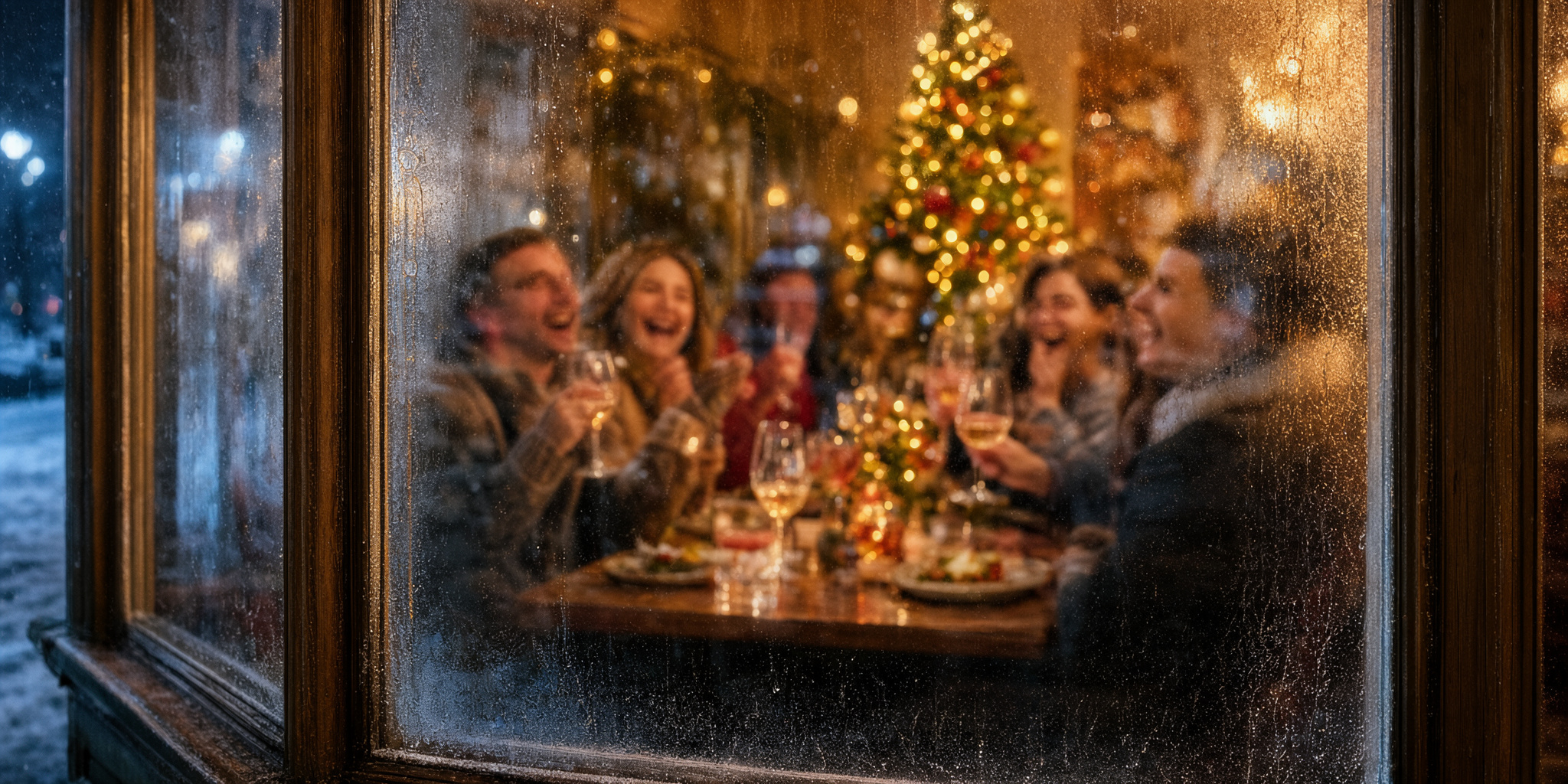

Mid-December in London onwards is a season built around the pub. Office parties, drinks with old friends, celebrations that stretch from early evening into the night—almost all of them centre on alcohol. For anyone who is driving, watching their intake, or simply choosing not to drink, the festive period can feel like a social obstacle course.
The good news is that the city has changed. Non-alcoholic drinks are no longer an apologetic afterthought, and a well-made mocktail can hold its own against anything on the cocktail list. Drinking less no longer means sitting in the corner with a glass of tap water while everyone else has fun.
The Driving Problem
London’s drink-drive rules are strict, and the penalties are severe. The legal limit in England and Wales is lower than in Scotland, and there is no safe way to calculate how many drinks will keep you under it. Factors such as weight, metabolism, food, and time all affect blood alcohol concentration, and the only reliable approach is not to drink at all before driving.
The festive period makes this harder. Christmas lunches often stretch into the afternoon, and a single glass of wine can linger in the system far longer than expected. The safest and simplest solution is to decide in advance to drive and to drink nothing alcoholic at all.
That decision should not cost you the pleasure of the occasion.
Why Non-Alcoholic Drinks Have Improved
The market for low and no-alcohol drinks has expanded dramatically in the past few years.
Alcohol-free beers, once a thin, sweet imitation of the real thing, are now genuinely good. Breweries have invested in proper production, and brands such as Lucky Saint, Big Drop, and Infinite Session produce drinks that stand on their own merits. Alcohol-free spirits, including Seedlip, Lyre’s, and Pentire, offer complex botanical flavours that mix well with tonic, soda, and citrus. Alcohol-free wines have improved too, though they remain more variable.
The result is a genuine choice. A designated driver can now order something that looks like a cocktail, tastes like one, and does not require a single unit of alcohol.
The Mocktail Advantage
Mocktails have shed their reputation as sugary, juvenile drinks. The best of them are carefully balanced, using bitters, citrus, herbs, and syrups to create complexity without alcohol.
Several London bars now offer dedicated non-alcoholic menus, and many standard cocktail lists include at least one alcohol-free option. The quality varies, but the trend is unmistakable.
Classic mocktail formats worth knowing include:
-
Soda-based highballs with citrus, mint, and a splash of alcohol-free spirit
-
Spritz-style drinks made with alcohol-free aperitivo and soda
-
Sour-style drinks using citrus, sugar syrup, and aquafaba or egg white for texture
-
Mulled and spiced drinks using apple juice, cranberry, cinnamon, and cloves
A well-made mocktail is not a consolation prize. It is a drink worth ordering.
London Venues That Take It Seriously
The capital has become a good place to drink without actually drinking.
Several bars and restaurants now stock alcohol-free spirits and list proper non-alcoholic cocktails. Hotel bars, in particular, tend to be well equipped. Some pubs have improved their alcohol-free beer offerings, and the standard range in supermarkets has expanded considerably.
For festive occasions, many venues offer mulled non-alcoholic drinks alongside the alcoholic version. It is worth asking, even where the menu does not mention it.
Hosting at Home
If you are entertaining, providing good non-alcoholic options matters more than most hosts realise. A guest who is driving, pregnant, or simply not drinking should not be left with orange squash.
Stock a few well-chosen bottles: an alcohol-free spirit, good tonic water, a quality alcohol-free beer, and something festive such as a spiced apple drink. Provide citrus, herbs, and a nice glass. The gesture is small, and it makes a significant difference.
A simple recipe worth having: alcohol-free spirit with tonic, a wedge of grapefruit, a sprig of rosemary, and plenty of ice. It looks and tastes like a proper drink.
The Social Dimension
The real challenge of not drinking in December is rarely about taste. It is about the social ritual.
Alcohol is woven into how people celebrate, and choosing not to drink can feel like opting out of the occasion. It is not, but it can feel that way, particularly in a culture where drinking is the default.
Several things help. Arriving with a drink in hand, even a non-alcoholic one, removes the awkwardness of an empty glass. Choosing a venue that offers good alternatives reduces the friction. Being clear and unapologetic about your choice makes it easier for others to accept it. And remembering that the occasion is about company, not units, keeps the evening in perspective.
It is also worth noting that the culture is shifting. More people are drinking less, and the assumption that everyone drinks is weakening. The designated driver is no longer the only person ordering a non-alcoholic beer.
The Things To Consider
December is a season of celebration, and celebration should be available to everyone, whether or not they are drinking.
The options have never been better. Alcohol-free beers, spirits, and cocktails are now genuinely enjoyable, and London has the venues and the stock to serve them properly.
For anyone driving, the rule remains simple: do not drink at all. For anyone choosing to drink less, the pleasure of the occasion is entirely intact. A good mocktail, a warm room, and good company are more than enough.
Drinking less does not mean celebrating less. That distinction is worth making, especially in December.







