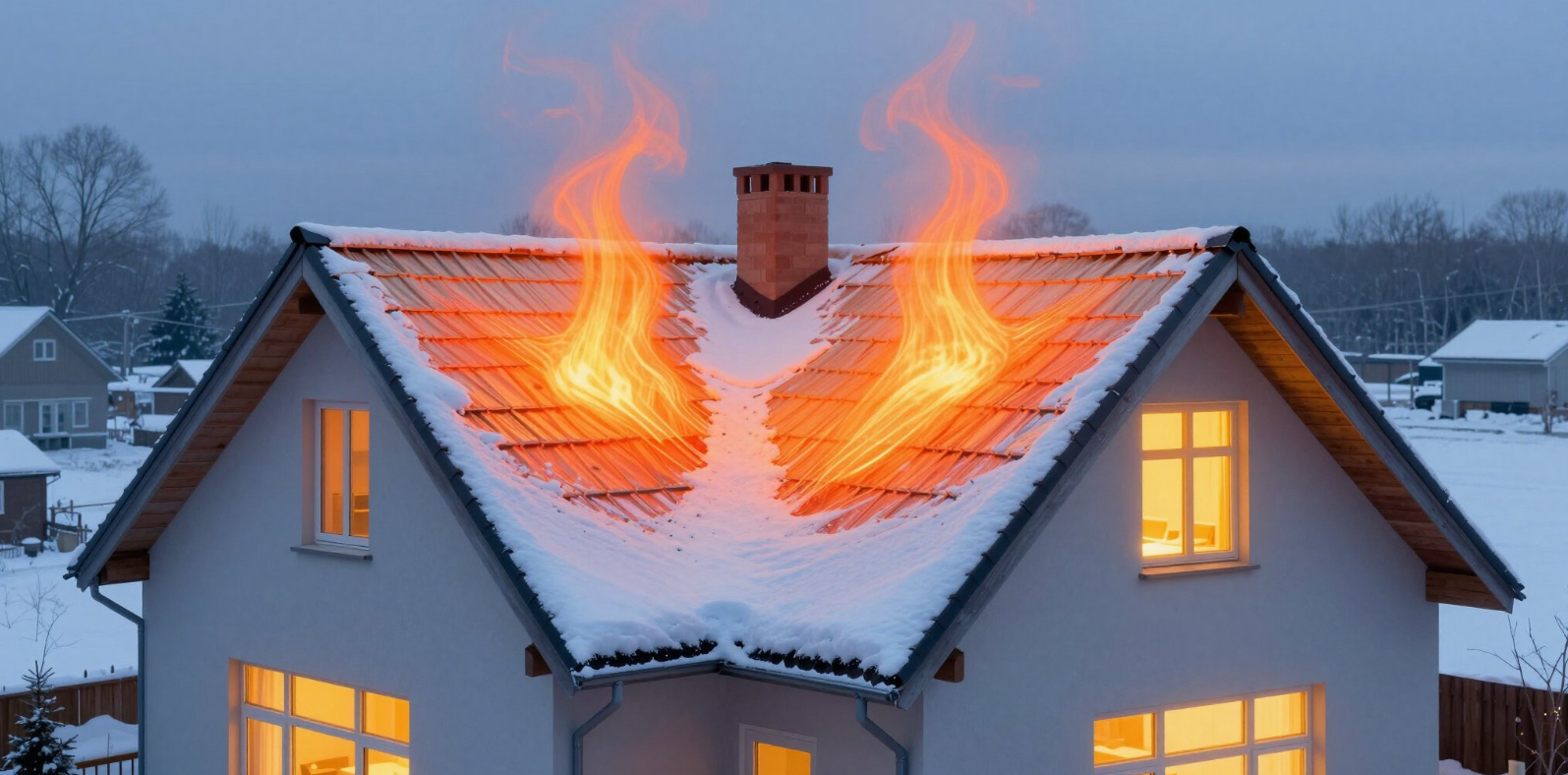

As energy prices continue to rise, many homeowners are looking for practical ways to reduce their heating bills without sacrificing comfort. While upgrading boilers or switching heating systems often gets the most attention, one of the most effective — and often overlooked — solutions is proper attic insulation.
A poorly insulated attic can quietly drain heat from your home, forcing your heating system to work harder and cost more to run. Ensuring your attic is well insulated is one of the simplest ways to improve energy efficiency and lower household heating costs.
Heat Loss Starts at the Top
Heat naturally rises, and in winter, much of the warmth generated inside your home moves upward toward the roof. If your attic is inadequately insulated, this heat escapes quickly through the roof structure, leaving living spaces colder and less comfortable.
In many homes, especially older properties, attic insulation is either insufficient, uneven, or compressed over time. Gaps in insulation allow heat to escape, creating cold drafts and temperature fluctuations throughout the house.
Lower Heating Bills Through Better Insulation
A well-insulated attic acts as a thermal barrier, slowing the movement of heat out of your home. This means your heating system doesn’t need to work as hard or run as often to maintain a comfortable indoor temperature.
By reducing heat loss, attic insulation can lead to noticeable savings on energy bills, particularly during colder months. Over time, the reduction in heating costs can offset the initial expense of upgrading insulation, making it a cost-effective home improvement.
Improved Comfort Throughout the Home
Beyond saving money, proper attic insulation improves overall comfort. Homes with poor insulation often suffer from cold spots, especially in upstairs rooms. Insulation helps maintain a more consistent temperature across all areas of the house.
This improved heat retention also reduces the need for supplementary heating, such as portable heaters, which are often inefficient and costly to run.
Reducing Strain on Heating Systems
When heat escapes rapidly, heating systems are forced to cycle on more frequently to compensate. This increased workload can accelerate wear and tear on boilers, furnaces, and heat pumps.
By insulating your attic properly, you help your heating system operate more efficiently, potentially extending its lifespan and reducing maintenance or repair costs over time.
Environmental Benefits
Improving attic insulation doesn’t just benefit your wallet — it also reduces your home’s environmental impact. Using less energy for heating means lower carbon emissions, which is especially important as countries work toward climate and sustainability goals.
For homeowners looking to make greener choices, attic insulation is one of the most impactful improvements you can make with minimal disruption.
Signs Your Attic May Need Better Insulation
Some common indicators include:
- High heating bills despite moderate usage
- Cold or uneven temperatures in upstairs rooms
- Drafts or cold ceilings
- Snow melting quickly on your roof during winter
If you notice these signs, it may be time to assess your attic insulation.
A Smart Investment for the Future
Attic insulation is not just a short-term fix — it’s an investment in your home’s long-term efficiency and value. Energy-efficient homes are increasingly attractive to buyers, and proper insulation can improve energy performance ratings.
Final Thoughts
When it comes to reducing heating costs, attic insulation offers one of the highest returns on investment of any home improvement. By preventing heat loss, improving comfort, and lowering energy use, it delivers benefits that are felt immediately and long-term.
If your goal is to stay warm while keeping heating bills under control, starting at the top of your home may be the most effective place to begin.