
You might think air conditioning maintenance is optional, but here’s a surprising fact: most cooling systems start losing efficiency after just 8 to 10 years, even with proper care. Systems deteriorate even faster without regular maintenance.
Air conditioning systems naturally become less efficient as time passes. Ageing parts need more energy to cool your space effectively. This becomes especially important with commercial air conditioning maintenance since these systems face heavier demands. Your home’s leaky ducts could waste up to 20% of cooled air, which reduces system efficiency by a lot. Small increases in monthly energy bills can add up quickly, and many people don’t notice until their costs spike dramatically.
Let’s explore why preventive maintenance really matters for your air conditioning system. You’ll learn to spot warning signs of efficiency loss and discover ways to stick to your ducted air conditioning maintenance schedule. Understanding these simple principles will help you extend your system’s life and manage cooling costs better, whether you plan to hire a maintenance service or handle the simple upkeep yourself.
The natural decline of air conditioning systems
Air conditioning systems lose efficiency as mechanical wear and tear takes its toll. The best systems start showing signs of declining efficiency after 8-10 years of use. This happens because key parts like compressors, motors and electrical connections naturally break down over time.
Your ageing air conditioner’s compressor becomes less effective at keeping optimal pressure levels. The scroll compressors and other components wear out, and the system needs more power but delivers less cooling. The evaporator coils can develop tiny holes from corrosion that lead to refrigerant leaks and reduce the system’s cooling power.
The system’s capacitors, contactors and other electrical components break down and use more electricity. Research shows that heat source equipment performance drops by 34-52% over 15 years without regular maintenance. Cooling towers and pumps show a 7-19% decline during this same timeframe.
Your system’s energy use can jump by about 41% in its 15th year compared to when it was new. Your home will experience longer cooling cycles and uneven temperatures as a result.
The speed of this decline depends on how you use your system, your local weather and the quality of air conditioning installation. Homes near the coast face faster efficiency loss because salty air, high humidity and constant exposure speed up corrosion.
Common maintenance issues that reduce efficiency
Your air conditioning system’s efficiency can decline faster due to several preventable maintenance problems, not just natural wear and tear. Dirty, clogged filters rank among the worst offenders that restrict airflow and make your system work harder. Energy experts confirm that a simple filter replacement can boost an air conditioner’s efficiency by up to 15%. Dirt accumulates on the evaporator coil and reduces its heat-absorbing capacity when filters get clogged.
The system’s heat transfer gets blocked because dirty coils create an insulating barrier. Research shows that efficiency drops by 21% with just a thin layer of dirt (0.042 inches). Thicker contamination can lower efficiency by up to 40%. The system’s cooling capacity suffers from refrigerant leaks that show up as longer cooling cycles, ice formation on coils, and strange hissing sounds.
Many homeowners don’t realise that their system’s duct condition is a vital factor. Leaky ducts can slash heating and cooling system efficiency by up to 20%. This becomes a bigger problem when ducts run through unconditioned spaces like attics or crawlspaces.
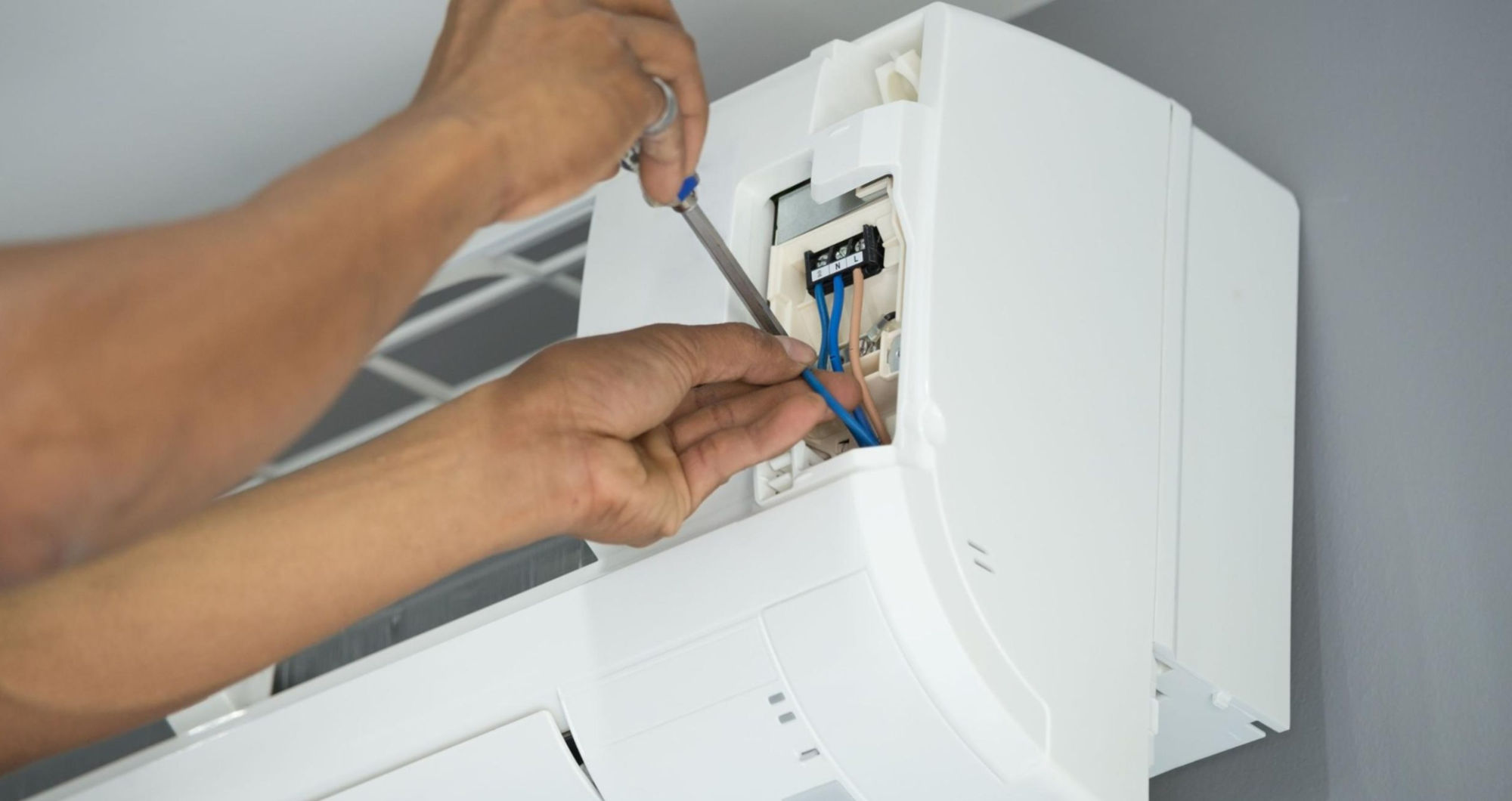
The system’s performance also degrades from electrical problems such as failed capacitors, damaged wires, and loose connections. A bad capacitor stops the fan from spinning correctly, while loose electrical cables lead to short circuits. Regular air conditioning maintenance service helps catch these problems before they turn into expensive repairs.
How to maintain efficiency with regular care
Your air conditioning system’s efficiency depends on regular attention throughout its life cycle. Regular maintenance can cut energy costs by 5-15% and extend the system’s operational life. Annual professional servicing works best for residential systems. Commercial air conditioning typically needs maintenance twice a year.
You can perform several important maintenance tasks between professional visits:
- Clean or replace filters every 1-3 months, depending on usage
- Remove debris from around outdoor units
- Clean vents and return air grilles monthly
- Check for unusual noises, weak airflow, or unexpected increases in energy bills
- Clear condensate drain lines periodically with a stiff wire
A professional’s maintenance checklist should cover refrigerant level checks, coil cleaning, electrical component inspection, and a complete ductwork examination. These detailed inspections help prevent small issues from becoming major problems. This saves you from unexpected breakdowns when you need your system most.
Smart thermostats provide another way to boost efficiency. They can reduce heating costs by 10-15% and cooling expenses by approximately 15%. These devices learn your daily patterns, adjust temperatures based on when you’re home, and give you detailed energy usage reports.
Regular maintenance saves money and improves your indoor air quality. It eliminates dust, pollen and mould that build up in neglected systems. Don’t see maintenance as an expense – call it an investment that pays off through lower utility bills, longer equipment life, and better comfort throughout your home.
Conclusion
Numbers don’t lie – neglected AC systems drain more money and provide less comfort. This piece shows how natural wear and preventable problems work together to decrease system efficiency. Smart homeowners take action early instead of waiting for complete breakdowns or shocking energy bills. These early steps pay off big time.
Your AC system’s efficiency starts declining after 8-10 years, even with proper care. But regular maintenance slows this process by a lot and extends your unit’s lifespan. Basic tasks like filter changes, debris removal, and professional inspections improve performance and cut operating costs.
Smart homeowners see AC maintenance as an investment opportunity rather than a wasteful expense. The 5-15% energy savings add up fast. You’ll also avoid those expensive emergency repairs during summer heat waves when service rates skyrocket.
Money isn’t everything – a well-maintained system creates healthier living spaces by stopping mould growth and boosting air quality. Your home’s consistent cooling definitely improves summer living conditions.
The decision looks straightforward. You can spend a little now on prevention or pay much more later for repairs, replacement, and wasted energy. Your AC works hard to keep you comfortable, so it deserves proper care to run at peak performance.