
Europe’s rivers have played an important role in shaping its cities and towns, with many historic settlements developing along their banks. Today, travelling along these waterways offers a different perspective on the continent’s landscapes, with views of medieval castles, vineyard-covered hillsides and traditional villages. A river cruise also allows you to visit several destinations in one trip without having to arrange transport or change accommodation at every stop.
One of the pleasures of river travel is watching the scenery unfold as you sail, with historic buildings, riverside towns and beautiful countryside often visible along the way. Many itineraries also include stops where you can explore local attractions, sample regional food or simply enjoy a walk through the town centre. Here are five European rivers that are particularly rewarding to explore by boat, along with practical advice on the best routes and times to visit.
Watching the Floodlit Parliament From the Danube in Budapest, Hungary
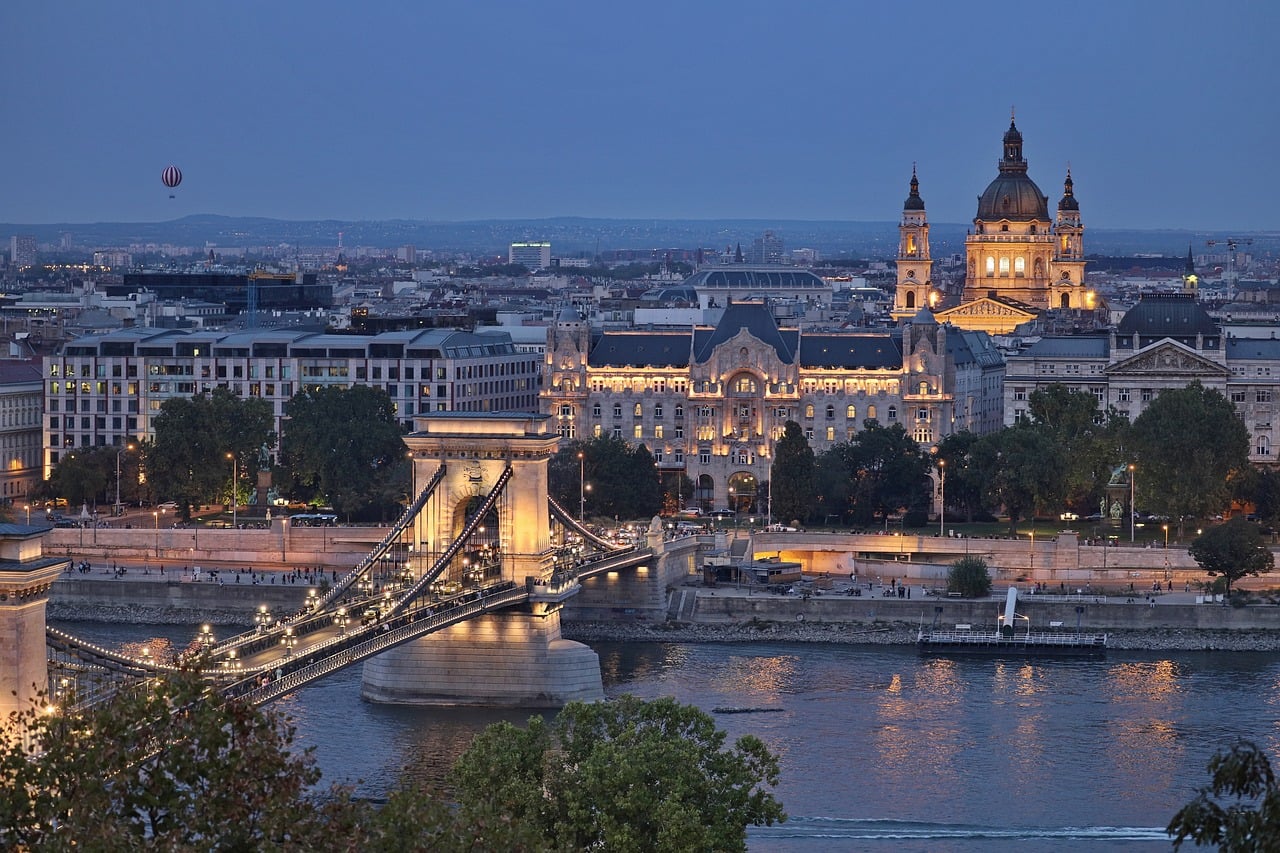
The Danube flows through the heart of Budapest, separating the historic hills of Buda from the grand buildings and busy streets of Pest. One of the most impressive sights along the river is the Hungarian Parliament Building, with its Gothic Revival architecture, towering spires and distinctive central dome. An evening cruise gives you a particularly beautiful view of the building when its illuminated façade reflects across the water. Along the way, you’ll also pass landmarks, including the Széchenyi Chain Bridge and Buda Castle, which look equally impressive after dark.
If you’re drawn to the slower rhythm of European river cruises, Budapest is an excellent place to enjoy the scenery without rushing between attractions. Many sightseeing cruises take around an hour, giving you time to admire the city’s historic waterfront and bridges. Longer Danube itineraries may also include the scenic Danube Bend north of Budapest, where the river winds past wooded hills, the hilltop basilica at Esztergom and the medieval castle at Visegrád.
Budapest is easily accessible from the UK, with direct flights from several London airports and other major cities. From Budapest Ferenc Liszt International Airport, you can reach the city centre by airport bus or taxi before heading to the riverfront departure points. May to September is a pleasant time for an evening cruise, with warmer temperatures and longer daylight hours. Book a departure around sunset or after dark to enjoy the city’s illuminated landmarks, and bring a light jacket if you plan to spend time on the open deck.
Sipping Port Among Terraced Vineyards in the Douro Valley, Portugal
The Douro River winds through northern Portugal’s famous wine region, where steep hillsides covered in terraced vineyards rise above the water. Much of the landscape forms part of the UNESCO-listed Alto Douro Wine Region, known for producing port and other Portuguese wines. Travelling by boat provides beautiful views of the vineyards, traditional wine estates and small riverside villages along the route. The scenery is particularly beautiful in autumn, when the leaves begin changing colour and the surrounding hills turn shades of gold and red.
A cruise along the Douro also takes passengers through impressive river locks, including the Carrapatelo Dam, where boats are raised or lowered approximately 35 metres. Longer journeys may include stops in Pinhão, a picturesque village surrounded by vineyards and wine estates. Here, visitors can join wine tastings, learn about traditional production methods and enjoy regional Portuguese dishes. Some itineraries include guided visits to local estates, although these generally need to be arranged as part of the excursion.
Porto is the main starting point for Douro river cruises and has direct flights from several UK airports. Boats depart from various locations along the waterfront, including Ribeira and Vila Nova de Gaia, depending on the operator. September and October are particularly appealing months to visit, as the grape harvest brings additional activity to the valley. Book ahead if you’re interested in vineyard visits during this popular period.
Counting Clifftop Castles Along the Middle Rhine Gorge, Germany
The Middle Rhine Gorge is one of Germany’s most scenic river stretches, extending approximately 65 kilometres between Bingen and Koblenz. This UNESCO World Heritage Site is famous for its steep vineyards, medieval castles and traditional towns lining both banks. Cruising through the valley brings many of these landmarks into view, including the hilltop castles of Marksburg and Burg Katz. Another memorable sight is Pfalzgrafenstein Castle, which stands on a small island in the middle of the river.
One of the most famous landmarks along this stretch is the Lorelei, a towering slate rock overlooking a narrow bend in the Rhine. Local folklore tells of a mysterious woman whose singing distracted sailors navigating the dangerous currents below. The surrounding hillsides are covered in vineyards, particularly those producing Riesling wines. Many cruises also stop in historic towns like Bacharach and Oberwesel, where visitors can explore medieval streets, traditional buildings and riverside promenades.
Frankfurt Airport is a convenient arrival point for UK travellers, with rail connections to several towns along the Rhine. Mainz and Rüdesheim are popular starting points for river excursions, although routes and departure locations vary between operators. Late spring and early autumn are particularly pleasant for sightseeing. Check sailing schedules before travelling, as some sightseeing services operate seasonally.
Cycling Past 18th-Century Windmills at Kinderdijk, Netherlands
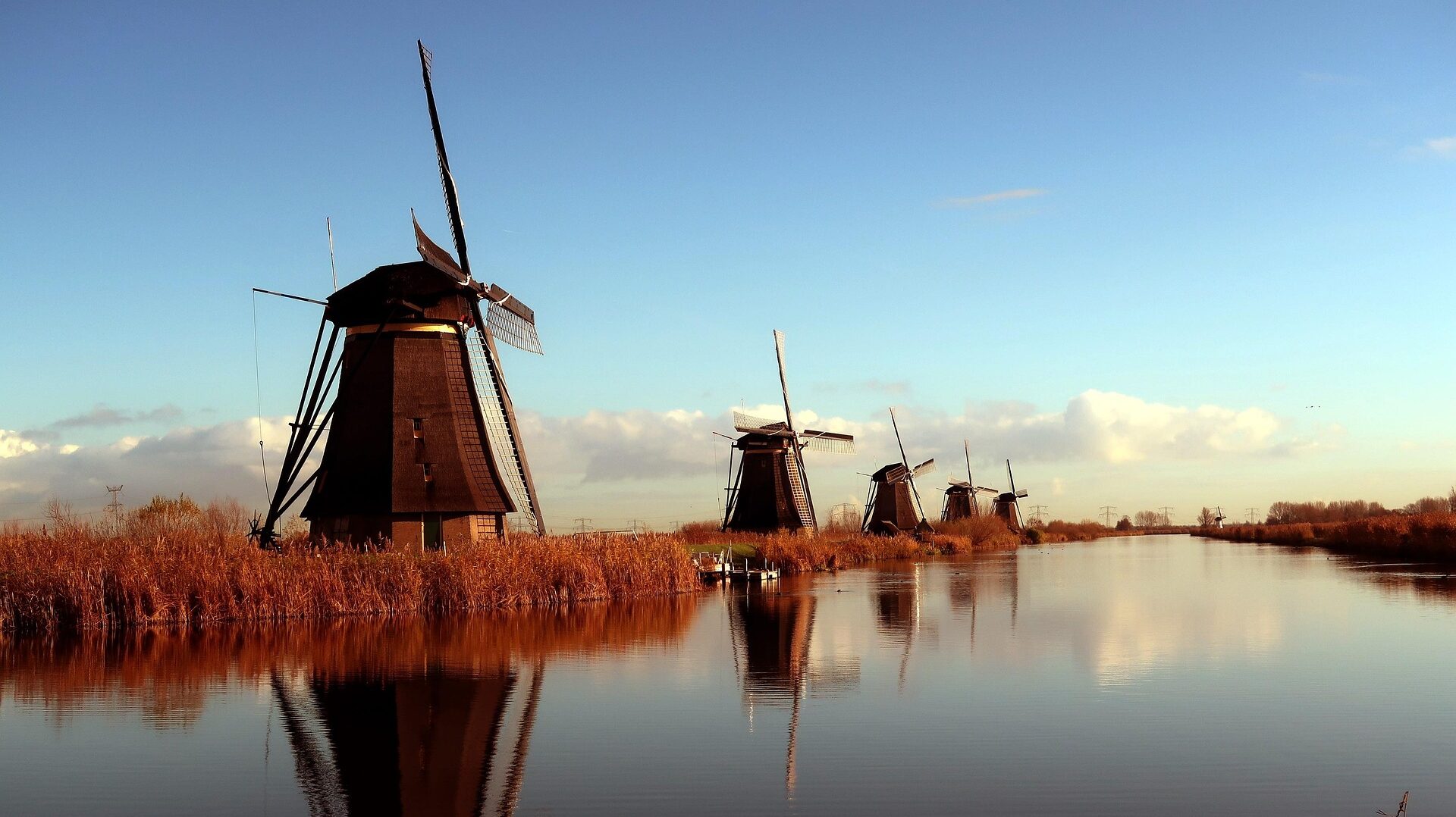
Just outside Rotterdam, Kinderdijk is home to nineteen historic windmills surrounded by canals, grassy embankments and open Dutch countryside. Most were built in the eighteenth century to help manage water levels in the surrounding low-lying land. Today, the area is a UNESCO World Heritage Site, attracting visitors interested in traditional Dutch engineering and rural scenery. Approaching Kinderdijk by boat offers a lovely view of the windmills rising above the canals and grassy embankments.
One of the best ways to discover Kinderdijk is by walking or cycling along the paths that run beside its canals. The relatively flat landscape makes cycling an enjoyable option, with plenty of places to stop for photographs along the way. Visitors can also step inside selected museum windmills to see the wooden machinery and learn how the millers and their families once lived. For another perspective, short boat tours travel along the canals, passing the historic windmills and surrounding wetlands.
Rotterdam is easily accessible from the UK, with direct Eurostar services from London St Pancras. From Rotterdam, you can take a seasonal WaterShuttle directly to Kinderdijk or use other water transport connections, depending on the day of your visit. April and May are pleasant months for exploring, with mild temperatures and fresh spring greenery. Check transport schedules and book attraction tickets ahead, particularly if you’re planning to visit during a weekend or public holiday.
Walking Through Monet’s Water Garden in Giverny, France
The River Seine winds through northern France, passing historic towns, wooded hillsides and peaceful countryside on its way towards Normandy. One of the most interesting stops on this route is Vernon, a riverside town close to Giverny, where the famous Impressionist painter Claude Monet lived for more than forty years. Although his house and gardens are not directly on the Seine, they are a popular excursion for visitors travelling along the river. The surrounding landscape also gives you a sense of the countryside that inspired many of his paintings.
Monet’s gardens are famous for their colourful flower beds, water-lily pond and green Japanese bridge, which appears in several of his works. Visitors can walk around the water garden, admire the willow trees and seasonal flowers, and explore the artist’s former home. Inside, you’ll find beautifully decorated rooms, including the bright yellow dining room and blue-tiled kitchen.
Many Seine river cruises begin in Paris and continue towards Normandy, with some itineraries including excursions to Giverny from Vernon. If you’re travelling independently, take a train from Paris Saint-Lazare to Vernon-Giverny, followed by a local shuttle or taxi. The gardens generally open from April to early November, with May ideal for wisteria and irises, while the water lilies are usually at their best in July and August.
Which river would you sail first?
Part of the appeal of a European river holiday is being able to enjoy the journey without rushing between destinations. There’s time to appreciate the changing scenery, discover places you might otherwise overlook and experience local culture during stops ashore. The journey itself becomes an enjoyable part of your holiday.
The best choice depends on what you’d most enjoy seeing and doing during your trip. Take time to compare routes, seasonal highlights and excursions ashore before choosing your itinerary. Whichever river you choose, there’ll be plenty to look forward to along the way.