
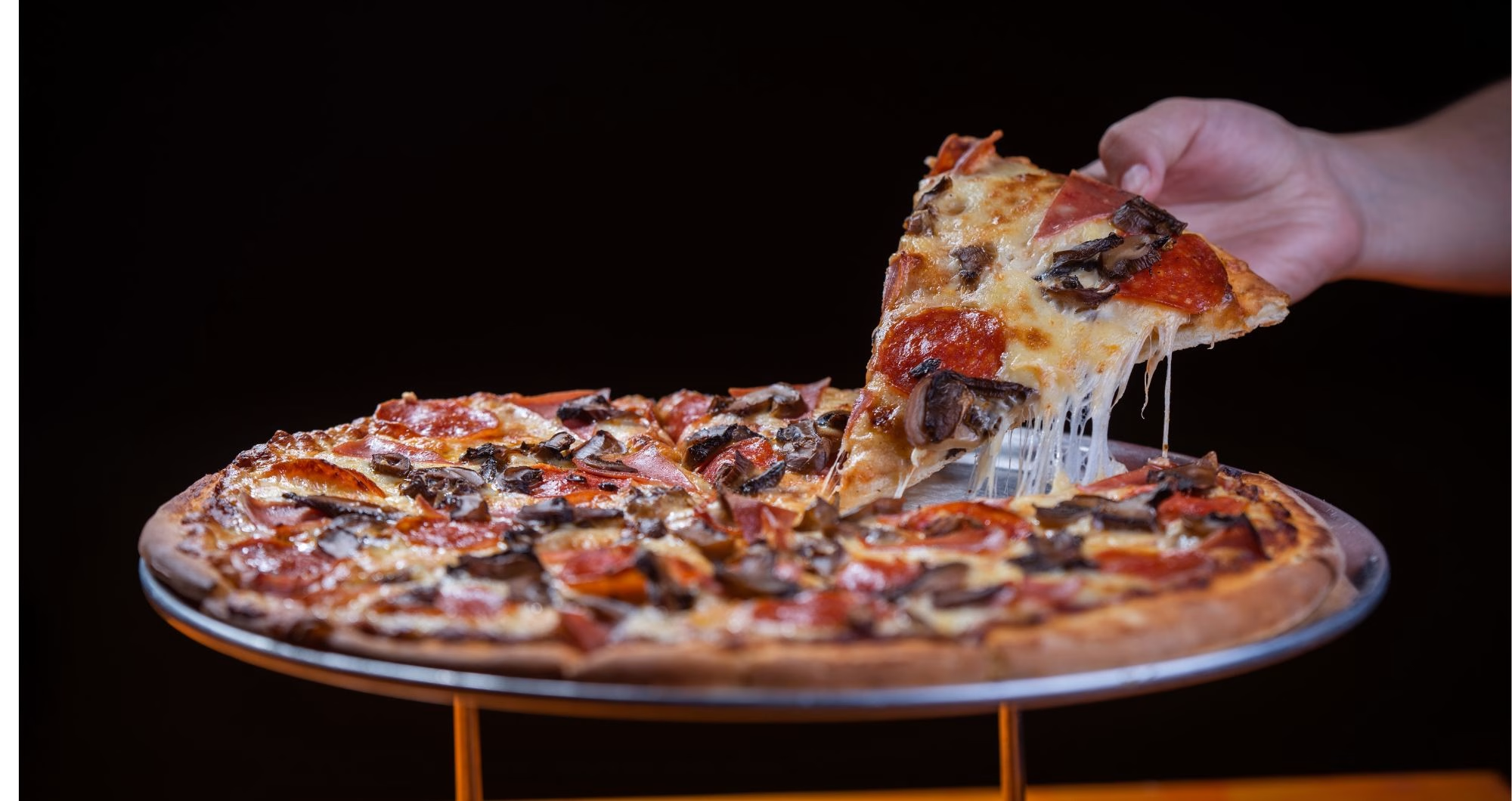

If you’re thinking about investing in a pizza franchise this year, you’re not alone. Pizza is one of the most consistent categories in the food business. But just because it’s popular doesn’t mean it’s always profitable. Before you sign any paperwork, you need to know what you’re getting into.
Here are five things to keep in mind before you invest your time and money.
1. The startup costs can vary… A lot
Not all pizza franchises cost the same to open. Some brands offer smaller takeout-only models. Others require a full dine-in buildout with ovens, furniture, and staff. That difference can mean hundreds of thousands of dollars.
Here’s a snapshot of the range based on real data:
| Brand | Estimated startup cost | Franchise fee |
| Domino’s | $145,000 – $500,000 | $10,000 |
| Marco’s Pizza | $242,000 – $633,000 | $25,000 |
| Papa John’s | $130,000 – $844,000 | $25,000 |
| Blaze Pizza | $319,000 – $858,000 | $30,000 |
(Source: SharpSheets.io)
Keep in mind these numbers don’t include working capital or lease costs. It’s not just about how much money you have — it’s about how long you can keep the business going until it starts making money.
2. Revenue isn’t guaranteed
Most franchise sites will show you impressive numbers about average unit sales. But averages can be misleading.
Some locations do over a million dollars a year. Others barely break even. Your success will depend on your location, your local market, and how well you run things. Don’t expect the brand to do the work for you.
Before you buy in, ask the franchisor for the most recent Franchise Disclosure Document (FDD). Look at Item 19, which shows financial performance. Then, speak to actual franchisees—not just the ones the brand suggests.
3. Delivery and digital ordering are critical
Today, most pizza is ordered online or through an app. In fact, Domino’s reported that over 80% of its U.S. sales now come from digital channels.
If the brand you’re looking at doesn’t have a strong tech system, you’ll likely struggle. People want quick ordering, real-time tracking, and simple payment. The easier it is for them to get their pizza, the more sales you’ll make.
Don’t assume every brand has this figured out. Ask for a demo. Try placing a mock order. Look at app reviews. You’ll learn a lot.
4. Staffing can be a challenge
Pizza places aren’t immune to staffing shortages. If your concept includes a full kitchen, dine-in space, or delivery drivers, you’ll need to find and keep good people. That’s not always easy.
Smaller footprint stores or carryout-only models might be easier to staff. Some operators also use third-party delivery apps like Uber Eats, which helps reduce driver costs but eats into your profits.
The more people you need to run your store, the more stress you’ll carry when someone doesn’t show up. Be honest about what you’re ready to manage.
5. Location still matters
Even with strong delivery, your physical location still plays a huge role in your success. Rent, parking, foot traffic, and nearby competitors—they all affect your daily sales.
Some brands let you choose your location. Others assign one to you. Either way, you need to run the numbers. Look at local traffic, talk to nearby businesses, and ask the franchisor what support they offer for real estate.
The wrong spot can sink you, even with a strong brand behind you.
Final thoughts
Buying into a pizza franchise can be a smart move if you go in with your eyes open. It’s not passive income, and it’s not a guaranteed win. But if you understand the costs, ask the right questions, and choose a brand that fits your skills and market, it can turn into a steady, long-term business.
Just remember — it’s your money, your store, and your responsibility. The brand gives you the framework. The rest is on you.







