


Balance appears to be elusive when leading busy lives, yet it can be highly attainable by including simple healthy habits. With these methods, caring for physical, mental, and emotional well-being becomes manageable. Here are seven tips to guide you on being balanced and healthy.
1. Prioritise Physical Activity
A person should always be engaging in the form of physical activity to keep an optimum healthy status. Exercise helps maintain body weight and prevents the risks of chronic disease, enhances mood and boosts energy, and ensures good sleep. Incorporate different types of workouts to keep your routine interesting and effective.
Try Different Workouts
- Cardio Workouts: Activities include brisk walking, jogging, swimming, and cycling. Persons should aim to accumulate a minimum of 150 minutes per week of moderate-intensity aerobic activity or at least 75 minutes of vigorous-intensity activity each week.
- Muscle Strengthening: Exercise your muscles at least two days a week. Use dumbbell weights, resistance bands, or your own body weight to perform muscle-strengthening activities that build up muscles and bone strength.
- Flexibility and Balance: Engage in activities like yoga, pilates, or Tai Chi to develop flexibility and balance, and in general for the management of stress.
Incorporate Fun Activities
Make exercise enjoyable by combining fun activities. One exciting option is bungee jumping or trampoline exercise. It is a low-impact workout that is as efficient as it is fun. Incorporating a bungee rebounder into your routine can transform your workout sessions into a fun and exhilarating experience, helping you stay consistent and look forward to exercising. It improves the cardiovascular system, muscles, and coordination while being gentle on the joints.
2. Eat a Balanced Diet
A balanced diet ensures that the body gets the necessary nutrients for proper functioning. This entails the intake of all food groups, such as fruits, vegetables, grains, protein foods, and dairy.
Focus on Whole Foods
- Fruits and Vegetables: Fill at least half the plate with fruits and vegetables. They are full of the right kind of vitamins, minerals, and fiber.
- Whole Grains: At least half the diet consists of whole grains. These include whole grains like brown rice, quinoa, and oats, as well as products made from whole wheat instead of refined grains.
- Lean Proteins: Vary the protein you eat by choosing seafood, legumes, and nuts, including beans, peas, and soy products. Limit the red and processed meats and keep proteins lean.
- Healthy Fats: Incorporate healthy sources of foods with fat, such as Avocados Nuts Seeds.

Stay Hydrated
General health relies on drinking enough water. A minimum of eight 8-ounce glasses of water is recommended per day. Water intake can also come from herbal teas, vegetables, and fruits with high water content.
3. Quality Sleep
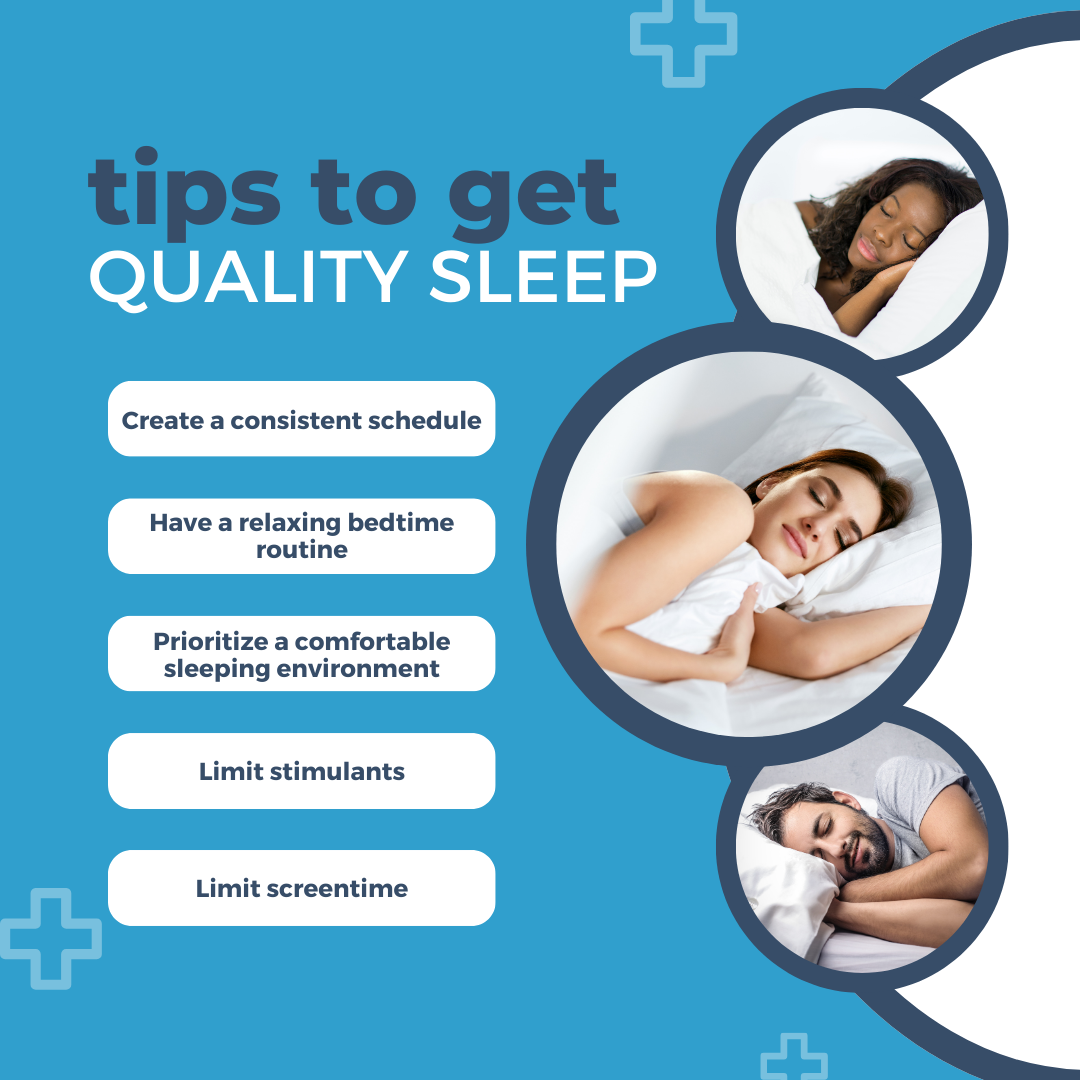
Quality sleep is very crucial to the overall health and wellness of every individual throughout their life span. It optimizes living by contributing to physical health, mental health, quality of life, and safety.
- Regular Schedule: Try to go to bed and wake up at the same time each day, even on weekends.
- Establish a calming going-to-bed ritual: this might begin a couple of hours before bed. Shortly before bedtime, he should relax by reading a book, taking a warm bath, or meditating.
- A good sleep environment: darken the room and make it quiet and cool. It would be great to consider the purchase of a good mattress and pillows for him.
Limit stimulants and excessive bright light
Avoid caffeine and heavy meals near bedtime, and reduce exposure to screens from phones, tablets, and computers at least one hour before going to bed.
4. Managing Stress
Chronic stress is detrimental to your health and can cause problems such as high blood pressure, heart disease, obesity, and diabetes. Effective stress management is the key to balancing your lifestyle.
Practice Mindfulness
- Meditation: Take a few minutes each and every day to meditate and clear your mind to help fight stress.
- Deep Breathing: Another relaxation practice involves inhaling slowly through the nose, counting to a few, and then exhaling slowly through the mouth.
Stay Organised
Keep a date planner or an online calendar. Keeping organized will help you sort out your tasks, goals, and due dates. When you divide a task into steps, everything looks much more manageable.
Engage in Relaxing Activities
Spend time doing activities you enjoy—be it reading, gardening, listening to music, or socially connecting with friends and family—to receive emotional support and reduce stress.
5. Maintain Healthy Relationships
Good relationships with close individuals are the key to protecting your mental health and increasing your emotional resilience. Stay close to supportive people to ensure no one bears their feelings alone.
Communicate Effectively
- Active Listening: Observe the speaker; don’t interrupt and try to respond after a pause.
- Self-expression: Speak up about your feelings, needs, and wants. If you express, communication and goodwill in relations can avoid many misunderstandings.
Show Appreciation
Appreciate people from time to time. Saying “thank you” or just through a note written with a heavy heart in it.
Set Boundaries
Set healthy boundaries in your relations to enable them to be respectful, supportive, and loving. Always ensure you check clearly on your limits.
6. Reduce Screen Time
Excessively using digital screens—on your mobile phone, computer, or TV—can have an impact on your health in various ways; these include straining your eyes, causing poor posture, and even influencing your normal sleep patterns. It can also contribute to a sedentary lifestyle and increased stress.
Set Screen Time Limits
- Daily limits: Set some screen time daily limits for leisure activities. Use apps and tools to put limits on screen time.
- Screen-free zones: Create screen-free zones around the house, such as in the dining area and bedrooms, so as to foster better quality facetime and sleep.
Take Breaks
Follow the 20-20-20 rule — every 20 minutes, take a break of 20 seconds and look at anything at least 20 feet away to ward off eye strain. Also, rise up, stretch, and move from time to time to fight the consequences of sitting long hours.
7. Practice Self-Care
Engaging in self-care means taking time to nourish yourself, which is indispensable for leading a balanced and healthy life. Self-care is considered the activity that a person does to invest in their total well-being—their physical, mental, and emotional self.
Physical Self-Care
- Regular Exercise: Keep physical exercise in your daily or weekly routine, as it will enhance your mood and energy.
- Healthy Eating: Find a balanced, well-nourished diet full of nutrients.
Mental Self-Care
- Learning and Growth: Be active with those hobbies, books, crossword puzzles, or anything that will keep you learning or gaining mastery of something new.
- Mindfulness and Relaxation: Do some mindfulness practices, like yoga or meditation, to calm your mind and relieve the body from stress.
Emotional Self-Care
- Feel and Embrace Your Emotions: Journal, talk to a friend, or get professional help to feel and embrace them.
- Positive Relationships: Fill your circle with people who encourage and cheer you on positively.
Conclusion
These helpful tips for a healthy lifestyle can help you maintain balance and self-realization in your life. Remember, it’s all about small, sustainable changes that add up to your general well-being. Remember, each step you make towards being more physically active, eating a balanced diet, getting a good night’s sleep, managing your stress, maintaining healthy relationships, limiting screen time, or taking care of yourself infinitely brings you closer to a healthier, more balanced life.
You can live a high-quality life if you make your health and well-being a topmost priority. You can also manage all the tasks and challenges in life effectively. You can start today to see changes on your own by incorporating these healthy habits into your life.
FAQs
How often do I need to exercise for a healthy lifestyle?
The recommended guideline is that one should engage in at least 150 minutes each week of moderate-intensity aerobic activity or 75 minutes each week of vigorous-intensity aerobic physical activity and muscle-strengthening activities at least a couple of days each week. It is important to do a combination of aerobic, muscle, and stretching exercises in order to achieve a well-rounded maximum health benefit.
Could you please suggest a few simple tips for managing stress in daily life?
Mindfulness techniques can be very important. Exercising techniques like meditation and deep breathing can help one to be calm or relieve stress. Being organized and maintaining relaxation with a planner can reduce stress along with activities or hobbies that are stress relieving.
In what ways can I better my diet to support a balanced lifestyle?
Focus on a diet that is primarily whole foods such as fruits, vegetables, whole grains, lean proteins, and healthy fats. Drinking adequate amounts of water and minimizing processed foods and sugary drinks also form a healthy diet.







