
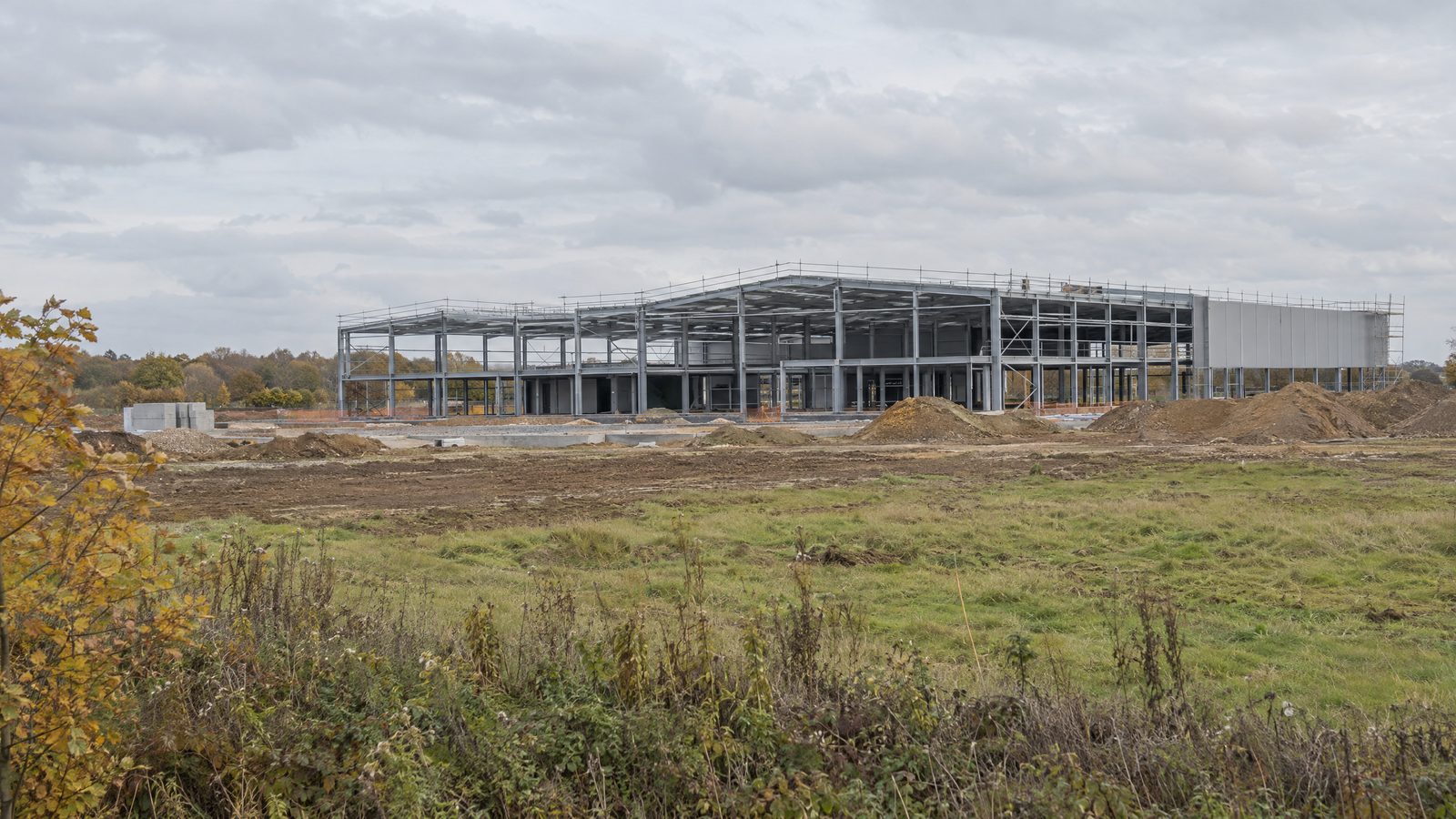

A new UK-wide programme has launched to help unlock up to 10 stalled industrial and commercial sites, deploying around £700m in finance and technical support. The Strategic Sites Accelerator aims to attract up to £2bn in private investment over time, although that remains a target rather than a secured outcome.
The programme, which began on 2 November, is designed for sites with credible market demand where development has been held back by planning, grid, finance or other viability barriers. Its focus is on combining investment with practical support for projects that have demand but face obstacles to progressing.
Support will be available through equity, debt, targeted grants and technical assistance. These are distinct forms of help within the same programme: the £700m is not described as a grant-only allocation. The mix allows for financial investment alongside support directed at the barriers affecting a site’s viability.
The scope is also specific. The accelerator concerns industrial and commercial sites, with an ambition to unlock up to 10 projects. That upper limit is not a statement that 10 sites have already been selected, financed or delivered. The launch establishes the programme and its intended reach, rather than confirming completed developments.
Potential work is already under way in Glasgow, Burgess Hill and Sheffield. Those locations indicate where activity has begun, but their status remains prospective. They should not be read as a list of confirmed completed schemes or as a guarantee that each location will receive a particular amount of funding.
The programme is open across every UK nation and region. Its geographical scope therefore extends beyond the three places where potential work is already happening. The nationwide remit sits alongside the limited number of sites it aims to unlock, making it a targeted initiative rather than an unrestricted commitment to support every stalled project.
Credible market demand is central to the programme’s design. The intended projects are not simply sites awaiting development: they are sites where demand exists but planning, grid, finance or another viability barrier has stalled progress. The accelerator brings those different categories of obstacle within one framework of finance and technical support.
The announcement does not establish that the same barrier applies at every potential location. Planning, grid and finance are identified as possible constraints within the programme’s remit, alongside other viability issues. The position of the work in Glasgow, Burgess Hill and Sheffield remains described as potential, without a confirmed delivery outcome.
The private investment ambition is separate from the approximately £700m the accelerator will deploy. Officials aim to draw in up to £2bn over time, rather than presenting that sum as money already committed. Both the scale and timing of that ambition matter: “up to” is a ceiling for the target, while “over time” leaves it prospective.
Similarly, the programme’s launch is not a planning-rule change. It is an operational initiative centred on financing and delivery support for strategic industrial and commercial sites. Planning barriers are among the issues it is designed to address, but the launch itself should not be taken as confirmation that those barriers have been resolved.
For now, the confirmed development is the start of a UK-wide accelerator with around £700m to deploy, several forms of support and an intended reach of up to 10 sites. Progress at individual locations, the unlocking of development and the attraction of private capital remain the programme’s objectives, not guaranteed results.







