

Choosing A-Level sciences at 16 shapes sixth form, university, and careers in London. This guide covers subject fit, entry requirements, exam-board alignment, science revision, and simple readiness checks for A-Level Physics, Chemistry, and Biology. London pupils face a big decision in Year 11: which A-Level sciences to take at sixth form. Entry requirements, exam boards (AQA, OCR, Pearson Edexcel), practical work, and maths all matter. Here’s a simple, practical plan to choose well and prepare, with clear science revision steps suited to London schools.
Which science suits you?
Each A-Level science rewards different strengths. Match your GCSE Science and Maths profile to the subject’s demands, then check mock results and future plans.
A-Level Physics: strong GCSE Maths, modelling, vectors, graphs, and problem-solving.
A-Level Chemistry: multi-step methods, stoichiometry, organic mechanisms, careful practical technique.
A-Level Biology: systems thinking, data handling, extended written explanations, application of concepts.
Decision factors: enjoyment, mock performance, sixth form options, degree or career goals in London’s STEM sectors.
Entry criteria and readiness check
- Typical sixth form entry requirements: strong GCSE grades in Science and Maths for A-Level sciences.
- Maths in science: rearranging equations, standard form, ratios, gradients, and units.
- Quick self-audit: review mock papers with mark schemes, note teacher feedback, and identify gaps before A-Level start.
Exam boards and fit
For A-Level sciences in London, exam-board fit matters because question style, command words, and data handling differ across AQA, OCR, and Pearson Edexcel. Core content overlaps, but paper structures and required practicals change expectations for A-Level Physics, Chemistry, and Biology. If you are changing schools or sixth forms, align topics early: check the exact specification, sample papers, and mark schemes so science revision targets the right skills from week one.
Workload and timetable
Plan realistically for A-Level study: around 4–6 classroom hours per science each week, plus 4–6 hours of independent science revision. Spread practical lessons sensibly and avoid heavy back-to-back lab days so write-ups stay clear and accurate. Protect time for clubs, part-time work, or caregiving, and only add extra support, such as school clinics or targeted science tutoring, once the timetable feels sustainable.
Science Past papers, done sensibly
Start past papers untimed to secure accuracy, then move to timed chunks before attempting full papers. Highlight command words, note where data handling or evaluation costs marks, and keep a simple mistake log you revisit weekly. Mark against official mark schemes and finish each session with one actionable improvement note so science revision translates into higher A-Level performance.
Choosing support wisely
Pick A-Level science help in London that matches your specification (AQA, OCR, or Pearson Edexcel), is mark-scheme fluent, and teaches required practical’s explicitly, not just theory. Check safeguarding, clear communication, predictable pricing/schedule, and simple progress tracking. Choose in-person or an online science tutor that fits a sixth form timetable and your science revision plan.
Term-by-term plan
Late Year 11–summer: fix core maths (rearranging, ratios, standard form), sample one A-Level paper, start a light science revision routine. Year 12 autumn: build weekly habits, learn required practical’s, keep an equations/units sheet. Year 12 spring: add weekly timed sets, act on mock feedback, strengthen graphs and data handling. Year 13: widen past-paper coverage across AQA/OCR/Edexcel, tighten timing, protect rest.
Conclusion
Choose A-Level sciences that fit your strengths and sixth form goals, keep science revision small and steady, and use London’s museums, libraries and school support before adding targeted science tuition. If gaps persist, a focused, exam-board-aligned plan, backed by past papers and mark schemes will help you prepare with confidence.
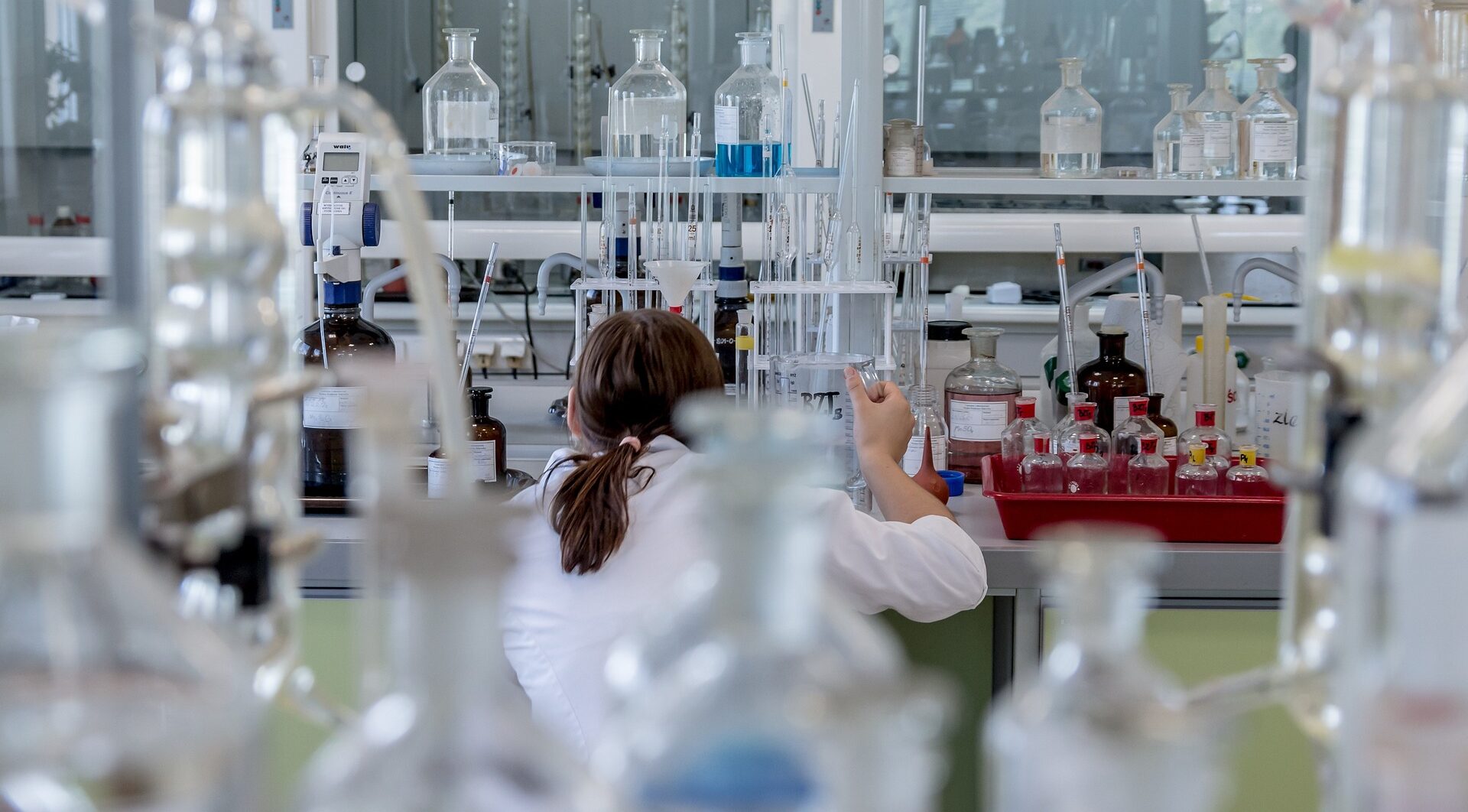
Feature Image by Michal Jarmoluk from Pixabay







