
Ofcom revoked the UK broadcast licence of an Arabic-language news channel aimed primarily at audiences in Bahrain on 27 November, with immediate effect. The licensing decision prevents the service from broadcasting through regulated television programme guides in the UK, but does not prevent its continued online livestream.
The revocation follows a finding that the company holding the licence is not fit and proper to retain it under the Broadcasting Act. The decision concerns the company’s suitability to act as a responsible broadcaster, taking account of streamed content, social media activity and its engagement with the regulator.
Television licensing and online access
The channel was available to UK audiences through a livestream on its website. It was not being broadcast as a regulated television service in the UK under the licence that has now been revoked.
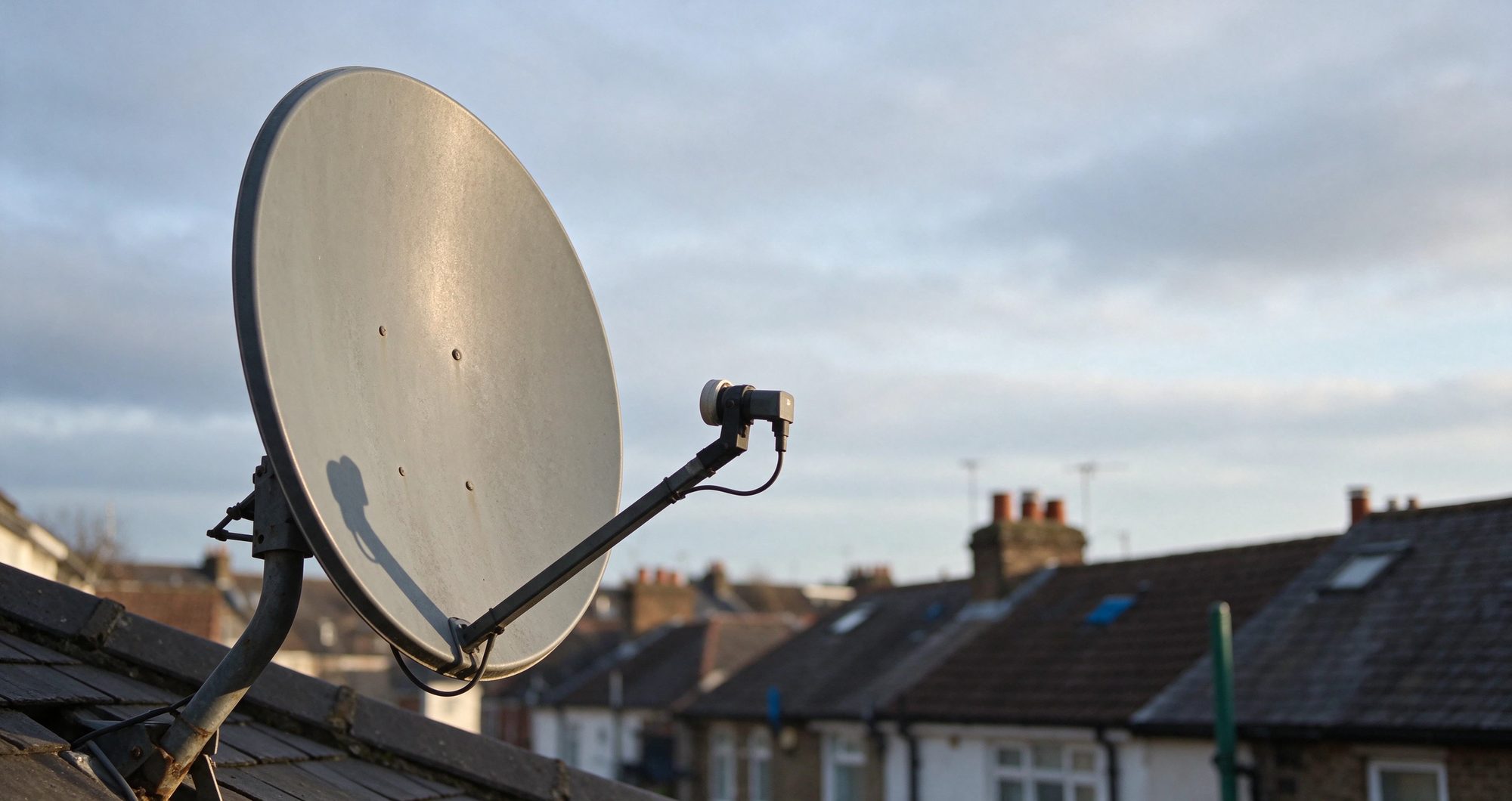
That distinction limits the practical effect of the action. The service cannot broadcast through a regulated electronic programme guide on satellite, cable or digital terrestrial television. Its internet stream is not shut down by this licensing decision, and the content available on the website is outside the scope of the Broadcasting Code.
The licensing framework and the Broadcasting Code apply to services broadcasting through regulated electronic programme guides. The assessment of whether a company is fit and proper to hold a licence can nevertheless take account of wider conduct, including activity that raises concerns about audience harm or the company’s approach to regulatory compliance.
Content examined in the assessment
The investigation followed the discovery on 7 October 2026 that the channel’s website was livestreaming a television service containing a 45-minute speech by Abdul Malik al-Houthi, the leader of Yemen’s Houthi political and paramilitary group.
The regulatory findings identified material in the speech that glorified the attacks of 7 October 2023 and the actions of Hamas, Hezbollah and Palestinian Islamic Jihad, which are proscribed terrorist organisations. The assessment also identified unchallenged and uncontextualised hate speech, alongside abusive and derogatory treatment towards Jewish people.
The findings concerned more than the presence of controversial views in a programme. The material was assessed as supporting and promoting terrorist actions and ideology without editorial challenge, critical analysis or context, rather than simply reporting those events.
Several posts on a social media account associated with the channel were also examined. The regulatory findings identified posts supporting, promoting or glorifying the actions of proscribed terrorist organisations and their leaders, or seeking to encourage support for them.
The investigation established a direct operational relationship between the licence-holding company, the service streamed on the website and the material posted on the social media account. The company’s lack of openness and transparency over the provision of accurate recordings was another factor in the fitness assessment.
Responsibilities and freedom of expression
Ofcom has a continuing duty to ensure that broadcast licence holders remain fit and proper. Its assessment centres on whether a licence holder can be expected to behave responsibly, while also considering whether continued ownership could undermine trust in the broadcasting system.
The regulatory position preserves the distinction between legitimate commentary on events in the Middle East, including critical viewpoints and reporting on proscribed groups, and coverage that promotes terrorism or incites crime. Freedom of expression remains part of that assessment.
Revoking a licence significantly interferes with a broadcaster’s freedom of expression. The decision was assessed as proportionate to the statutory aims of protecting public safety, helping to prevent disorder or crime and protecting the rights of others. It changes the channel’s UK television licensing status without preventing its continued livestream to online audiences.