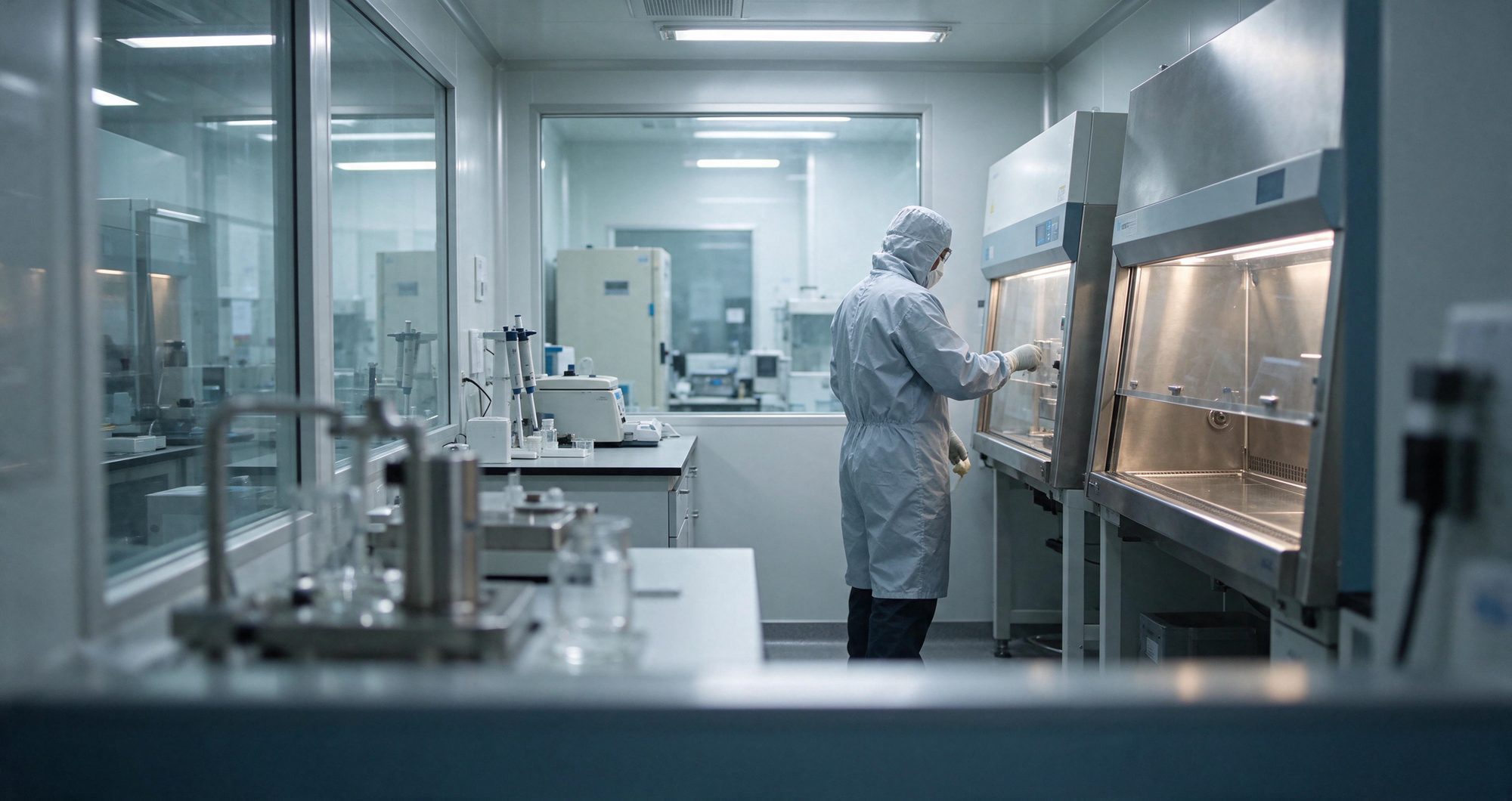

A new high-containment laboratory has been inaugurated in Lucknow to support research on tuberculosis and infections caused by related bacteria. The facility adds Biosafety Level-3 and Animal Biosafety Level-3 research infrastructure to the Central Drug Research Institute, strengthening its capacity to study challenging infectious diseases and investigate potential treatments.
The laboratory was opened on 27 November by Jitendra Singh, India’s minister of state with independent charge for science and technology. The Dr B. Mukerji Lecture Theatre was inaugurated during the same visit, which brought together scientists, students, medical institutions and pharmaceutical industry representatives.
Research on tuberculosis and related infections
The new facility is intended for scientific studies involving Mycobacterium tuberculosis and non-tuberculous mycobacteria. Its combined designation covers Biosafety Level-3, abbreviated to BSL-3, and Animal Biosafety Level-3, or ABSL-3. The opening provides additional high-containment infrastructure for the institute’s infectious-disease research.
Work in the laboratory will focus on understanding how these infections develop and exploring possible medicines. The intended contribution is to strengthen the research process, rather than to introduce an already completed treatment. The inauguration does not establish that a new tuberculosis medicine has been approved or is ready for patients.
The institute also signed collaborative agreements with the National Institute of Research in Tribal Health in Jabalpur, Uttar Pradesh University of Medical Sciences in Saifai and Medanta Hospital in Lucknow. These partnerships are intended to support joint research and help connect laboratory discoveries with clinical development.
Building on existing drug-discovery capacity
The Central Drug Research Institute is part of the Council of Scientific and Industrial Research. Its work already spans drug discovery, clinical development, diagnostics and technologies used in medicine production. Thirteen drugs developed by the institute have reached the market, while more than 80 process technologies and six diagnostic technologies have been licensed.
Its wider research record includes more than 12,000 published research articles and over 1,000 patent filings across India and other countries. Those figures describe the institute’s accumulated work, not outputs from the newly inaugurated laboratory.
Existing infrastructure includes a library of approximately 90,000 molecules, more than 50 animal models and over 30 laboratory screening systems. The institute also has advanced analytical equipment, toxicology and safety pharmacology facilities certified for good laboratory practice, and specialised infrastructure for assessing cardiac safety.
The new containment facility sits alongside these capabilities. It adds infrastructure for studies involving the specified mycobacteria within an institution that already has tools for screening compounds and investigating their biological effects and safety.
Connecting research with clinical development
The inauguration programme also addressed the wider challenge of developing innovative medicines in India, rather than concentrating primarily on generic manufacturing. Priorities included closer working between research institutions, pharmaceutical companies and hospitals, with clinical needs helping to shape scientific research.
Early industry participation and stronger technology transfer were identified as ways to help promising discoveries progress towards further development, clinical evaluation and commercialisation. Integrating biology and chemistry with computational sciences and artificial intelligence was another priority for the drug-discovery process.
The institute’s existing development pipeline includes a standardised extract of Picrorhiza kurroa for metabolic dysfunction-associated steatotic liver disease, which has completed Phase III clinical trials. Two other compounds, L-Ormeloxifene for contraception and S007-1500 for fracture healing, have entered Phase I trials.
These projects are at different stages of clinical development and are separate from the new laboratory’s tuberculosis research remit. Trial milestones describe progress in investigation, not a guarantee of approval or effectiveness. The immediate development in Lucknow is the inauguration of additional research infrastructure, supported by new institutional partnerships.