
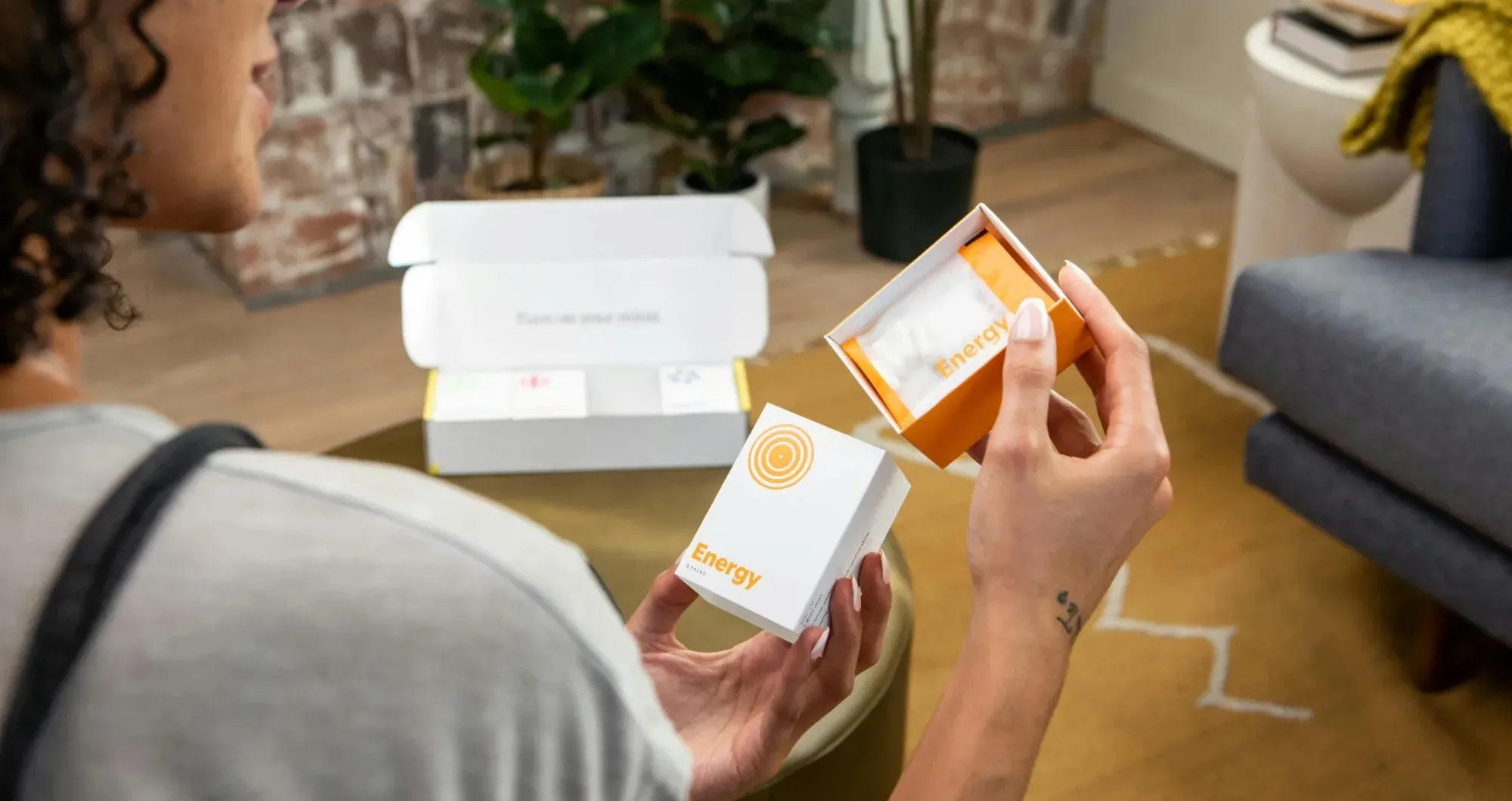

When most people think of energy gels, images of marathon runners, cyclists on steep mountain climbs, or elite triathletes emerge. After all, these pocket-sized pouches of fast-absorbing carbohydrates have long been associated with endurance sports.
But there’s a growing question worth asking: Are energy gels just for athletes, or could they help the rest of us, too?
As life gets busier and days get longer, many people seek smarter, more efficient ways to stay fuelled – whether commuting across the city, juggling meetings and childcare, or powering through revision before an exam. Surprisingly, energy gels might just have a role to play.
What Are Energy Gels, Really?
Energy gels are concentrated carbohydrate-based products designed to deliver a quick burst of usable energy, typically in the form of sugars like glucose, maltodextrin or fructose. They’re small, portable, and designed to be digested quickly without requiring chewing, making them ideal when you’re on the move or don’t have time for a sit-down snack.
Some gels are caffeinated, offering a mental lift alongside the carb hit. Others include electrolytes, helping to replenish minerals lost through sweat. And while their origins lie firmly in the world of sport, the reasons they work for endurance athletes – fast energy, low fuss, convenient size – are exactly why they’re now making their way into more everyday routines.
Everyday Situations Where Energy Gels Make Sense
1. Busy Morning Commutes
Not everyone has time for breakfast or even a coffee before the school run or train dash. While it’s not a long-term substitute for a balanced meal, an energy gel can offer a fast energy top-up to help keep you alert and avoid mid-morning crashes.
Caffeinated gels can be especially useful here. They’re faster-acting than coffee and require no prep – just grab one and go.
2. Long Work Days and Back-to-Back Meetings
If your day is filled with calls, deadlines and to-do lists, it’s easy to forget to eat – or not want to slow down. A gel can be a handy emergency fix when your concentration dips and you feel yourself flagging.
Unlike sugary snacks or energy drinks, which can cause a rapid crash later, quality gels are designed for sustained energy release. Some now use dual-carb formulas (like glucose and fructose) to maximise absorption without dramatically spiking blood sugar.
3. Parents on the Go
From nursery drop-offs to football training pick-ups, parenting doesn’t exactly offer scheduled meal breaks. Many parents are turning to energy gels as a small, stowable energy boost to tide them over between meals, especially during chaotic afternoons.
Bonus: they won’t melt, spill, or need refrigeration, so you can leave one in your bag for those “just-in-case” moments.
4. Students and Revision Sessions
Late-night study, long exam days and caffeine-heavy habits can leave students drained. An energy gel provides clean, convenient fuel to help maintain mental focus during intense revision periods, especially during afternoon slumps or before sitting a paper.
Gels with moderate caffeine and some added electrolytes may help avoid the jittery overload that comes with multiple energy drinks or large coffees.
5. Travel, Hiking and Days Without Meal Access
Whether you’re on a long-haul flight, stuck in motorway traffic, or walking all day through a city or the countryside, there are plenty of real-world situations where portable nutrition matters.
Energy gels offer an ultralight, no-mess, no-crumble solution – and many now use more natural ingredients like fruit purées or plant-based syrups, appealing to those who want to avoid synthetic additives.
But Are They Healthy?
This is the big question, and the honest answer depends on how you use them.
Energy gels are not meal replacements or everyday snacks in the traditional sense. They’re performance-focused supplements designed for specific energy needs, but that doesn’t mean they’re “bad” or unhealthy when used sensibly.
Look for:
- Low-added additives (or all-natural gels)
- No artificial sweeteners or colours
- Options with added electrolytes or natural caffeine sources (like green tea)
Used occasionally and for the right reasons, energy gels can be a smart solution to prevent fatigue, improve focus, and carry you through the day – without the need for constant grazing or sugary drinks.
Choosing the Right Gel for Everyday Use
Not all gels are created equal. If you’re not running a marathon, you likely don’t need a 40g carb bomb with 200mg of caffeine.
Instead, look for:
- Smaller-dose gels (around 15-20g carbohydrate)
- Natural or organic versions with real fruit or plant-based ingredients
- Caffeine-free options if you’re sensitive to stimulants
Also, try them in calm settings first. Everyone digests differently, and some people find they prefer certain brands or textures. Some gels are more like thick syrup, while others are closer to jam or puree.
Final Thoughts: Convenience Meets Smart Nutrition
Energy gels aren’t just for athletes. In today’s fast-paced world, they can offer a practical energy solution for anyone, from the tired parent to the overworked student, from the shift worker to the weekend traveller. While they’re not a replacement for whole food and balanced meals, they are a useful, convenient tool when time, energy, or access to food is limited.
Feature image by Thesis on Pexels







