
With Fulham facing expensive delays in their £120 million Riverside Stand development at Craven Cottage, it begs the question: are football stadium upgrades ever worth the investment?
West Ham’s Olympic Stadium Move
West Ham’s 2016 move from Upton Park to the London Stadium was a fairly unique situation, and even then it has produced mixed results. The increased capacity, from 35,000 to 57,000, has made West Ham United tickets easier to obtain, that’s for certain.
With additional plans to reach 60,000, it has certainly delivered in its commercial promises – the club sold over 50,000 season tickets and all corporate seats. Perhaps more importantly, the move created additional revenue streams. Not only in food and beverage sales along with a new Betway deal, but the stadium can be used for other events, which has the potential to bring in a lot additional revenue.
However, the transition wasn’t without controversy. The deal with the London Legacy Development Corporation was heavily criticised as taxpayers funded most of the £272 million renovation costs. West Ham paid just £2.5m per season in rent and only £15m toward renovations, making it a good example of how football clubs can win-win. Almost.
The atmosphere at the new stadium is a persistent concern, with the fans now further from the pitch and soul of Upton Park long gone. Arsene Wenger once admitted to Arsenal losing its soul during their move to the Emirates.
Tottenham’s Revolutionary Stadium
Tottenham Hotspur’s £850 million stadium was fully funded, yet is widely considered a triumph. It’s applauded for being the best, most modern stadium in the country, and has a much larger capacity of 62,000. It brings in a lot of revenue via NFL too, and its retractable pitch makes it highly versatile.
The financial fruits are already coming their way, with the club reporting £444 million in revenue for 2021/22, an £82 million increase from the previous financial year. The stadium has hosted Beyoncé’s UK tour in 2023, among other revenue-generating events.
Manchester United’s Dilemma
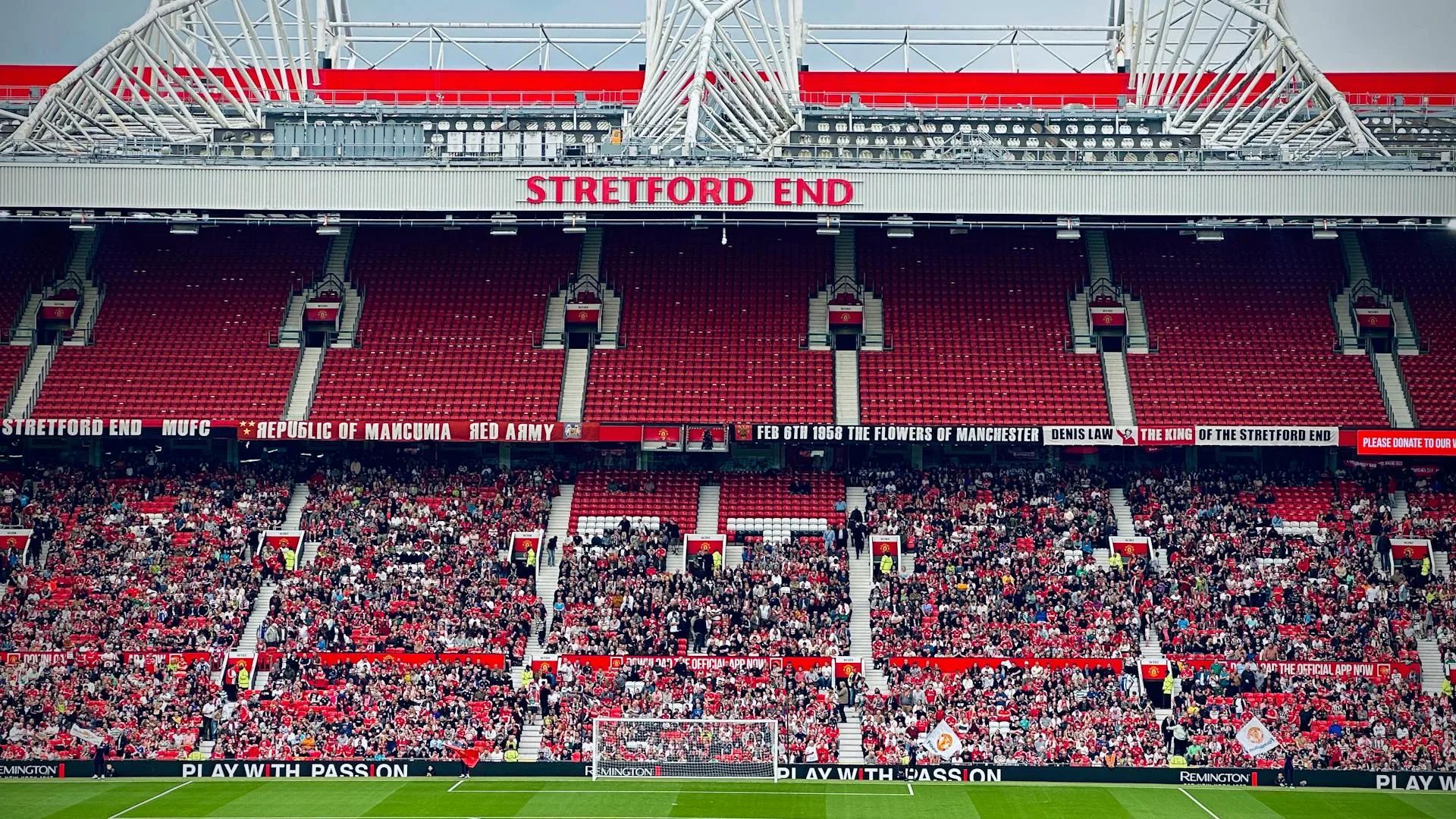
Manchester United now faces a big decision about Old Trafford’s future. Sir Jim Ratcliffe’s task force is considering two options: renovating the existing stadium to increase capacity to 87,000 or building a new 100,000-capacity “Wembley of the North” on nearby land.
A survey of over 50,000 United fans found that 52% prefer a new stadium and 31% support refurbishing Old Trafford – perhaps the rats and leaking roof are too off-putting to stick around. Currently, it’s possible to get Manchester United tickets via P1 Travel relatively easily, and it’s worth mentioning the current stadium has a lot of soul to leave behind. But, the club’s plans have received government backing, as Rachel Reeves supports the redevelopment idea as it promises to increase housing stock.
The project could result in around 50,000 new jobs, 15,000 new homes, and £4 billion to the local economy. It would be a chance to host big non-footballing events up north. But, a new stadium would cost over £2 billion and take six years to complete.
Worth the Investment?
Stadium upgrades are a tricky cost-benefit analysis to get right. They can deliver significant commercial benefits due to the bigger capacity and enhanced hospitality options, but not all stadiums can be a place for NFL and concerts – and if they were, this would take away from Spurs’ revenue. However, success depends on maintaining the club’s identity and atmosphere while managing costs effectively. For England fans, it’s good news as it only increases our chances of being able to host major tournaments.
West Ham’s experience shows the challenges of adapting, even when handed a big project for cheap. Tottenham demonstrates how purpose-built facilities, rather than general Olympic stadiums, can be the way forward when done right.
Feature image by Biswash Lamichhane on Pexels