
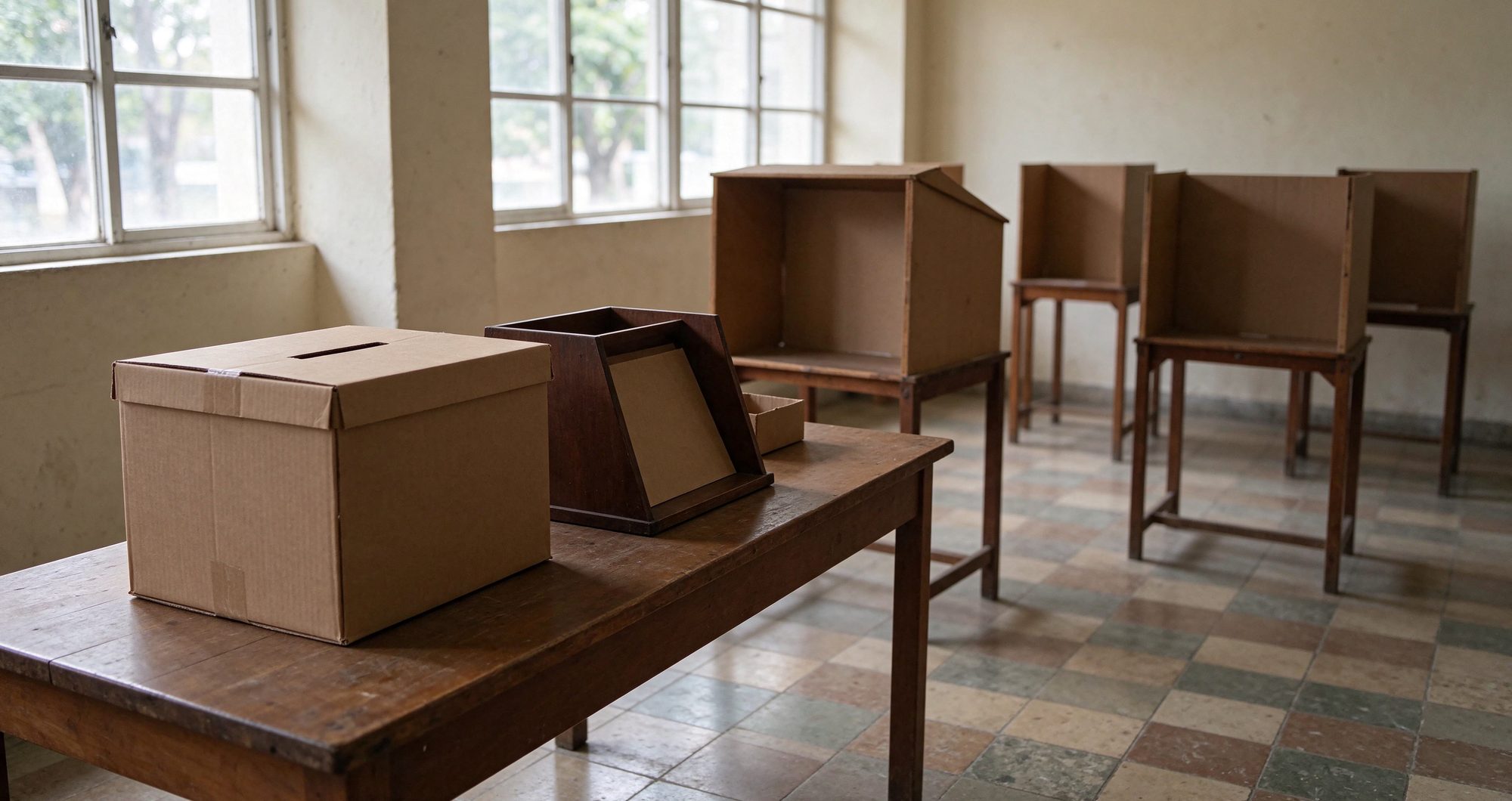

Argentina’s Senate has approved an electoral reform bill that would suspend the country’s mandatory primary elections in 2027, alongside changes to candidate eligibility, campaign advertising and presidential debates.
The government-backed proposal passed its general vote by 43 votes to 29 on Thursday, 26 November. The Senate said all its articles were subsequently approved, some with amendments. The legislation must still be approved by the Chamber of Deputies before it can become law.
The suspension would cover 2027 only, rather than permanently abolishing the primary system. That distinction is central to the agreement reached in the upper chamber, where supporters of the bill also expressed differing views about the future of primaries.
Candidate selection and eligibility
The elections, known by the Spanish acronym PASO, are open, simultaneous and mandatory primaries. Introduced in 2011, they allow voters to choose which candidates represent political forces and establish which parties qualify for the general election by clearing a minimum vote threshold of 1.5%.
Senator Agustín Coto, presenting the bill for the governing La Libertad Avanza party, said candidate selection under the proposed suspension would instead follow the internal rules of each party or alliance. The measure would therefore remove the nationwide primary stage for the next electoral year without ending the parties’ responsibility to select their candidates.
The package also incorporates a candidate-eligibility regime known as Ficha Limpia, or clean record. Under the proposed rules, people convicted of intentional criminal offences would be barred from standing where their conviction had been confirmed at a second judicial instance or on review.
The bill sets timing conditions for those restrictions. A confirmed conviction issued before the end of the year preceding an electoral process would affect eligibility for that election. Where confirmation came during the electoral year, the restriction would take effect after that process had ended. Ineligibility would continue until the conviction was overturned or the relevant sentence completed, subject to those timing provisions.
Electronic party affiliation would also be permitted. Coto said digital registration would coexist with the existing paper method, rather than replace it. The reform would amend both the Organic Law of Political Parties and the National Electoral Code.
Campaign rules and the next parliamentary stage
Mandatory presidential debates would be retained only for a second-round contest. The National Electoral Chamber would organise a public debate between the two remaining candidates within the ten days before the runoff, giving voters an opportunity to compare their programmes before deciding the presidency.
The bill would halve the share of programming that audiovisual services must provide free for electoral advertising, from 5% to 2.5%. Coto described the reduction as cutting an existing 40-second allocation to 20 seconds. It also proposes changes to the single-paper-ballot system, including an option to vote for a party’s complete list.
Commercial restrictions surrounding election day would be removed, while political restrictions, including those concerning opinion polls and electoral messaging, would remain. These provisions form part of a broader package, rather than a standalone decision about primaries.
Supporters argued that the changes would simplify voting and improve political representation. Patricia Bullrich, who leads the governing party’s Senate bloc, said the primaries had failed to deliver genuine competition in several elections. Senator Eduardo Vischi of the Radical Civic Union argued that rules adopted now would apply equally to all parties.
Opponents questioned the reform’s effect on representation and political financing. Justicialist Senator Daniel Bensusán criticised changes made to the original proposal and challenged whether it maintained democratic representation standards. Senator Edith Terenzi backed the suspension but said a comprehensive electoral reform remained outstanding.
Bullrich said she hoped the Chamber of Deputies could approve the bill during extraordinary sessions in December. For now, the Senate vote is an intermediate parliamentary step, not an enacted change to the 2027 election rules.







