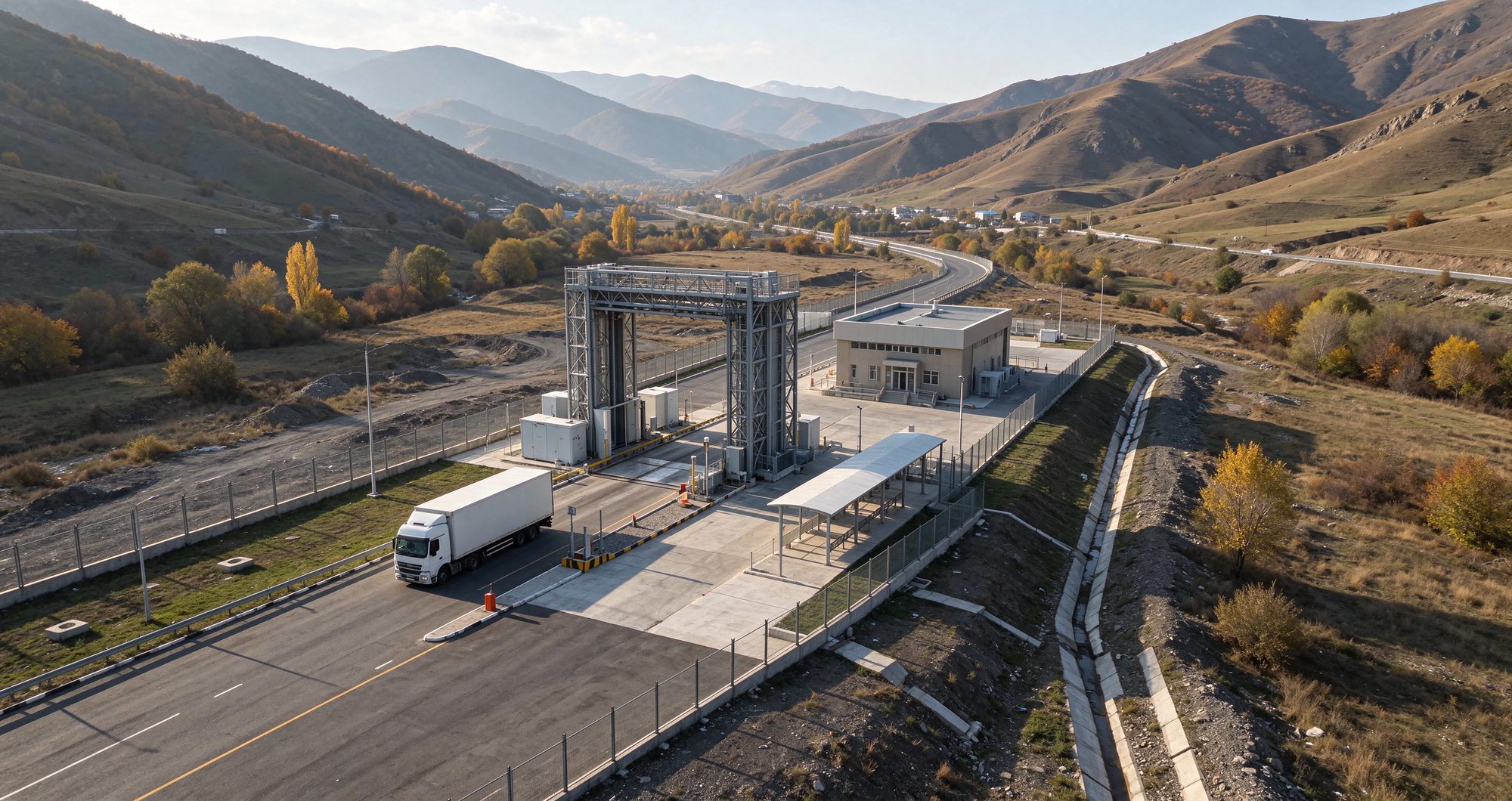

Armenia has signed a sovereign loan agreement for up to €19.6 million to upgrade border-control equipment, improve crossing infrastructure and support plans for a new customs laboratory. The financing will benefit the State Revenue Committee, which administers the country’s tax and customs system.
The loan is divided into two parts with different commitment conditions. Up to €15.6 million is allocated to equipment, installation and related works at border crossing points. A further tranche of up to €4 million is intended for the laboratory but remains uncommitted, with its development dependent on a feasibility study and a subsequent financing commitment.
The agreement therefore establishes a financing framework rather than confirming that every planned element is already funded or operational. It follows an earlier proposal to approve the borrowing and marks a further step towards delivery of the border modernisation programme.
Equipment for passengers and freight
Planned purchases include modern X-ray scanners, substance-detection devices and weighing systems. The investment combines these inspection tools with improvements to the infrastructure needed to install and use them at crossings.
Safety and mobility works also form part of the programme. These include an overpass ramp, electric shuttle buses, forklifts and scooters. The package brings together equipment for customs checks and transport within border facilities, rather than focusing solely on new scanners.
Armenia’s seven operational border crossing points handle around 6.7 million passengers and 500,000 heavy goods vehicles each year. The planned improvements are intended to make the processing of those movements safer, more secure and more efficient, while supporting international trade and the reliability of supply chains.
Faster clearance is an objective of the investment, not a result already demonstrated. Procuring and installing the equipment, completing related works and putting new procedures into practice remain part of the delivery process.
Customs reforms alongside physical works
The programme also includes support for the State Revenue Committee’s digital transformation. An assessment of the digital maturity of customs operations will help identify where changes are needed, followed by the development of a transformation roadmap.
Customs procedures will be redesigned in line with international good practice. The work will also identify regulatory and institutional changes needed for effective digital data governance and the future introduction of advanced electronic customs systems.
This places administrative reform alongside the physical investment. New inspection equipment is one part of the programme; the other concerns how customs operations are organised and how the institution prepares to manage digital change. The roadmap and procedure redesign are planned activities, rather than confirmation that a new electronic customs system has already been introduced.
The proposed laboratory is a separate element within that wider framework. Its tranche would cover equipment, installation and related works, but the uncommitted status of the financing means it should not be treated as an unconditional construction announcement.
Resilience and working conditions
Climate-resilience measures will be incorporated into the design, including improved drainage, flood protection and safeguards for electrical equipment. The electric transport component is intended to replace fossil-fuel alternatives within the facilities.
The modernisation works may create temporary local impacts such as noise, dust, construction waste and increased traffic. Construction environmental and social management plans are intended to mitigate those effects.
An agreed action plan also covers environmental management, dedicated and trained personnel, permits, waste handling and occupational health and safety. Improvements to amenities for employees and visitors are included, extending the programme beyond the purchase of inspection technology.
The border equipment loan builds on earlier investment in Armenia’s customs and logistics infrastructure, including the Meghri crossing and centres in Syunik and Yerevan. Those are separate projects, not additional works newly announced through this agreement. The latest financing focuses on inspection capacity, crossing infrastructure and institutional reform, with the laboratory remaining a conditional component.