
Canada has extended temporary Ebola-related immigration and border measures for another 90 days, keeping restrictions in place until 25 February 2027. The extension was announced on 27 November as monitoring continues of the outbreak in the Democratic Republic of the Congo and developments in neighbouring countries.
The immigration measures suspend documents for people outside Canada who listed the Democratic Republic of the Congo, South Sudan or Uganda as their country of residence when they applied. Previously approved documents remain affected. The new expiry time for the immigration measures is 11.59.59pm Eastern Time on 25 February.
New and existing applications covered by the restrictions will continue to be processed, but they will not be finalised while the measures remain in place. The extension therefore maintains both the suspension of affected travel documents and the pause on final application decisions.
Residence, rather than citizenship
The immigration suspension is based on the country of residence recorded in an application, not a person’s citizenship. Citizens of the three countries who were living elsewhere when they applied are not affected by that residence-based suspension. Separate border and public health requirements can still apply because of recent travel.
The suspended documents include temporary resident visas, permanent resident visas, electronic travel authorisations and temporary resident permit counterfoils. A suspended document is temporarily invalid and cannot be used to travel to Canada.
Suspension does not extend a document’s expiry date. Someone whose document expires during the suspension needs to apply for another document for future travel. When the measures end, documents are due to be reactivated automatically, although further information may be requested before reactivation.
People who were already in Canada when the immigration measures began retain their authorised status and may stay for the period previously allowed. The temporary measures originally took effect late on 27 May 2026; the latest decision extends their duration rather than introducing the residence-based suspension for the first time.
Separate rules for recent travel
Border and public health measures operate separately under the Quarantine Act. They take account of whether a traveller has been in, or transited through, the affected countries, rather than only the residence information on an immigration application.
Foreign nationals who have been in the Democratic Republic of the Congo during the preceding 21 days are generally prohibited from entering Canada, boarding a flight to Canada or transiting through Canada. Specific exemptions apply, including qualifying crew members and certain people with diplomatic status.
Canadian citizens, permanent residents and people registered under the Indian Act may enter Canada after recent travel in the three countries. They must quarantine for 21 days after arrival unless exempt. Foreign nationals from other countries who have recently been in Uganda or South Sudan may also travel, subject to the applicable entry requirements and quarantine rules.
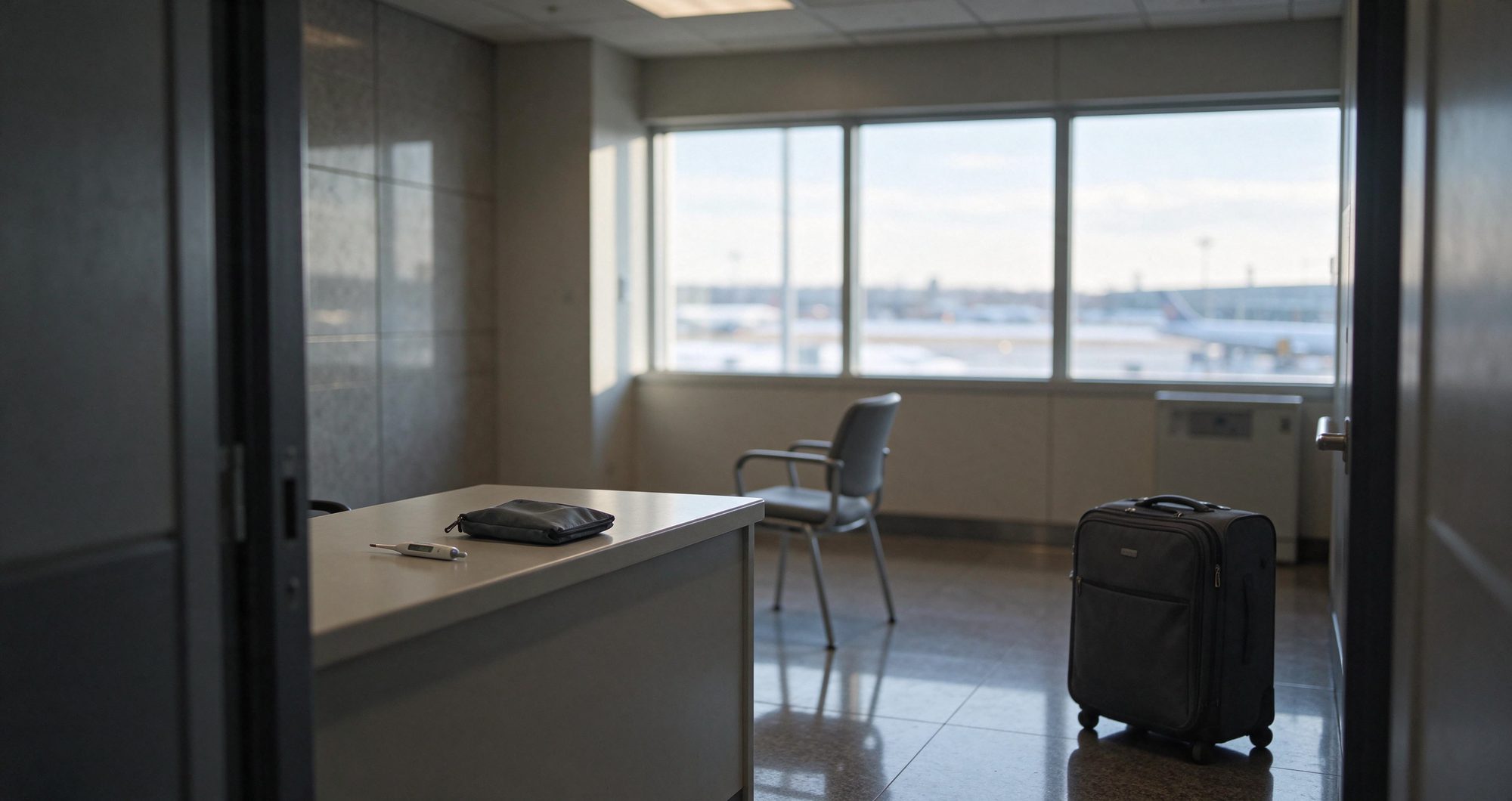
Eligible arrivals receive a health assessment. Those without Ebola symptoms who must quarantine go directly to their quarantine location and follow a quarantine officer’s instructions. Their daily monitoring kit includes a thermometer, instructions and a health record. People with symptoms receive an immediate medical examination and are placed in isolation and care.
Exemptions and quarantine arrangements
Requests for an exemption from the immigration suspension are considered individually. Applicants need to explain their circumstances, provide supporting evidence and show that they do not pose a public health risk. Factors considered include steps to reduce that risk, urgent protection needs where applicable, and humanitarian or compassionate circumstances.
A suitable quarantine plan must provide access to food, water, medication and local healthcare while avoiding direct contact with others. Eligible foreign nationals must arrange suitable accommodation and may be asked for evidence of paid bookings. Exemption from one part of the immigration or border arrangements should not be treated as exemption from every separate requirement.