

We’ve all been there. Driving down the road, you suddenly see your dirty car and realise it’s time for an automatic car wash. But this seemingly simple task can actually raise a lot of questions.
This guide explains everything about the automatic car wash experience. It covers topics you might be wondering about but are embarrassed to ask.
Understanding Automatic Car Wash Systems
Automatic car washes come in a few different forms. The main types you’ll encounter are touchless, friction-based, and tunnel systems. Each offers a slightly different approach to cleaning your car.
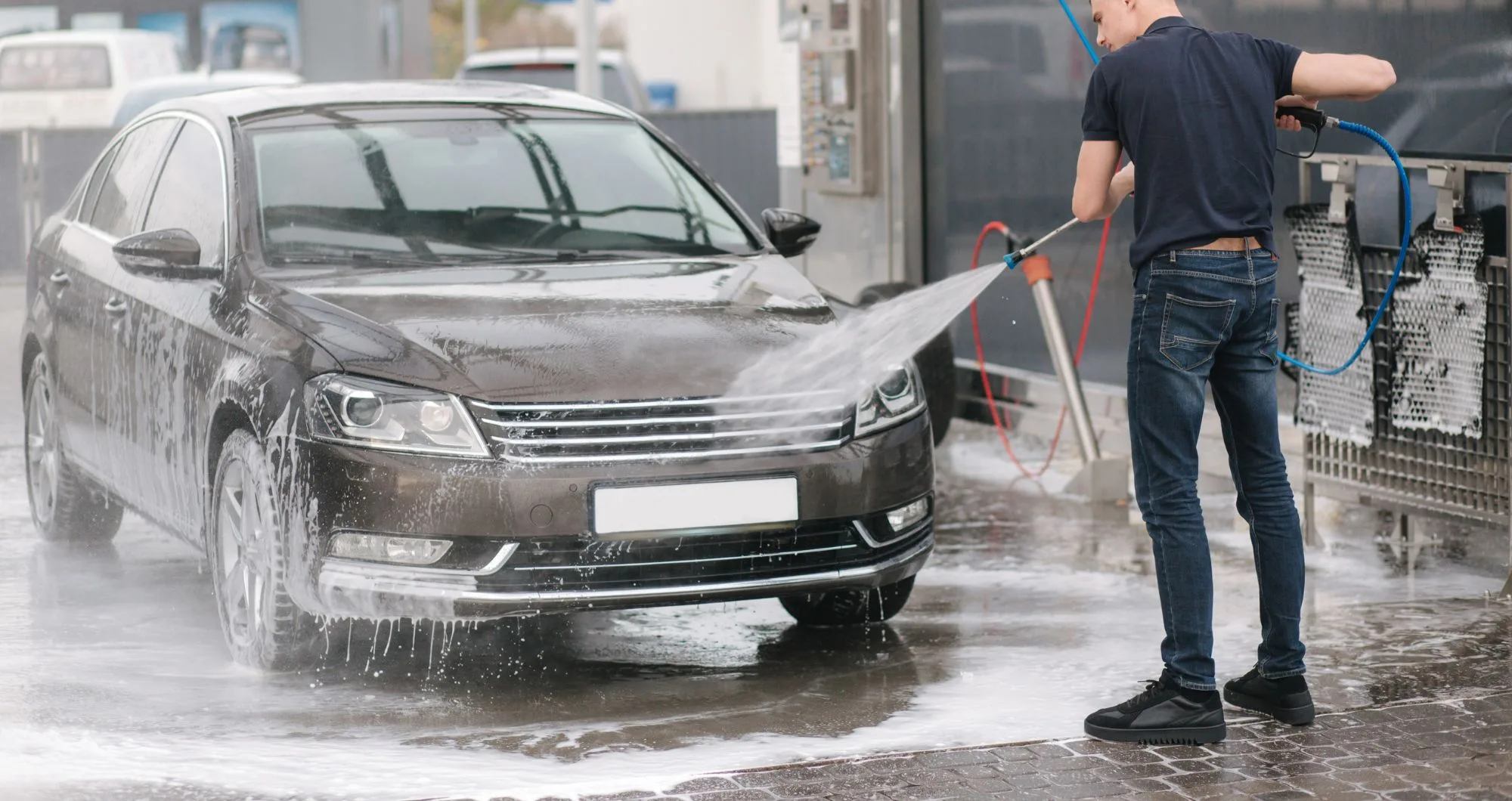
Touchless systems rely on high-pressure water jets and specialised detergents. This approach avoids any physical contact with your car’s paint, minimising the potential for surface scratches. If hand washing isn’t possible, the touchless automatic car wash near you is your best option.
Friction-based washes use rotating brushes or cloth strips. These are often found in gas station car washes. While effective, these systems carry a higher risk of causing minor scratches on your vehicle paint.
Tunnel Car Wash
The most popular is the tunnel car wash. In a tunnel car wash, your vehicle is pulled through a tunnel on a conveyor belt. It encounters different stages, including cleaning, rinsing, and drying. Some car wash facilities offer a complete exterior wash. There are also full-service tunnels that add options like protectants or spray wax. Many car wash businesses offer different wash options to help keep your car looking its best.
Here’s a breakdown of common car wash features:
| Feature | Description |
| Pre-Soak | Loosens dirt and grime with a special soap. |
| High-Pressure Wash | Uses powerful water jets to remove debris and for a complete clean. |
| Triple Foam | Applies a multi-coloured foam for deeper cleaning action on the wash wheel. |
| Clear Coat Protectant | Adds a layer of protection to help your car’s finish and vehicle’s paint. |
| Spot-Free Rinse | Uses soft water to avoid any water spots after being car washed. |
| Wheel and Tire Cleaner | Targets those tricky areas that build dirt quickly. |
Choosing the Right Wash Package
Most wash facilities provide a selection of wash packages. These range from a basic exterior wash to a top-tier package with many extras. Selecting the right car wash package depends on your budget and how much time you have.
Consider a “Regular Wash.” This often includes a seasonal bug prep, a high-pressure rinse of the underbody, and a two-step soap bath. It’s followed by a clear coat protectant and a spot-free rinse, preparing your vehicle for the road.
Higher-tier options, like a “Deluxe Wash,” go further. These might include features to help protect your investment longer. A more thorough underbody rinse, a rust inhibitor, and specialised wheel cleaners are valuable additions to a vehicle wash.
Extreme Washes Protect All Year
A premium package, called the “Extreme Wash,” might be the best choice. This wash includes premium add-ons to protect against harsher conditions.
Sand, salt, and other road debris can affect the long-term condition of a vehicle’s paint. Consider the Turtle Wax Pro ICE® Instant Shine that some car wash locations provide for the main content of their wash business.
Navigating the Automatic Car Wash with Modern Vehicles
New vehicles can offer features like automatic parking brakes. Automatic features can create problems during an automatic car wash. Older instructions at a car wash advised drivers to shift to neutral and turn off the engine. That isn’t always the case anymore. Some newer models have automatic braking systems that require different steps to disengage before entering a car wash bay.
When going into the wash bay, place the car into the “N” position. From here, you can often turn the car off. However, some features might automatically activate, requiring a different approach, check with the car wash operators for the proper wash time steps.
Automatic Car Parking Brake Considerations
If your vehicle has an automatic parking brake, there are additional steps to consider. These automatic brakes could engage if you turn the engine off. To prevent this, you may need to keep the ignition on throughout the car washing process. This will stop your car’s auto parking brake from engaging. By preventing this, you can avoid damage to your paint.
However, some vehicles’ automatic parking brakes don’t engage in neutral. You might be able to skip turning the car back on in those situations, if using the touchless option. You can review the wash equipment and with the wash operators to determine if your car requires this.
The Drive Out: Important Tips
Modern cars are equipped with sensors. These are designed to provide ease of use for drivers on the road. However, they can be less helpful in the car wash. As the driver finishes the wash and pulls out, there might be a slight jolt. This usually indicates the vehicle is off of the conveyor belt.
Typically, there will be a sound or recorded message after this. Sometimes, there’s even a green traffic light signalling the driver. Once you receive this signal, you simply need to drive off of the system.
Safety
Be mindful of safety recommendations. One potential hazard in an automatic car wash involves the auto systems activating when braking. Many vehicles today use a start-stop system for fuel efficiency. This system is activated when pressing the brakes.
Before starting a wash cycle, it’s recommended to avoid tapping the brakes. Doing so will prevent issues like unintended activation of the start-stop system.
Alternatives to Automatic Car Washes
The best way to maintain a car’s paint is with a two-bucket hand wash system. However, there might be times when you’re away from your washing supplies. What’s your alternative when you can’t hand wash?
Some people might consider waterless wash options. However, these don’t deliver the thorough results needed to remove all contamination. The next best option would be a self-service car wash system to achieve that thorough cleaning. This could be ideal for a truck wash, too.
Automatic Car Wash Considerations
Most car wash facilities use city water, which isn’t filtered. They might contain high deposits of calcium or minerals that will rapidly dry. This could cause more difficulties later on.
Be prepared with your cleaning supplies if visiting these types of wash facilities. A standard 5-gallon bucket, microfibre wash mitts, and drying towels can help protect your vehicle. A high-pressure water system enables thorough cleaning, similar to high-pressure washing.
FAQs about Automatic Car Washes
What are the negatives of an automatic car wash?
Automatic car washes can sometimes use harsh chemicals. This can potentially damage your car’s paint over time, including needing a rinse clear coat protectant.
Is it good to wash your car automatically?
It can be a quick and convenient way to clean your vehicle. However, hand washing with a bucket, car-specific shampoo, wash mitt, and drying towels are generally gentler.
Is it safe to wash a car in an automatic car wash?
Automatic car washes are safe in most cases. However, it is a good idea to research automatic wash bays that are safest for vehicles. A good example would be a touchless automatic car wash using a spot-free rinse.
Conclusion
Automatic car washes provide a convenient way for owners to protect their investments. By becoming informed about your options, you can keep your car’s paint well-maintained. Make sure to review any concerns, like the features on modern automatic cars, with your automatic car wash operator for the safest usage.







