
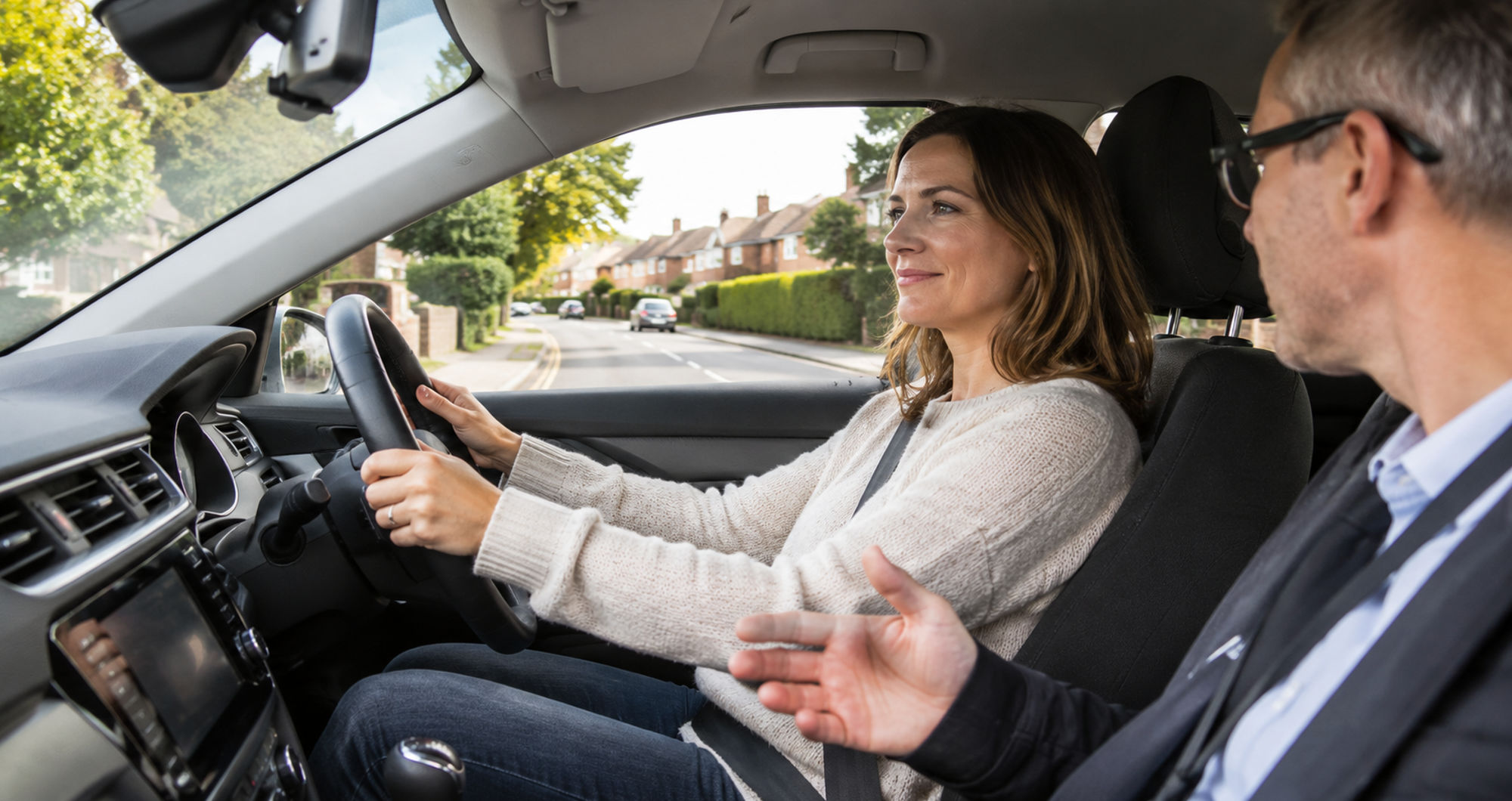

You still hold a full licence, but the car dropped out of your life some years ago. A move to somewhere with good trains made it unnecessary, or a partner did all the driving and you let them. Now there is a reason to start again, usually with a date attached: a new job the buses do not reach, or a parent who needs lifts to appointments. The basic skills are still there. The habits have faded, and some of the rules have changed while you were away.
The rules changed in January 2022
If you last drove regularly before 2022, start with The Highway Code. On Saturday 29 January 2022, 50 rules were added or updated across 10 sections to improve the safety of people walking, cycling and riding horses. A new ‘hierarchy of road users’ places the people most at risk in a collision at the top. Everyone is still expected to behave responsibly, and many of the changes come down to who gives way to whom.
Junctions are the place to watch. When people are crossing or waiting to cross at a junction, traffic should give way to them, and anyone who has already started crossing the road you want to turn into has priority. You must give way to people on a zebra crossing, and to people walking and cycling on a parallel crossing, which looks like a zebra with a cycle route alongside the black and white stripes. People cycling straight ahead at a junction have priority over traffic waiting to turn into or out of a side road, unless signs or markings say otherwise.
The code now sets passing distances too. Leave at least 1.5 metres when overtaking someone cycling at up to 30mph, and more at higher speeds, and pass people riding horses at under 10mph with at least 2 metres of space. On roundabouts, give priority to people cycling and do not try to overtake them within their lane. When you get out of the car, the code recommends opening the door with the hand furthest from it, sometimes called the ‘Dutch Reach’, so your head turns towards anyone cycling up behind. The full updated code is free on GOV.UK, and going through it before your first lesson saves lesson time for the driving.
How a first refresher lesson runs
The first lesson starts with a conversation about where you need to drive and what has kept you off the road. If pulling out onto a main road feels like too much, an instructor can meet you at home and drive you to a quiet car park or industrial estate, so you take the wheel somewhere empty and move onto busier roads when you are ready. Bring your licence card to that first session.
After that, the instructor watches how you drive now and builds on it. You already know how to drive, and their job is to find the particular things causing hesitation, whether that is a busy multi-lane roundabout, reverse parking or clutch control on a hill. When you contact anyone offering refresher driving lessons in Romford, say which skills and routes worry you, because the course is built around them.
The car may have changed too
The car you go back to may be quite different from the one you learned in. Plenty of returning drivers are moving from a manual gearbox to their first automatic, and newer cars often add an electronic handbrake and engine stop-start, which cuts the engine at the lights. Each is easy to learn on its own and harder to absorb while you are also rebuilding your road sense.
If you plan to take lessons in your own car, the instructor will want to check its insurance and roadworthiness at the first session. Otherwise, choose the transmission that matches the car you will drive every day, so nothing has to be relearned when you switch back to it.
How many lessons returning drivers book
There is no minimum. Some people want a single two-hour session to get comfortable on one particular commute. Others book a block of five or ten hours to shake off years of rust, taking the things they have been avoiding one at a time. The measure that matters is being able to make the trips you need on your own, calmly.
Rebuilding confidence on your own roads
Confidence comes back through repetition on the roads you will actually use. Drive your new commute at the time you will drive it for real, in the traffic you will meet. Practise the school run or the station drop-off before you depend on it. If one junction near home has been the reason you avoid driving, an instructor can take it round it until lane choice and signalling feel automatic.
Book a lesson after dark or in the rain if you will be driving through the winter. Glare from oncoming headlights and wet roads are hard on anyone out of practice, and a crowded multi-storey car park is easier to face once you have done it with help beside you.
Then plan your first solo drive for soon after the last lesson, on a route you have already driven with the instructor, and keep driving regularly from then on. Skills you have just rebuilt fade fastest in the weeks when the car stays on the drive.







