
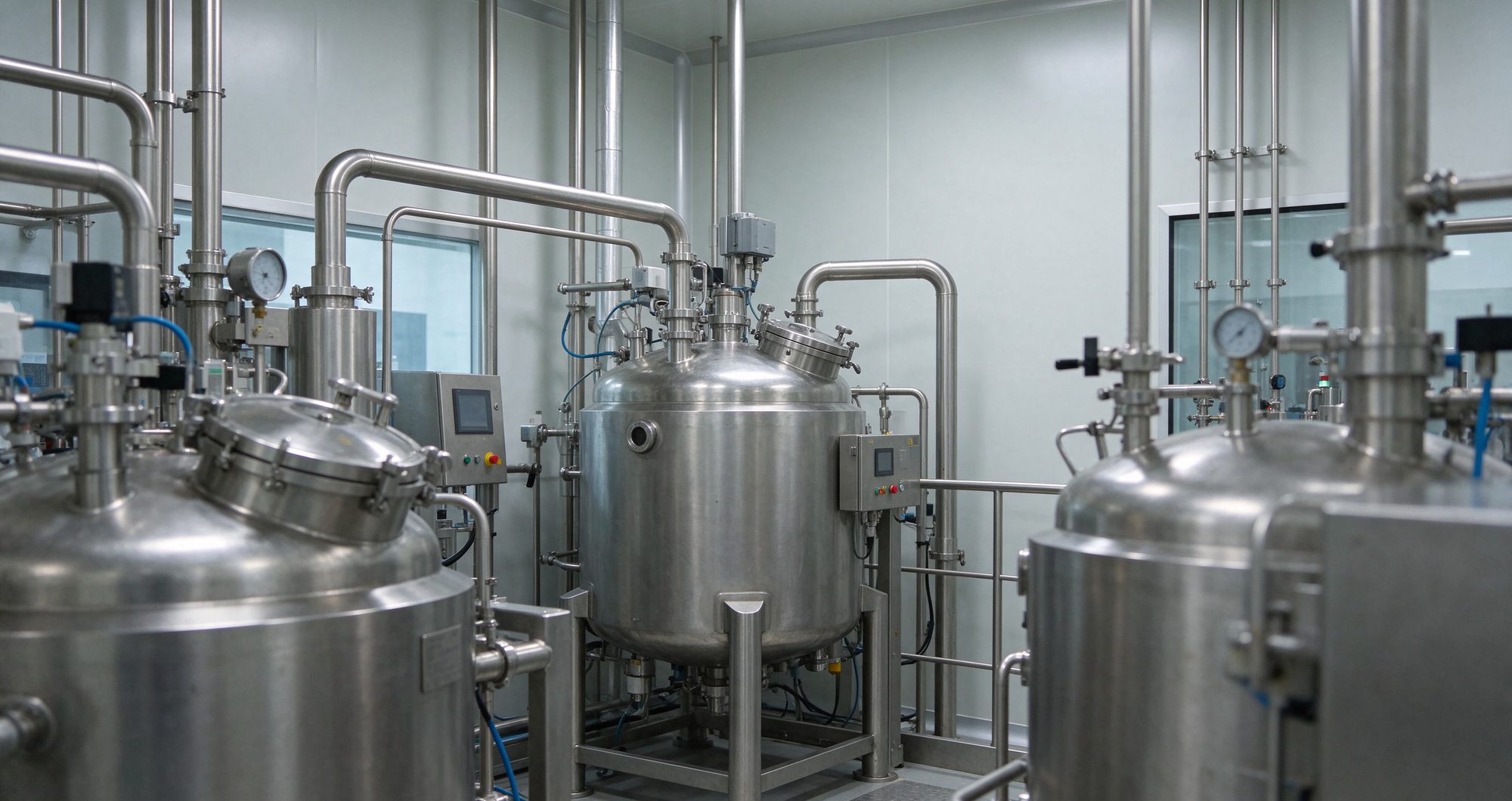

South Africa’s Biovac has outlined plans for a new Cape Town manufacturing facility with the potential to produce about 150 million vaccine doses a year, as the company seeks to expand local supplies by the end of 2028.
Company officials gave the update during a visit by European Investment Bank vice-president Ambroise Fayolle on Wednesday, 25 November. The facility is being developed next to Biovac’s existing base and is intended to help reduce Africa’s reliance on imported vaccines.
Chief operating officer Mark MacNaughton said the expansion could provide annual capacity of approximately 150 million doses across different vaccines. Biovac said this could include 30 million to 40 million doses of an oral cholera vaccine, provided it receives regulatory approval.
The figures describe potential manufacturing capacity, rather than vaccines already being produced. The cholera product remains in clinical trials, and the company’s timetable for manufacturing it depends on approval.
Clinical trials and existing financing
Chief executive Morena Makhoana said Biovac expected initial safety and efficacy data from the cholera vaccine trials by June. The company obtained the underlying technology from the International Vaccine Institute in South Korea and is seeking to manufacture the product entirely in Africa by late 2028.
Company officials said it would be the first cholera vaccine made entirely on the continent. Biovac already distributes vaccines or carries out their final production stages for diseases including polio, tuberculosis and tetanus.
The company is a public-private partnership partly owned by the South African government. Established in 2003, it was created to develop domestic vaccine manufacturing capability and supplies routine childhood vaccines, according to the European Investment Bank.
The expansion is supported by financing announced earlier this year, rather than a new funding agreement reached during Wednesday’s visit. In April, the bank outlined a €75 million quasi-equity investment, a form of long-term financing designed to support growth while sharing risk.
That announcement also included an International Finance Corporation-led financing package with a $20 million senior loan. The bank said the facility would initially produce the oral cholera vaccine, with later expansion envisaged for vaccines against polio, pneumonia and meningitis.
In its April statement, the bank forecast more than 340 skilled jobs and 7,000 indirect jobs from the project. It also said Biovac’s cholera vaccine clinical trials were being facilitated by the South African Medical Research Council.
Pressure on vaccine supplies
Africa needs more than one billion vaccine doses annually but manufactures only about 1% locally, according to the Africa Centres for Disease Control and Prevention. The African Union has set a target of producing 60% of the continent’s vaccines locally by 2040.
Cholera vaccine supplies have faced particular pressure. The World Health Organization says global production rose from around 30 million doses in 2022 to approximately 80 million in 2025, but simultaneous outbreaks continue to strain available stocks.
The organisation says preventive vaccination resumed in 2026 after several years of constrained supply. In February, it worked with Gavi, the Vaccine Alliance, and UNICEF to allocate 20 million doses for preventive campaigns.
Cholera is an acute diarrhoeal infection caused by consuming contaminated food or water. It can cause severe dehydration and become fatal within hours without treatment, although most patients can be treated successfully with prompt oral rehydration, the World Health Organization says.
Vaccination is one element of prevention rather than a replacement for safe drinking water, sanitation and hygiene. The organisation recommends combining vaccine campaigns with disease surveillance, community engagement and access to treatment. Biovac’s proposed output would add manufacturing capacity, but its cholera vaccine still has to complete the clinical and regulatory process before entering production.







