

The European Bank for Reconstruction and Development has announced financing of up to $520 million for a desalination and water transport project intended to strengthen Jordan’s drinking water supply.
The package, announced on 26 November, combines a senior loan of up to $475 million from the bank with a loan of up to $45 million from ILX Fund. It will support the Aqaba-Amman Water Desalination and Conveyance project, also known as the National Water Carrier.
The EBRD values the overall scheme at $6.7 billion. Its lending package forms part of a wider $4.5 billion debt financing arrangement involving international financial institutions and local banks, rather than covering the full cost of the project.
Once operational, the infrastructure is expected to meet about 40% of Jordan’s municipal water needs and directly benefit approximately 4.3 million people, according to the EBRD. Those figures describe the bank’s expected impact, not water already being delivered.
Desalination plant and a route to Amman
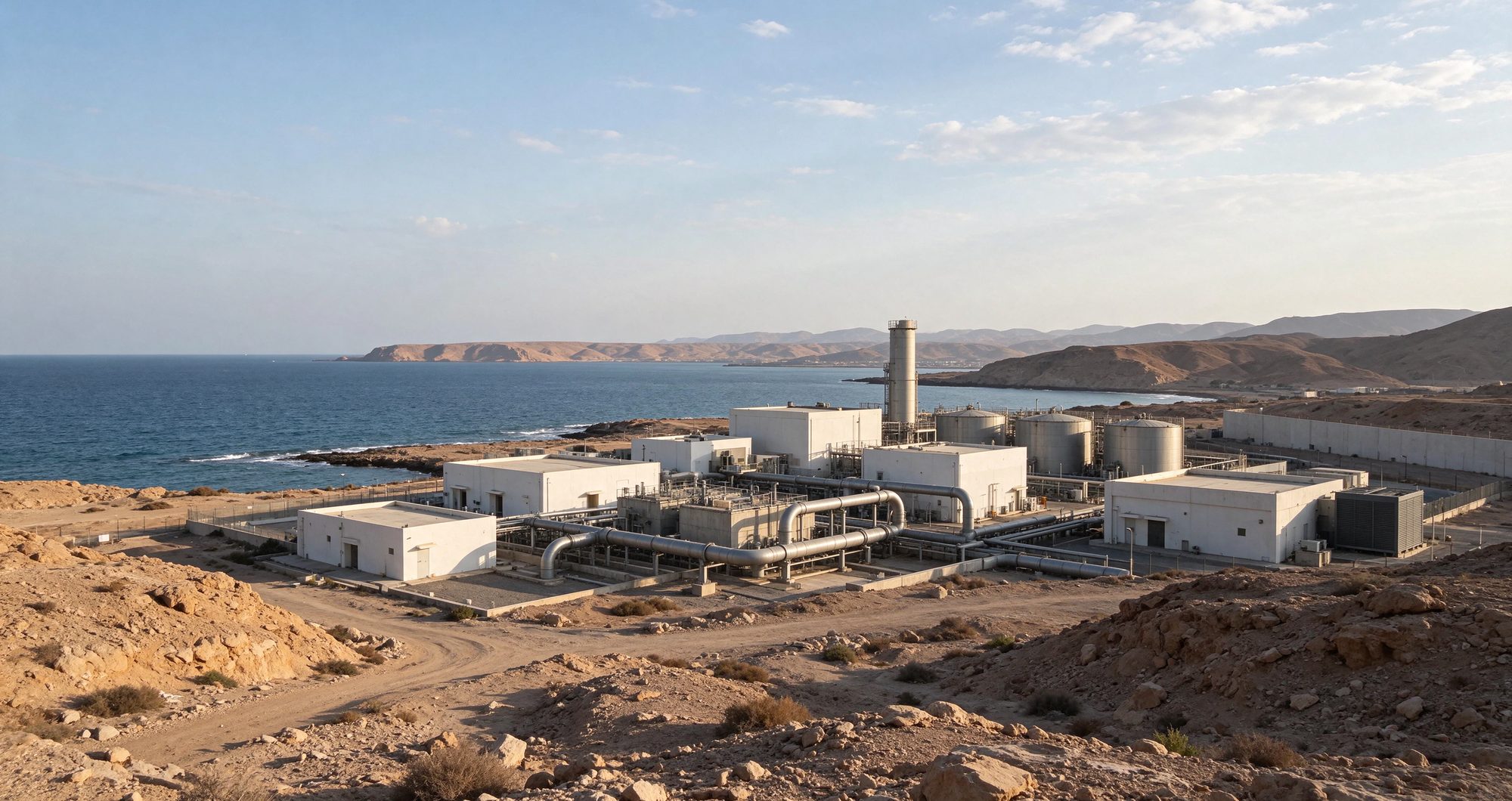
The financing will contribute to a seawater desalination plant in Aqaba with planned annual capacity of 300 million cubic metres. A 438km conveyance system will carry drinking water from the coastal city to Amman.
The project also includes a dedicated solar photovoltaic plant with peak generating capacity of 281 megawatts. The EBRD said this would meet about 30% of the scheme’s electricity requirements, integrating renewable energy into the operation without providing all of its power needs.
The borrower is the National Carrier Project Company, owned by infrastructure investor Meridiam, Suez International and Jordan’s Social Security Investment Fund. The company signed a 30-year project agreement with the Ministry of Water and Irrigation in January 2025.
The EBRD described the scheme as its first water-desalination public-private partnership. The International Finance Corporation, which is also involved in financing the project, said the company would construct, operate and maintain the infrastructure.
Affordability and pressure on freshwater supplies
Canada is contributing $30 million and Finland €7 million in concessional financing through the EBRD’s High-Impact Partnership on Climate Action. The bank said these contributions were intended to support affordable water charges for end-users.
The announcement does not set out a household tariff or promise a particular reduction in bills. The affordability objective sits alongside the wider aim of creating a more reliable water source and reducing pressure on depleted aquifers.
The International Finance Corporation described Jordan as one of the world’s most water-scarce countries. It put annual available water at 61 cubic metres per person, compared with an absolute water scarcity threshold of 500 cubic metres.
In its separate announcement on 26 November, the corporation said climate pressures and population growth were adding to the strain on existing supplies. The desalination scheme is intended to address that shortage by bringing a new source of drinking water into the system.
Jordan’s water and irrigation minister, Raed Abu Soud, said the government would work with partners to keep implementation on the approved schedule and meet technical and environmental requirements. He placed the project alongside efforts to improve supply efficiency, reduce water losses and diversify sources.
International lenders and training plans
Other financing partners named by the EBRD include the European Investment Bank, the International Finance Corporation, the Green Climate Fund and the US International Development Finance Corporation, alongside commercial Jordanian banks.
The EBRD also outlined an employment and training programme aimed particularly at women and young people. Planned technical assistance will help develop national skills standards and courses for priority roles in the water sector.
The bank’s president, Odile Renaud-Basso, said the project brought together Jordan’s government, private investors, international financial institutions and donors to address the country’s water security needs. She said it built on the EBRD’s involvement in Jordan’s water sector since 2012.







