
The government will raise the trading allowance from £1,000 to £3,000 and lift the Self Assessment reporting threshold to the same level from 6 April 2027, a change intended to keep small side businesses and freelancers out of the tax return system altogether.
The measure was confirmed in the Budget documentation and will be legislated in Finance Bill 2026-27.
What changes
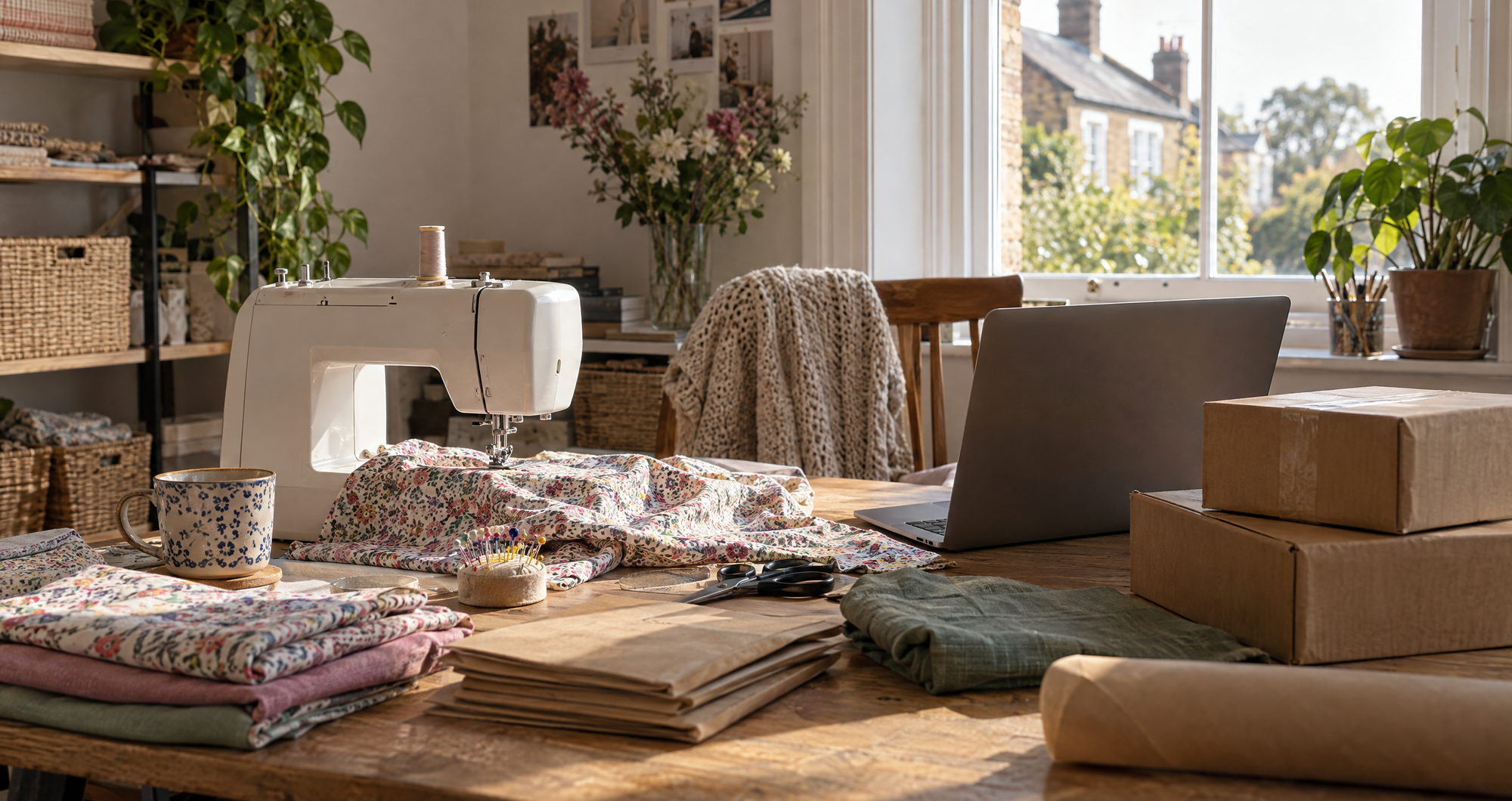
The trading allowance lets people with small amounts of trading or miscellaneous income earn up to a threshold without paying tax on it or filing a return. Raising it to £3,000 means someone selling crafts, driving occasionally for a delivery platform or doing occasional consultancy work will not need to register for Self Assessment if their gross income stays below the new limit.
The allowance applies to gross income before expenses, and it can still be used as partial relief by people earning more than £3,000. For those with high costs, deducting actual expenses may still produce a lower tax bill.
The same Budget raised the Company Share Option Plan individual option limit to £120,000 and extended the exercise period to 15 years, both from April 2027, measures aimed at smaller companies that use share options to recruit senior staff.
Why it matters for small businesses
The administrative burden of Self Assessment falls hardest on people whose tax affairs are simple but whose income is not. A single tax return can take hours for someone unfamiliar with the system, and the penalties for late filing are fixed regardless of the amount owed.
Making Tax Digital for Income Tax is being extended from April 2026, which will require many sole traders and landlords to keep digital records and submit quarterly updates. Raising the threshold removes some of the smallest businesses from that requirement.
The gaps in the policy
The Low Incomes Tax Reform Group has warned that the trading allowance is not recognised by the Department for Work and Pensions, so it cannot be used when calculating income for Universal Credit. Someone whose trading income is disregarded for tax may still see their benefit reduced.
The allowance is also not prorated in years when a business starts or stops, which can create a cliff edge for people who begin trading part way through the year. And because it applies to gross income, a business with high costs and low profit may be better off under the expenses route.
There is a further question about how the change interacts with platform reporting. Digital platforms are now required to report seller income to tax authorities, which means the tax office will know about trading that was previously invisible. A higher allowance reduces the number of people who receive an unexpected letter, but it does not remove the obligation to declare income above the threshold.
The political framing
The government presents the change as support for enterprise and as a simplification of the tax system. Both claims are partly true: it does reduce the number of people who need to file, and it does reduce the cost of compliance for very small businesses.
The cost to the Exchequer is relatively small, because the tax at stake on incomes between £1,000 and £3,000 is modest. The political benefit is larger, because side hustles are common and the people who do them are voters who notice administrative irritations.
The change takes effect in April 2027, alongside the wider Making Tax Digital changes. For anyone running a small trading business, the practical advice is to keep records of gross income and expenses, because the choice between the allowance and actual costs will determine which produces the lower tax bill.