
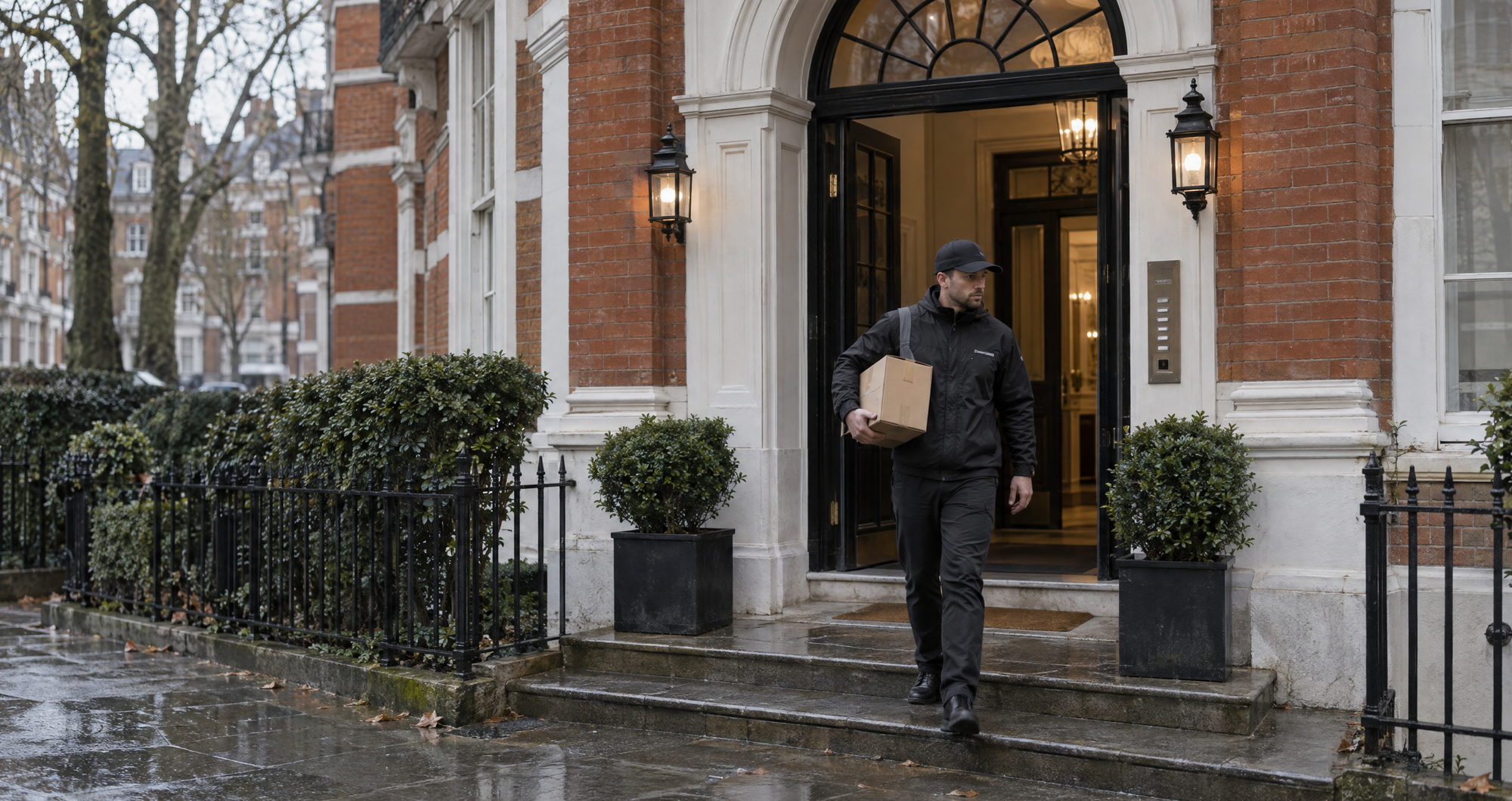

A London-based block management company has raised £21m in seed funding to continue buying up local managing agents and moving their operations onto its own software, in one of the largest early-stage rounds in UK property technology this year.
Supa, founded in 2025, has already acquired seven block management firms and manages 20,000 properties. The round was co-led by 2150 and OpenOcean, with Kompas VC, Actia Partners and Heartfelt also participating, alongside a debt facility from an undisclosed UK lender.
The model
Block managers look after the common parts of residential buildings: repairs, insurance, safety checks, cleaning and the service charges that pay for them. It is a fragmented market of small firms, many of them family businesses, operating on thin margins and ageing systems.
Supa’s approach is to buy those firms, keep their local brands and teams, and migrate the back office onto its own software. The company says the systems cover repairs scheduling, service charge reconciliation, safety checks and contractor management, and that they cut administrative time by up to 90 per cent.
The acquisitions so far include Hunters in Sussex, FW Block Management in Hertfordshire and Lamberts in London. Keeping the local name matters because block management is a relationship business: leaseholders and freeholders choose an agent they can reach, and a national brand with a distant call centre is a disadvantage.
Why investors are interested
Residential property services are recurring revenue businesses with high retention. A managing agent that performs adequately tends to keep the contract for years, and the fees are paid by leaseholders through service charges rather than by the landlord.
The market is also being reshaped by regulation. Building safety legislation has increased the compliance burden on managing agents, and the requirements for fire risk assessments, cladding remediation and resident engagement have made it harder for small firms to operate without investment in systems and expertise.
That regulatory pressure creates a consolidation opportunity: firms that cannot afford compliance sell to those that can, and the buyer gains contracts and staff at a price that reflects the seller’s difficulty.
The risks
Roll-ups of professional services businesses have a mixed record. The arithmetic works if the buyer can integrate systems and centralise costs without losing the client relationships that came with the acquisition. It fails when integration disrupts service and clients leave.
Block management is particularly exposed to service failures, because leaseholders have formal routes to complain and can apply to a tribunal to replace a manager. A single building with unresolved leaks or unexplained service charges can generate years of disputes.
The founder, Calum Brannan, previously built Howsy, a landlord platform sold to Dexters in 2022, and has experience of consolidating a fragmented market. He argues that residents are paying more every year and too often getting less, which is the pitch that accompanies most attempts to professionalise the sector.
What happens next
The company plans to continue acquiring and intends to expand beyond the UK, though it has not given a timetable. Rival Dwelly is pursuing a similar strategy, which means competition for targets and upward pressure on valuations.
The test will come in the service charge figures. If Supa’s buildings show stable or falling costs and better repair turnaround, the model will be vindicated. If they show the same problems with a new logo, the consolidation thesis will look like a financial engineering exercise rather than an operational improvement.







