
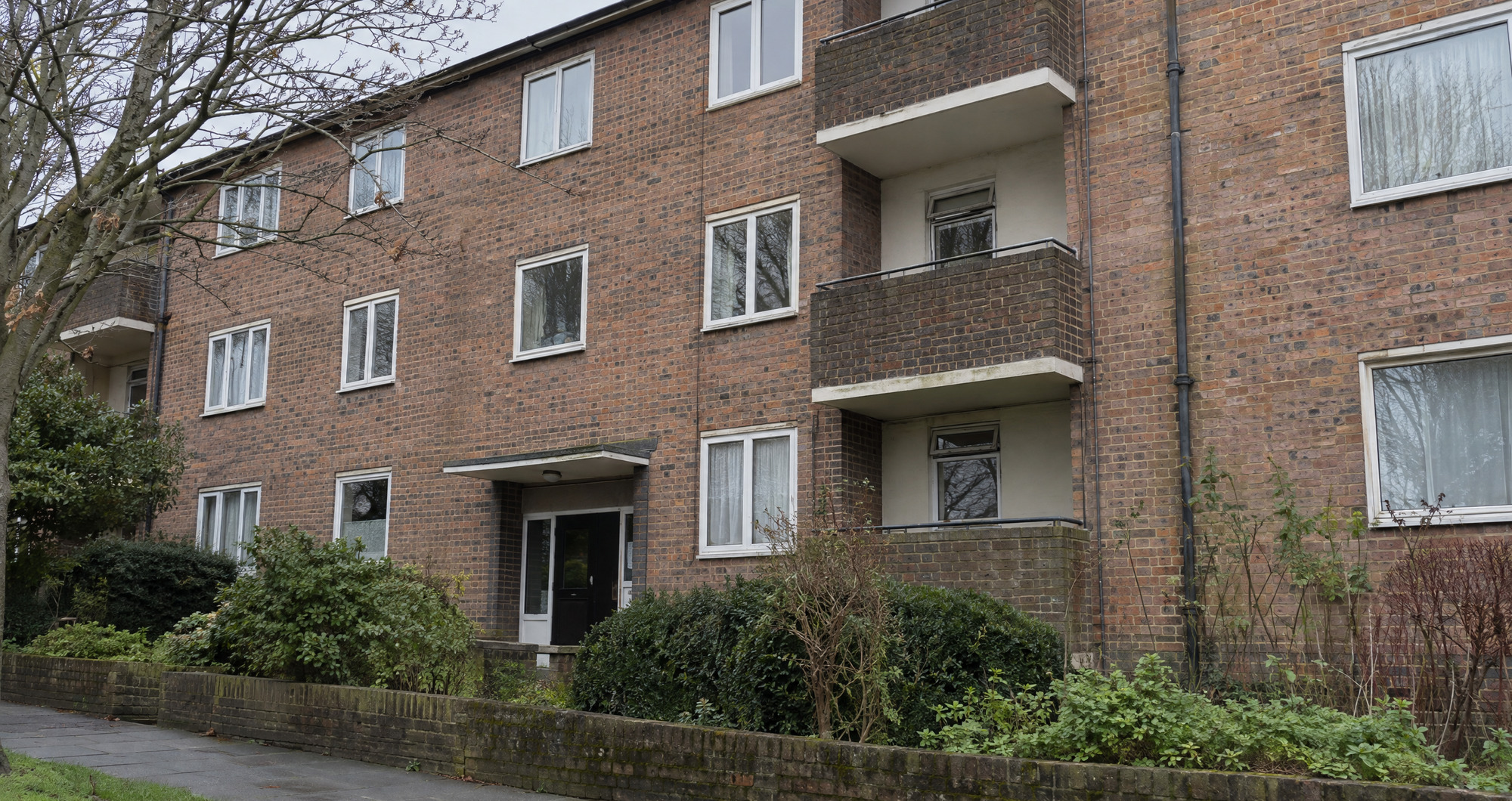

Bury Council has been given a C3 consumer grade after an inspection found serious failings in the way it delivers housing services to tenants, including weaknesses in safety information, repairs and opportunities for residents to hold their landlord to account.
The Regulator of Social Housing said significant improvement was needed in the Greater Manchester authority’s services. The council has accepted the findings and apologised for falling short, while the regulator recognised that work to reduce overdue repairs and improve information was already under way.
The judgement, published on 11 November, is Bury’s first consumer grade under the current inspection framework. The council owns around 7,600 homes, of which approximately 300 are managed on its behalf by a tenant management cooperative.
Safety records and outstanding work
At the time of the inspection, more than 2,800 fire safety remedial actions were overdue. Most had been assessed as medium or low risk, but the regulator said it was unclear how long some had been outstanding. The figure counts actions, not the number of homes affected.
The regulator said the council’s reported health and safety compliance was good in most areas, but it could not provide sufficient assurance that the information was accurate. It also could not demonstrate that all required actions following legally required safety assessments had been completed in homes managed by the cooperative.
The inspection identified a separate problem with assurance over the legal timescales for investigating, identifying and repairing hazards, including damp and mould. The regulator said reporting against those timescales was limited, although it noted some evidence of recent improvement. The finding is about the assurance available to inspectors; it does not establish that every report was dealt with late.
Inspectors also examined how the council uses information about the condition of its properties. At the time of inspection, records based on physical assessments were up to date for around 85 per cent of homes. But the regulator found weaknesses in how information was used to plan and provide well-maintained homes, and said the council needed stronger assurance that homes met the Decent Homes Standard.
Repairs and tenant influence
The council had recognised problems with the timeliness and effectiveness of repairs before the inspection. Inspectors saw a range of steps in response, but said systems were still being embedded and the council could not show that outcomes had consistently improved for tenants.
The authority was not meeting its own timeliness targets for repairs, including aids and adaptations. Historical data-quality problems also meant it could not assure inspectors that previously reported repairs performance was accurate. Against that, the regulator found evidence that the backlog of overdue repairs was falling and that further improvements were planned.
Residents’ ability to influence the service was another central concern. The inspection found that the council collected tenants’ views through several mechanisms, but could not show that these offered meaningful opportunities to scrutinise or influence strategies, policies and services. The regulator said a breakdown in trust was a barrier to engagement; the council’s main tenant engagement structures were being reviewed with external support.
The regulator also questioned whether information was accessible to people who do not use digital services. Bury had described a website-first approach, but could not assure inspectors that non-digital users could consistently obtain accurate service information. Performance information was not always shared in a way that allowed tenants to hold their landlord to account.
There were problems with the national Tenant Satisfaction Measures too. The council had not met their technical and survey requirements since their introduction, the regulator said. One issue was the omission of subcontracted repairs from performance information.
What happens next
The inspection identified weaknesses in complaints handling and in understanding and responding to tenants’ different needs. It also found that, although the council worked with partners to tackle anti-social behaviour and hate incidents, policies had been applied inconsistently and affected tenants had not always been adequately supported. An improvement plan developed with specialist help was being implemented but had not yet shown consistently better results.
A C3 is the second-lowest of four consumer grades. It means the regulator has identified serious failings and expects significant improvement; it is an assessment of the council as a landlord, not a finding that every home is unsafe. The regulator said it would engage intensively with Bury and monitor its plans. It was not proposing to use enforcement powers at this stage, but would keep that position under review.
The council said housing services returned to direct council management in February 2024. Since then, it said, it had established a dedicated compliance team, strengthened safety monitoring and reporting, and worked on repairs, anti-social behaviour and complaints. It acknowledged that more remained to be done and said tenants would be involved in shaping and scrutinising improvements.
The council is writing to tenants and plans to provide further information through its housing newsletter. Discussions with involved tenants are scheduled for 23 November. The regulator’s assessment will turn on whether the planned changes can be demonstrated to deliver better and more consistent outcomes, rather than on the existence of plans alone.







