
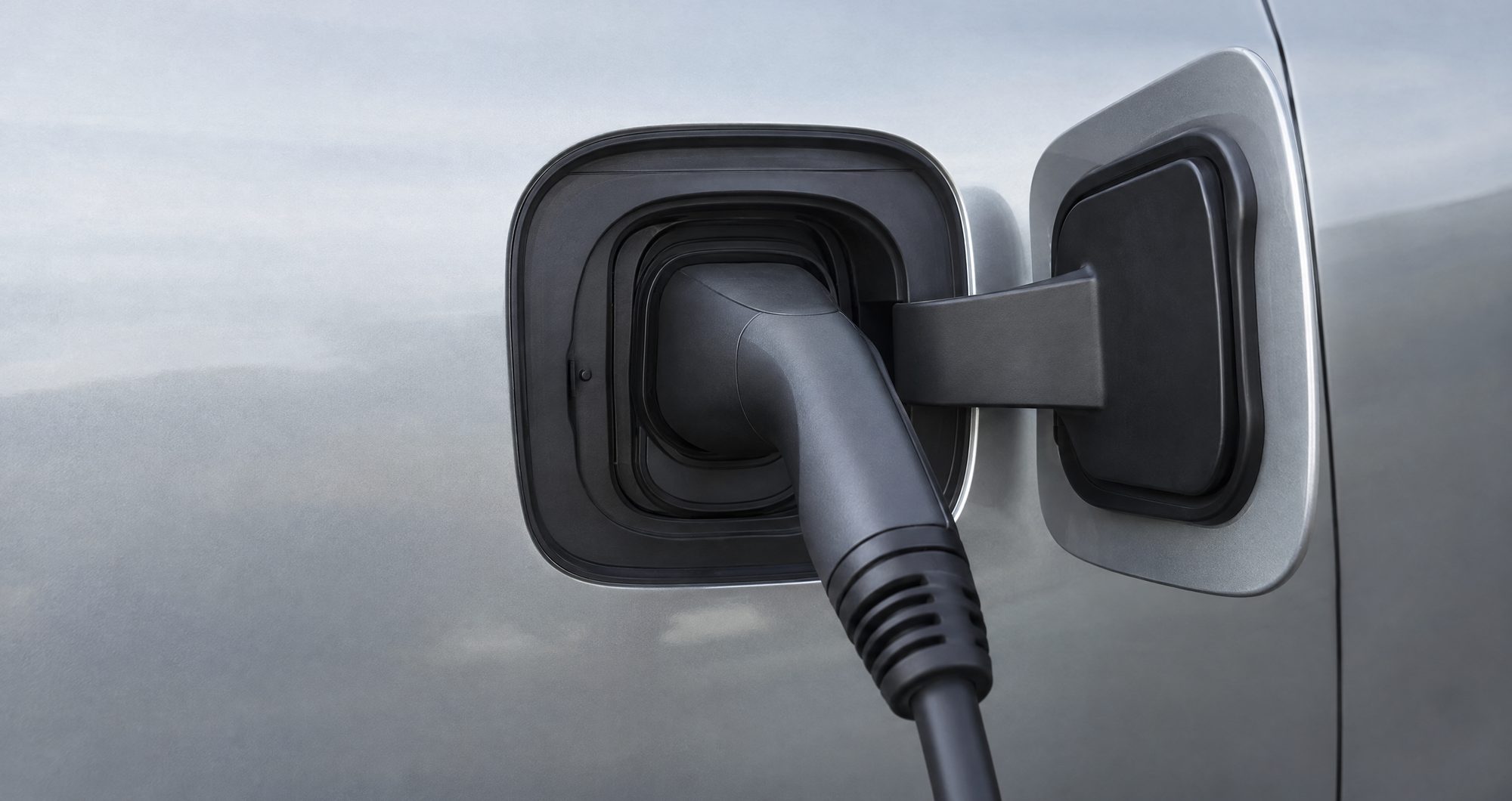

Canada has proposed raising the federal luxury-tax threshold for fully electric and hydrogen-powered vehicles from C$100,000 to C$150,000, a change that would exempt more high-priced vehicles in those categories from the charge.
Finance Minister François-Philippe Champagne announced the proposal in Ottawa on 12 November. The government said the measure would be effective from 13 November, subject to subsequent parliamentary approval. The proposed start date is not confirmation that Parliament has enacted the change.
The existing C$100,000 threshold would remain in place for other vehicles that fall within the tax’s scope. The announcement does not describe a general abolition of the luxury tax on electric or hydrogen vehicles: eligible vehicles above the proposed higher threshold could still be subject to it.
The government says the proposed adjustment reflects the higher upfront cost of zero-emission vehicles and is intended to support the transition towards cleaner transport. It also links the measure to its wider emissions goals.
How the existing tax works
The federal luxury tax generally applies to certain passenger vehicles valued above C$100,000. It can arise on sales, imports and leases, as well as on certain improvements. Whether it applies depends on the vehicle and the transaction, not just on the price shown in an advertisement.
The existing definition of a subject vehicle includes vehicles primarily designed or adapted to carry people on roads, with no more than ten seats, a gross vehicle weight rating of 3,856 kilograms or less, and four or more wheels. The vehicle must also have been manufactured after 2018. There are exclusions and exemptions for particular kinds of vehicles.
For a taxable vehicle under the existing C$100,000 threshold rules, the charge is generally the lower of two amounts: 10 per cent of the taxable value, or 20 per cent of the value above C$100,000. The taxable amount can depend on whether the transaction is a sale, import or lease.
For example, if a vehicle has a taxable amount of C$120,000 and no exemption applies, the existing calculation gives C$12,000 under the first method and C$4,000 under the second. The lower figure, C$4,000, is the luxury tax. Under the proposal, a qualifying fully electric or hydrogen vehicle at that taxable value would be below the higher threshold, subject to the measure’s final terms and approval. Other taxes and charges may still apply.
The luxury tax is separate from goods and services tax or harmonised sales tax. The latter is generally calculated on an amount that includes the luxury tax. The amount finally paid can therefore depend on more than the threshold alone.
In a typical taxable sale to a purchaser who is not a registered vendor, the vendor is generally responsible for the luxury tax. Different rules can apply to imports, transactions between registered vendors and other circumstances. A lease is not automatically outside the regime.
A targeted change
The proposed C$50,000 increase in the threshold is directed at a particular part of the market. It does not alter the threshold for vehicles with other types of powertrain, and it does not mean that every electric or hydrogen vehicle would qualify for the same treatment regardless of its circumstances.
The announcement leaves questions about the detailed application of the change to be settled through the legislative process and any accompanying guidance. Buyers and sellers considering transactions around the proposed start date will need to take account of the final rules rather than treat the announcement itself as a completed amendment.
Canada introduced the luxury-tax regime in September 2022. It originally covered certain aircraft and vessels as well as vehicles. The tax ceased to be payable on subject aircraft and vessels from 5 November 2025, with that change later enacted by Parliament. The vehicle charge remained in place.
In the second quarter of 2026, 58,811 new zero-emission vehicles were registered in Canada, representing 10.7 per cent of all new motor vehicle registrations. That statistical category includes plug-in hybrids, so it is broader than the fully electric and hydrogen-powered vehicles identified in the new proposal. The figures do not show how many vehicles would be affected by the higher luxury-tax threshold.
The government has also proposed funding for charging infrastructure in its 2026 budget. The plan includes C$587 million over five years from 2027–28 for a renewed programme intended to support more than 55,000 additional electric-vehicle chargers, and C$45 million over the same period for charging research and development. Those are separate proposals from the luxury-tax change.







