
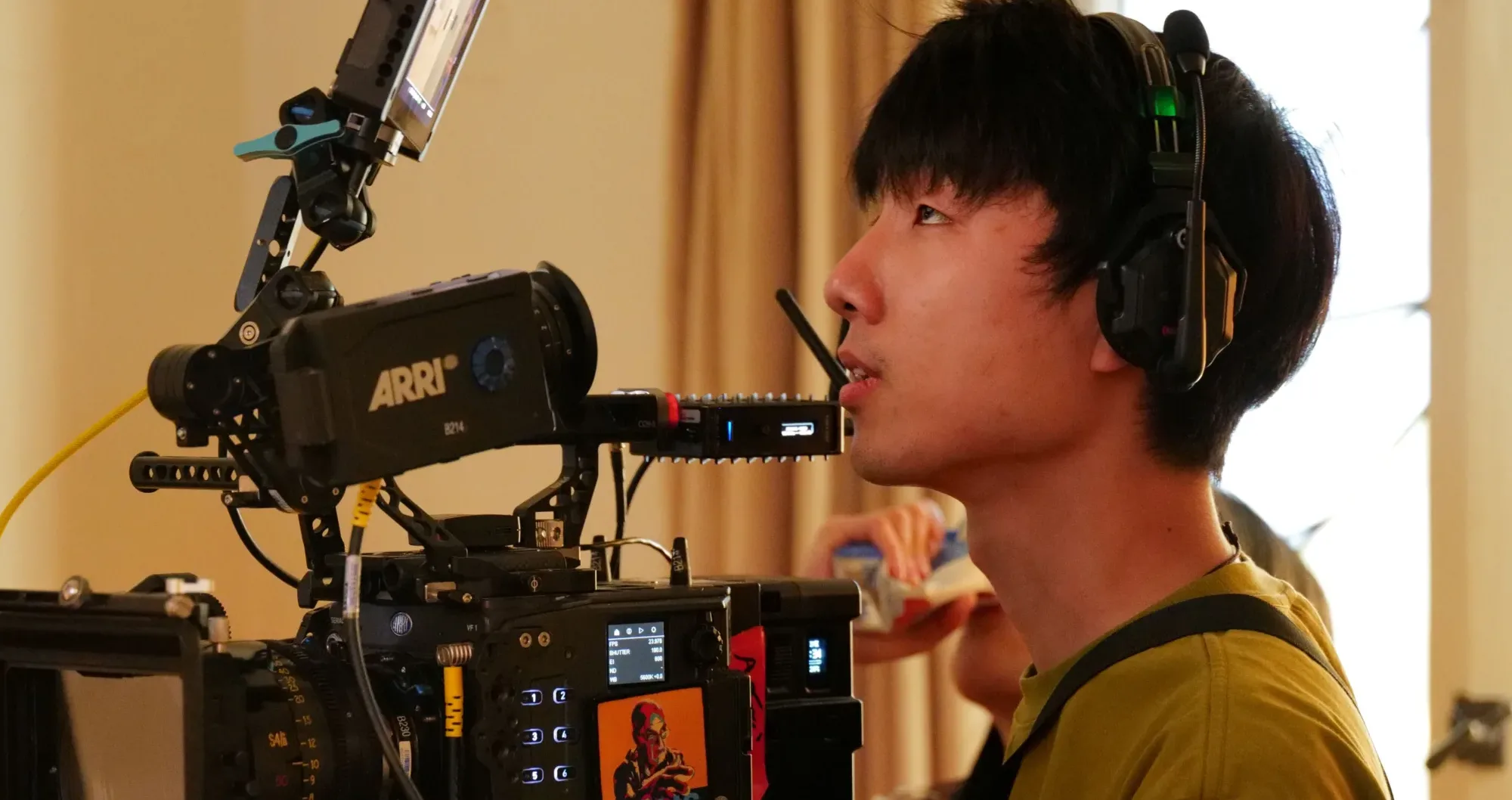

In an era increasingly dominated by mobile screens, a new frontier in visual storytelling is emerging, and at its vanguard is accomplished cinematographer Shuang Qin. Based in Los Angeles, California, Qin, with a Master of Fine Arts in Film Production from Chapman University, is rapidly gaining recognition for his unique blend of artistic vision and technical prowess, particularly in the burgeoning field of mobile-native vertical series.
Originally from Suzhou, a small town in Anhui, China, Qin’s journey from a strong foundation in communication at Wuhan University to becoming a sought-after Director of Photography offers profound insights into the evolving landscape of cinema. Qin’s work can be seen across a diverse range of projects, including features like “I Can Never Be Yours” (2024) and “Billionaire Marries the Wrong Wife” (2024), and “Uncle, I Love You” (2025), which has a high rating on IMDB.
His early career as the director of photography for acclaimed director Hsiao-Hsia Huang’s short film, “Egg Man” (2022) and “On Wings of Song” (2024) set the stage for his innovative approach. However, it is his extensive work on dozens of vertical mini-TV series, such as Kalos TV’s “Vampire’s Remedy” and “Breaking the Cue” (starring Jordan Kennedy and Thomas Garner), that truly highlights his adaptive talent.
A noteworthy success in this format is “Surprise! Baby Daddy Is the CEO,” which garnered an astounding 41.7 million views on the streaming platform DramaBox within its first month alone—a powerful testament to the rising impact of mobile-first storytelling.
Qin’s cinematography has not only captivated audiences but also earned him critical acclaim, including awards at prestigious film festivals and selections at events such as the Cannes Film Festival’s Short Film Corner, the WorldFest-Houston International Film Festival, and Shanghai International Short Week. He excels in crafting visually stunning narratives that deeply resonate with viewers, collaborating seamlessly with directors and production teams to bring their creative insights to life.
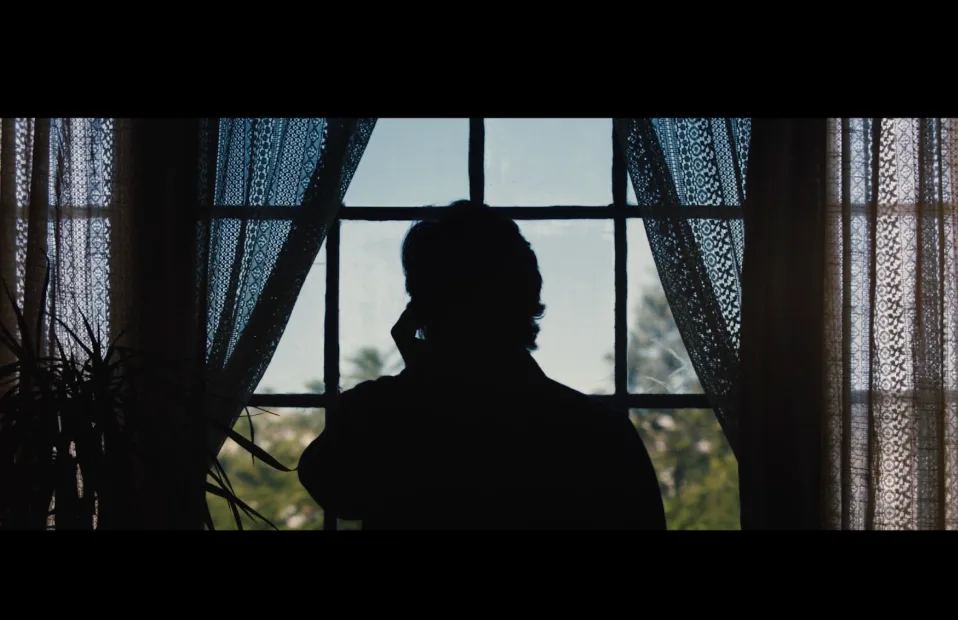
The Vertical Revolution: Why Mobile-First Series Are Taking Over
The rapid ascent of vertical TV series is no accident; it’s a direct response to the global shift towards mobile viewing. Built for the TikTok generation, these soap operas are already a $5.3 billion industry in China and are growing in the U.S., and are based on a subscription model. The vertical TV market is expected to be worth $14 billion by 2027, and is slated to replace Netflix, Hulu and Prime with streaming platforms like ReelShort, ShortTV, DramaPops and FlexTV.
Qin explains the buzz:
“Vertical series have become popular as mobile viewing became the norm, especially in markets like China where short-form platforms such as Dramabox, Reelshort, and GoodShort rapidly gained traction.”
These platforms are designed to cater to younger audiences who crave fast-paced, emotionally charged narratives that can be consumed on the go.
As a cinematographer who has made a name for himself in this trend, Qin has witnessed its flourishing appeal firsthand.
“As a cinematographer, I’ve worked on several of these series, including Surprise! Baby Daddy Is the CEO, which gained over 41.7 million views in just one month. I’ve seen firsthand how addictive the format can be when pulled off well,” he shares.
The secret, according to Qin, lies in the tightly structured stories, riddled with cliffhangers every few minutes and correlated with high emotional stakes—an ideal concoction for short attention spans and the pervasive habit of vertical scrolling.
For Qin, the vertical drama format presents an exhilarating challenge:
“translating cinematic language into a short frame without losing depth or emotion. It’s not all about formatting—it’s a new approach to storytelling.”
He firmly believes that these series are far from a fleeting trend; they are a clear indication of how screen culture is evolving, offering filmmakers an unprecedented opportunity to innovate within new time constraints and connect with massive audiences in real-time.
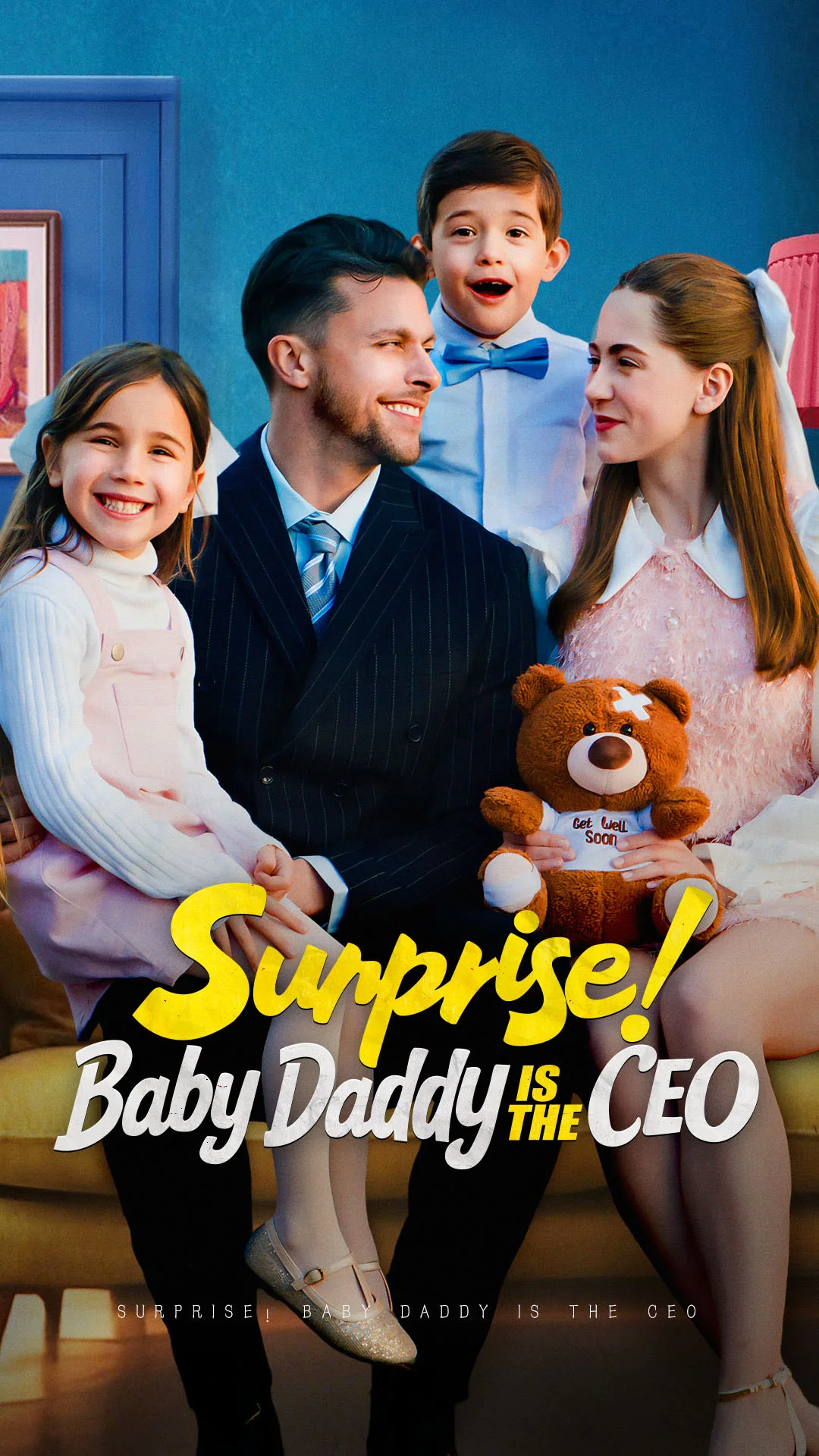
Behind the Scenes of a Viral Phenomenon: “Surprise! Baby Daddy Is the CEO”
“Surprise! Baby Daddy Is the CEO” marked Qin’s first large-scale vertical-format project, a venture that came together with remarkable speed.
“The production team reached out with a tight timeline and a bold concept—a romantic drama with fast emotional turns, designed specifically for mobile platforms like Drama Box,” he recounts.
As Director of Photography, his main priority was to create a format with genuine cinematic quality. This demanded a revolutionary re-imagining of composition, blocking, and pacing specifically for the 9:16 frame.
Qin’s outlook focused on managing vertical depth, layered lighting, and expressive close-ups to ensure the images remained emotionally engaging on a small screen. The overwhelming success of the series, reaching over 41 million views in its first month, was both a surprise and a satisfying validation of his efforts.
“It proved that with the right creative team, even the smallest screen can deliver a powerful emotional experience,” he reflects.
Navigating the Vertical Frame: A Creative and Technical Balancing Act
Honing his cinematographic style to the vertical frame proved to be both creatively intuitive and demanding for Qin. His usual approach often relies on horizontal composition, layered depth, and negative space—elements typically altered in the 9:16 aspect ratio.
“One major challenge was blocking and movement,” Qin notes. “Traditional two-shots or group setups don’t usually translate well in such a narrow frame, so I had to restructure how characters interact with one another—often stacking depth or using eye-line diagonals to maintain visual tension.”
Focusing on emotional beats also required serious concentration. Qin had leaned heavily towards expressive close-ups and vertical foreground-background layering to maintain clarity, especially required for mobile viewing. Lighting had to be carefully efficient yet sculpted, emphasising on the vertical dimensions without creating a visual mess. More on point, by maintaining a cinematic tone was highly needed.
“Just because the format is ‘smaller’ doesn’t always mean the emotion is,” he emphasises. “I worked hard to keep the same sensitivity to rhythm, texture, and atmosphere that I bring to traditional short films.”
Mentorship, Inspiration, and the Soul of Cinematography
Beyond his technical mastery, Shuang Qin is deeply committed to offering meaningful insights to fellow filmmakers, particularly new emerging talents. This goal solidified as he transitioned from self-taught filmmaking into formal training, recognising the immense power of mentorship and shared knowledge. He vividly recalls a pivotal piece of advice from his mentor, Johnny Jensen, ASC:
“As a cinematographer, the most important thing is to let the audience feel your heart.”
This simple yet profound truth has formed not only how Qin shoots but also on how he shares his expertise.
“Whether it’s through writing, mentoring, or collaboration, I aim to pass on what I’ve learned—not as rigid technique, but as tools for emotional storytelling,” he states. “Because when we share from the heart, the whole creative community grows even stronger.”
Qin is a prime advocate for inspiring emerging cinematographers to push the boundaries of the medium, contending that some contemporary filmmaking feels “overly polished but emotionally hollow.” He is against the notion of “cliched, predictable filmmaking,” urging a return to emotions over mere aesthetic perfection.
“Great cinematography isn’t just about impressing—it’s more about expressing; the audience doesn’t remember the gear or the setup—they remember how it made them feel,” he explains. His message to young Directors of Photography is clear: “I encourage young DPs to avoid overused technology and to provide emotion straight from the heart, not just focusing on visual perfection. Pushing the medium means pushing ourselves—emotionally, visually, and culturally.”
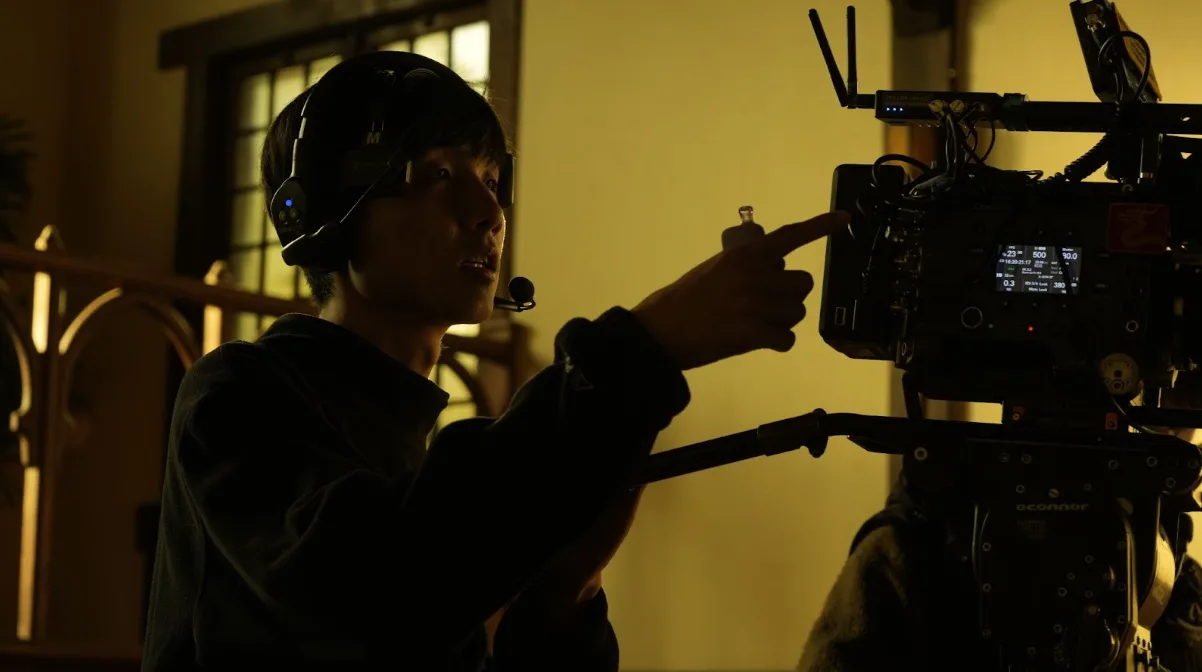
Navigating the Business Side: Financing and Professional Positioning
For young filmmakers struggling with financing their projects, Qin offers practical advice rooted in his own experiences.
“There’s no simple, single path, but in my experience, a mix of school support, community partnerships, and personal investment can go a very long way,” he advises.
He shares that his recent U.S. short films—”Egg Man,” “Sonatina to Resonate,” and “On Wings of Song”—were funded through university grants, outside sponsors, and contributions from the director and himself.
These endeavours not only garnered awards and cash prizes, helping offset costs, but also opened doors to new future development opportunities.
“I always encourage young filmmakers to treat financing as a creative part of the process. Start small, be strategic, and don’t be afraid to invest in yourself. One strong project can build both artistic credibility and financial presence.”
Qin also underlines an often-overlooked aspect of the business side of filmmaking:
“the importance of long-term professional development—how you manage your credits, visibility, and relationships in a way that builds an established career, not just a single project.”
He highlights the early communication about usage rights, festival strategies, and proper crediting.
As Qin explains:
“Filmmaking is not just about creating, it’s about positioning that creation in a way that helps you thrive. That requires thinking like both an artist and to be a professional; something I continue to adapt with every project.”
As Shuang Qin continues to explore new experiences in film and television, his dedication to navigate into new innovative projects that push past the boundaries of visual storytelling remains constant. From the canvas of a smartphone screen to the grandeur of traditional cinema, Qin emphasises a cinematographer who not only adapts to evolve but actively moulds the future of how stories are told and experienced. His work and insights serves as a guide for a new generation ready to explore the dynamic possibilities of mobile-first filmmaking and beyond.
Follow Shuang Qin on Instagram at @Shuangcine and on IMDB.







