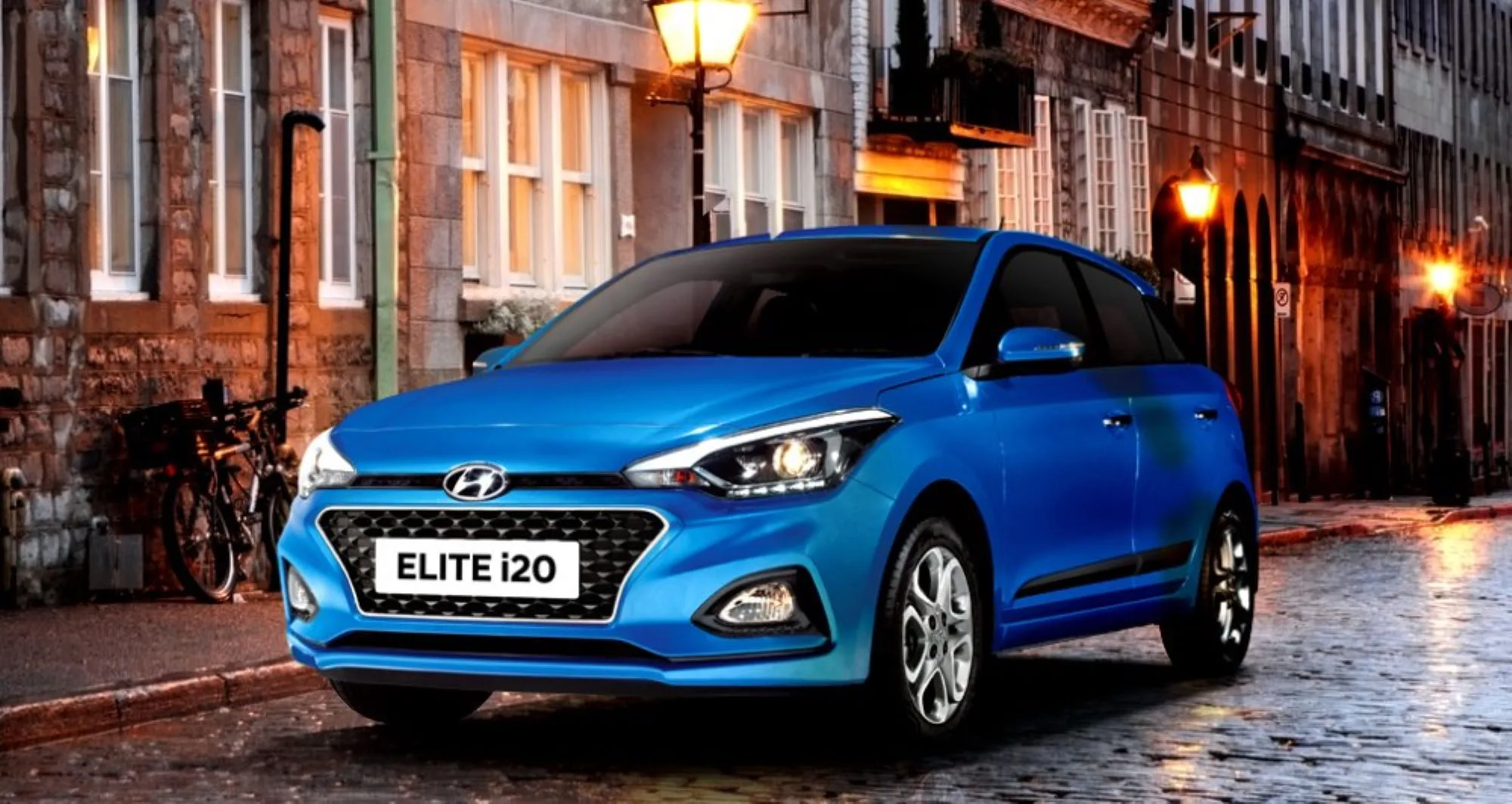

The Hyundai i20 is a popular car, known for its reliability and affordability. However, like any vehicle, it can develop some common issues over time. Below, we’ll explore some of the more frequent problems Hyundai i20 owners encounter, along with the potential costs involved in fixing them.
Steering and Handling Issues
One of the more common complaints about the Hyundai i20 relates to its steering and suspension system. Drivers have reported that the steering can feel too light, which may reduce the overall driving experience, particularly at higher speeds. Additionally, wear and tear on the suspension can lead to reduced comfort and control, resulting in a bumpy ride.
Cost to Fix: Replacing parts of the suspension system can range from £200 to £800, depending on the severity of the issue and whether original parts are used.
Starting Problems
Starting issues are a common frustration for Hyundai i20 owners, often linked to the car’s battery or ignition system. Sometimes, it’s as simple as a dead battery, but it can also indicate problems with the alternator or the key itself. In some cases, a replacement key might be necessary. Fortunately, many dealerships and service providers offer Hyundai key replacement services, though it can still cause significant delays.
Cost to Fix: Battery replacement can cost between £80 and £250, while key replacement services may range from £120 to £300, depending on whether you opt for a dealership or third-party service.

Engine Issues
The engine is the heart of any car, and unfortunately, the Hyundai i20 has been reported to develop various engine-related problems. Common issues include overheating, oil leaks, and poor fuel efficiency. These problems may arise from worn gaskets, a failing cooling system, or clogged filters. While Hyundai engines are generally reliable, regular maintenance is essential to avoid costly repairs.
Cost to Fix: Engine repairs vary widely. Simple fixes, such as replacing filters or gaskets, may cost around £80, but more extensive engine work could set you back £650 or more.
Transmission Problems
Another frequent issue with the Hyundai i20 is related to the transmission. Owners have reported problems with the automatic transmission not shifting smoothly or even slipping gears. These problems can result from low transmission fluid or wear and tear on the clutch in manual models.
Cost to Fix: Transmission repair or fluid replacement could range from £160 to £800, depending on the severity of the problem.

Electrical Issues
Electrical problems are not uncommon in the Hyundai i20. Owners have noted issues with the car’s lights, dashboard indicators, and occasionally the air conditioning system. These issues are often due to faulty wiring or blown fuses.
Cost to Fix: Electrical repairs can range from simple fixes like replacing a fuse for around £40 to more complex repairs costing upwards of £400.
Brake Problems
Some Hyundai i20 owners have reported issues with the braking system, such as squeaking sounds, brake pad wear, or even brake failure in extreme cases. These problems could be related to the brake pads, discs, or brake fluid system.
Cost to Fix: Brake pad replacements can cost around £80 to £200 per axle, while replacing the entire brake system could cost between £400 and £1,000.
Fuel Pump Failures
In some cases, the Hyundai i20 has experienced fuel pump failures, leading to stalling, difficulty starting, or a sudden loss of power while driving. This can be a serious issue, especially if it occurs unexpectedly.
Cost to Fix: Replacing the fuel pump usually costs between £320 and £500.
Exhaust System Issues
Exhaust system problems in the Hyundai i20, such as leaks or blockages, can reduce engine performance, cause strange noises, and in some cases, lead to failed emissions tests. These issues can be caused by rust, damage, or general wear and tear.
Cost to Fix: Depending on the damage, exhaust system repairs can cost between £120 and £400, while replacing the entire system might reach £800.
Air Conditioning Malfunctions
Some Hyundai i20 owners have reported that the air conditioning system either doesn’t cool effectively or stops working altogether. This issue could be caused by a refrigerant leak or a malfunctioning compressor.
Cost to Fix: Recharging the air conditioning system costs around £80 to £200, while replacing the compressor could cost between £400 and £1,000.
Rust and Corrosion
In older Hyundai i20 models, some owners have reported rusting around the doors, wheel arches, and undercarriage. This can weaken the car’s structural integrity and lead to expensive repairs if left untreated.
Cost to Fix: Rust treatment and prevention can cost between £160 and £500, depending on the affected area. Severe rust damage requiring bodywork could cost upwards of £800.
Conclusion
While the Hyundai i20 is generally a reliable vehicle, it’s important to be aware of the common problems that can arise as the car ages. Regular maintenance and timely repairs can help prevent more expensive issues in the long run. Whether you’re dealing with starting problems or more serious engine issues, it’s essential to budget for potential repairs to keep your Hyundai i20 running smoothly.